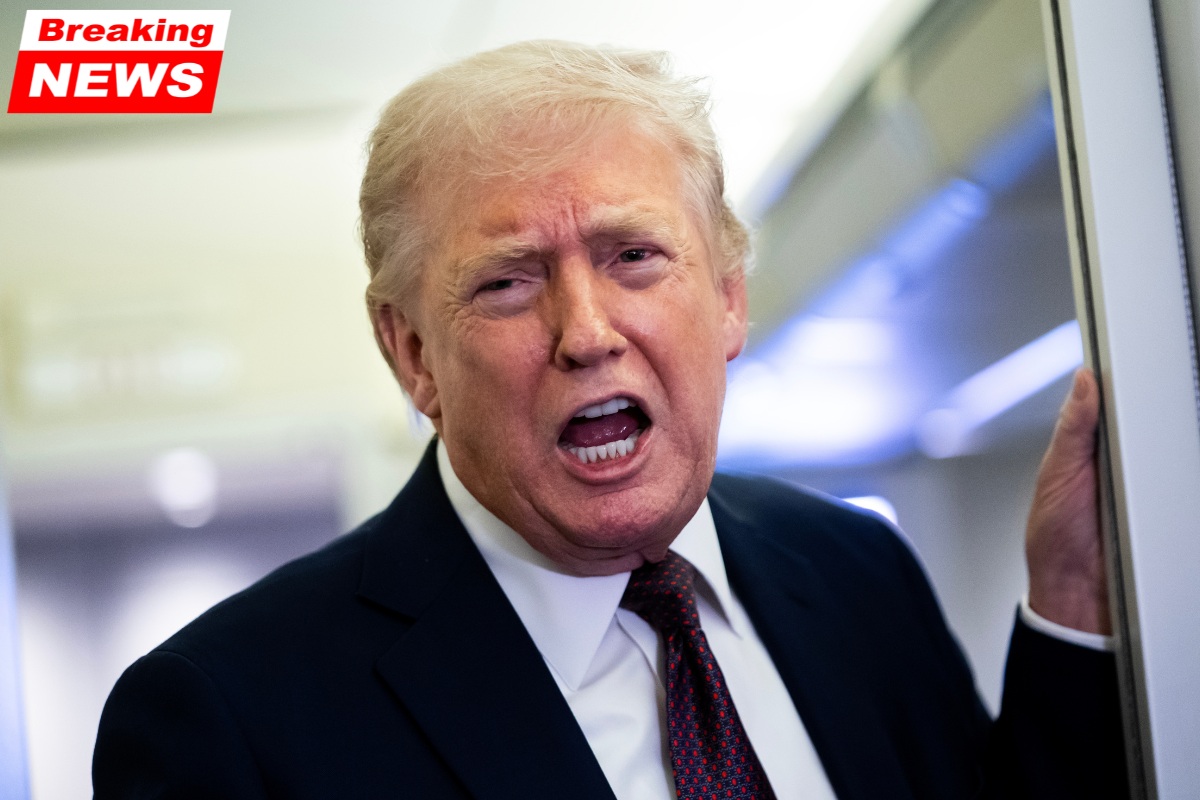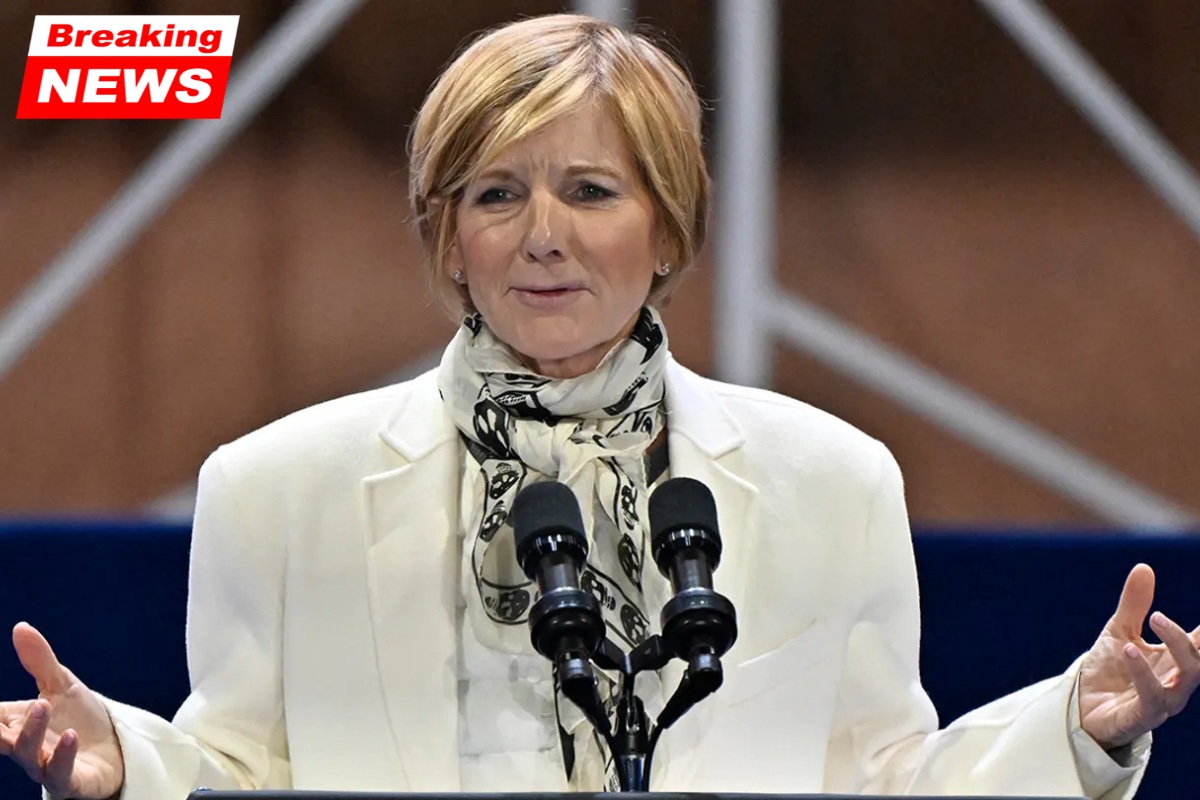
Nevada Representative Susie Lee sparked widespread backlash after posting an expletive-filled message targeting Donald Trump late at night on social media.
The post came in response to reports that Trump planned to attend oral arguments at the Supreme Court of the United States regarding his executive order on birthright citizenship.
Key Details at a Glance
| Aspect | Details |
|---|---|
| Politician | Susie Lee |
| Party | Democrat (Nevada) |
| Trigger | Trump attending Supreme Court arguments |
| Issue | Birthright citizenship debate |
| Action | Expletive-filled social media post |
| Outcome | Post deleted after backlash |
What Happened
Shortly before 1 a.m., Lee posted a strongly worded message criticizing Trump, using repeated profanity. The post quickly gained attention online, drawing sharp reactions across the political spectrum.
She later added a follow-up comment acknowledging her language, saying she had been using strong words more frequently in recent times.
By Wednesday morning, the post had been deleted without immediate explanation, as criticism continued to grow.
Lee’s Response After Backlash
After removing the post, Lee addressed the controversy with a more formal statement.
She said her reaction was driven by concerns over what she sees as threats to the Constitution and the principle of separation of powers. She emphasized that her oath of office compels her to defend these values.
Her response attempted to shift the focus from the tone of her message to the substance of her political concerns.
Political Context: Birthright Citizenship Debate
The controversy is tied to a broader legal and political battle over birthright citizenship.
Trump’s executive order seeks to end automatic citizenship for certain children born in the United States, challenging long-standing interpretations of the 14th Amendment to the United States Constitution.
Democrats, including Lee, have largely opposed this effort, arguing that the amendment clearly guarantees citizenship to anyone born on U.S. soil.
Trump, however, has argued that the amendment was originally intended to apply to formerly enslaved people and their children, not to individuals born to non-citizens or temporary residents.
Reactions From Critics
Lee’s post drew sharp criticism, particularly from conservative commentators.
Some questioned her judgment and professionalism, while others suggested the post was inappropriate for an elected official. Political groups also seized on the moment to criticize her publicly.
The National Republican Congressional Committee issued a statement condemning her remarks, arguing that deleting the post did not undo the damage.
Impact on Her Political Position
The controversy comes at a sensitive time for Lee politically.
She represents a competitive district in suburban Las Vegas, which Trump narrowly won in 2024. As a result, her seat is considered a key battleground for Republicans in upcoming elections.
Lee has previously positioned herself as a bipartisan lawmaker, and incidents like this could complicate that image.
At the same time, strong opposition to Trump remains a defining feature for many Democratic voters, creating a balancing act for politicians like Lee.
Why This Matters
This episode highlights how quickly political messaging can escalate in the digital age.
A single late-night post can:
- Trigger national media coverage
- Influence public perception
- Become a campaign issue
- Reinforce partisan divides
It also underscores the challenges politicians face in maintaining tone and discipline while addressing highly charged political issues.
Susie Lee’s social media outburst reflects the intensity of the current political climate, particularly around issues like birthright citizenship and constitutional interpretation.
While her comments were quickly deleted, the reaction shows how moments like these can carry lasting political consequences. As debates over immigration and constitutional law continue, both tone and substance will remain under close scrutiny.