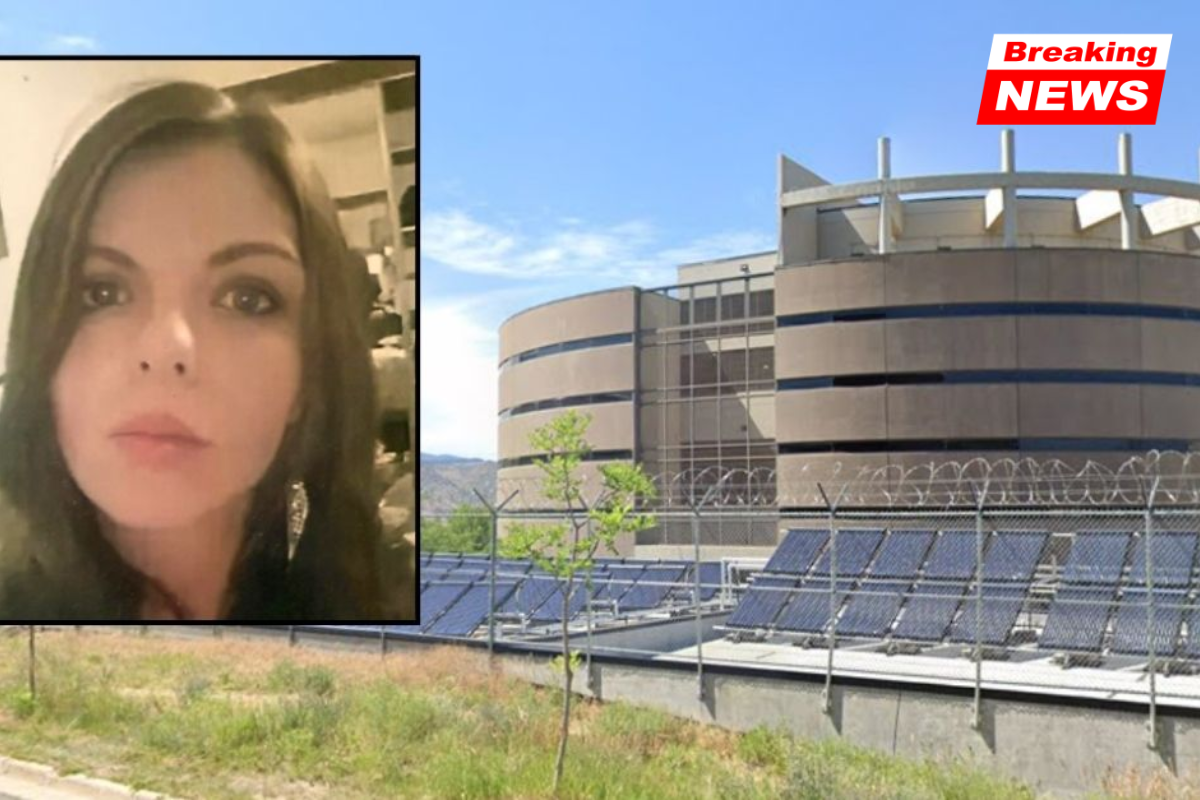
A heartbreaking case from Colorado has raised serious questions about medical care in jails after a woman suffering from a chronic illness died while in custody. Her family has now filed a lawsuit, claiming that her death could have been prevented if proper medical attention had been given on time.
Woman With Lupus Dies in Jail Custody
Courtney Tinker, a woman from Colorado who was living with lupus, died in March 2024 while being held at the Jefferson County Detention Facility. Lupus is a serious autoimmune disease that can affect different parts of the body, including the heart, lungs, and kidneys.
According to the lawsuit filed by her mother, Tinker was left alone in her jail cell despite showing clear signs of serious illness. The complaint claims that jail staff and medical providers failed to take her condition seriously.
What Led to Her Arrest
Deputies first found Tinker during a welfare check when she was discovered slumped over the steering wheel of her car. She reportedly told officers that she was struggling to breathe and had chest pain and weakness.
Even though these symptoms were serious, she was not taken to a major hospital immediately. Instead, she was taken to a smaller emergency facility for medical clearance.
After checking her records, deputies found that she had multiple failure-to-appear warrants, which led to her arrest and transfer to jail.
Concerns Over Medical Treatment
The lawsuit claims that Tinker should have been taken to a full-service hospital for proper care. Her attorney argues that the facility she was taken to did not provide the level of treatment needed for her condition.
It is also alleged that the medical staff failed to conduct proper tests, such as blood work or urine analysis, which could have helped identify a lupus flare or other serious issues.
Key concerns raised in the complaint include:
- Lack of proper diagnosis and treatment
- Failure to monitor her condition closely
- No emergency response despite worsening symptoms
- Poor communication between jail staff and medical teams
Health Condition Ignored in Jail
After being placed in jail on March 25, 2024, Tinker’s condition reportedly got worse over the next few days. She complained about feeling unwell, and signs like vomiting and weakness were noticed by staff.
However, the lawsuit claims that no action was taken. Deputies who saw her condition did not report it or request medical help, even though they had the authority to do so.
This delay in response is a major point in the case, as her family believes timely action could have saved her life.
Final Moments Before Death
On the morning of March 29, Tinker did not respond when a deputy tried to wake her. When staff checked on her, she was found lying unresponsive in her cell.
CPR was started only after attempts to wake her failed. She was then moved to another area while emergency services were called. Sadly, all efforts to revive her were unsuccessful.
She was later pronounced dead at a hospital.
Autopsy Findings and Official Response
An autopsy report stated that Tinker died due to natural causes, specifically hypertensive cardiovascular disease. However, it also noted other contributing health conditions, including:
- Lupus
- Chronic lung disease
- Alcohol use issues
- COVID-19 infection
Traces of fentanyl were also found, though officials said there was no evidence of recent use.
Authorities concluded that there was no criminal wrongdoing by law enforcement in her death.
Family Files Lawsuit Against Authorities
Despite the official findings, Tinker’s family strongly disagrees. Her mother and legal team argue that the system failed her at multiple levels.
The lawsuit points to several serious issues:
- Poor training of jail staff to handle medical emergencies
- Lack of proper monitoring of sick inmates
- Failure to escalate critical health situations
- Weak communication between departments
The family believes these failures directly led to her death.
Similar Cases Raise Bigger Concerns
This is not the only case linked to the Jefferson County jail. Reports suggest that at least three families have raised similar concerns about lack of medical care in the facility.
An attorney involved in these cases has described the jail as unsafe and lacking basic human care, calling attention to a pattern of neglect.