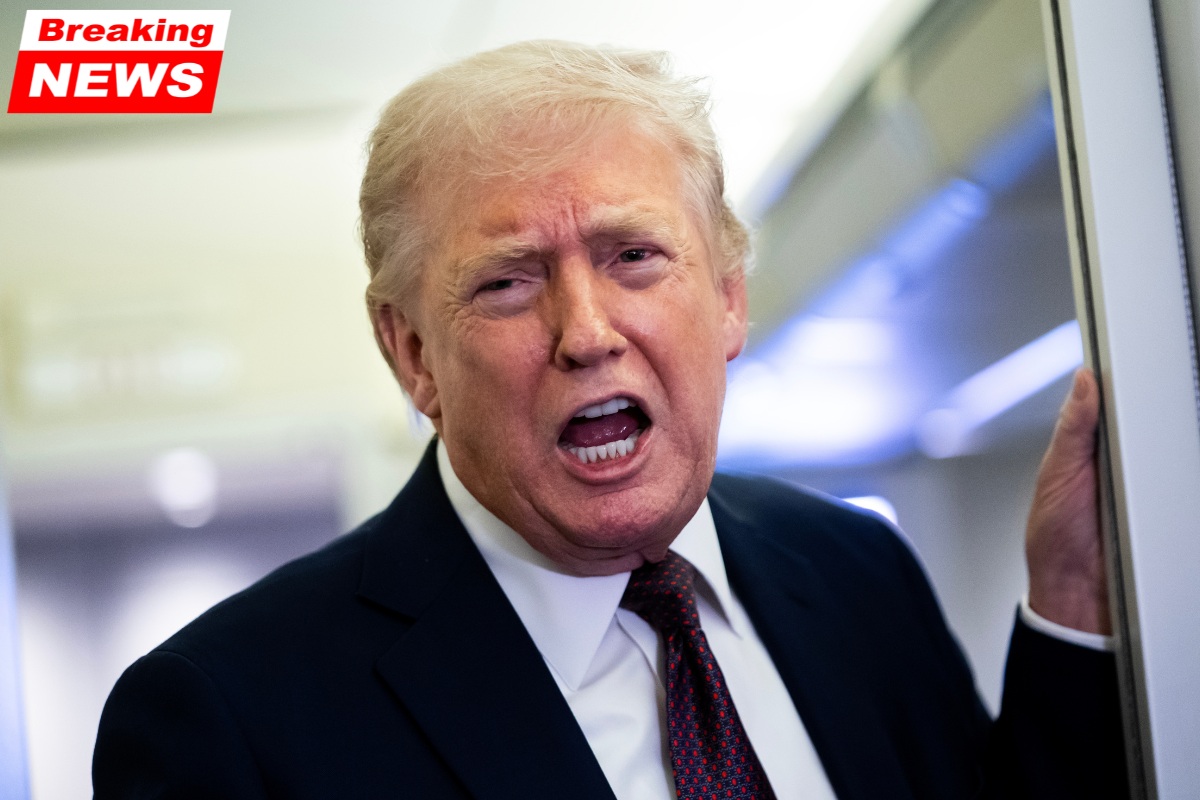
President Trump signed an executive order this week aimed at restricting mail-in voting — a move the White House says will tighten federal oversight but that voting-rights groups and several state officials argue would disenfranchise millions and almost certainly end up in court before the November midterms.
The order directs the Department of Homeland Security to build a verified, state-specific list of U.S. citizens eligible to receive mail and absentee ballots, using Social Security Administration data as a primary source, according to a White House fact sheet posted on whitehouse.gov.
The administration says the Attorney General should prioritize prosecutions against any actors who issue or distribute federal ballots to ineligible recipients, and it signals that federal funding could be withheld from states that don’t comply.
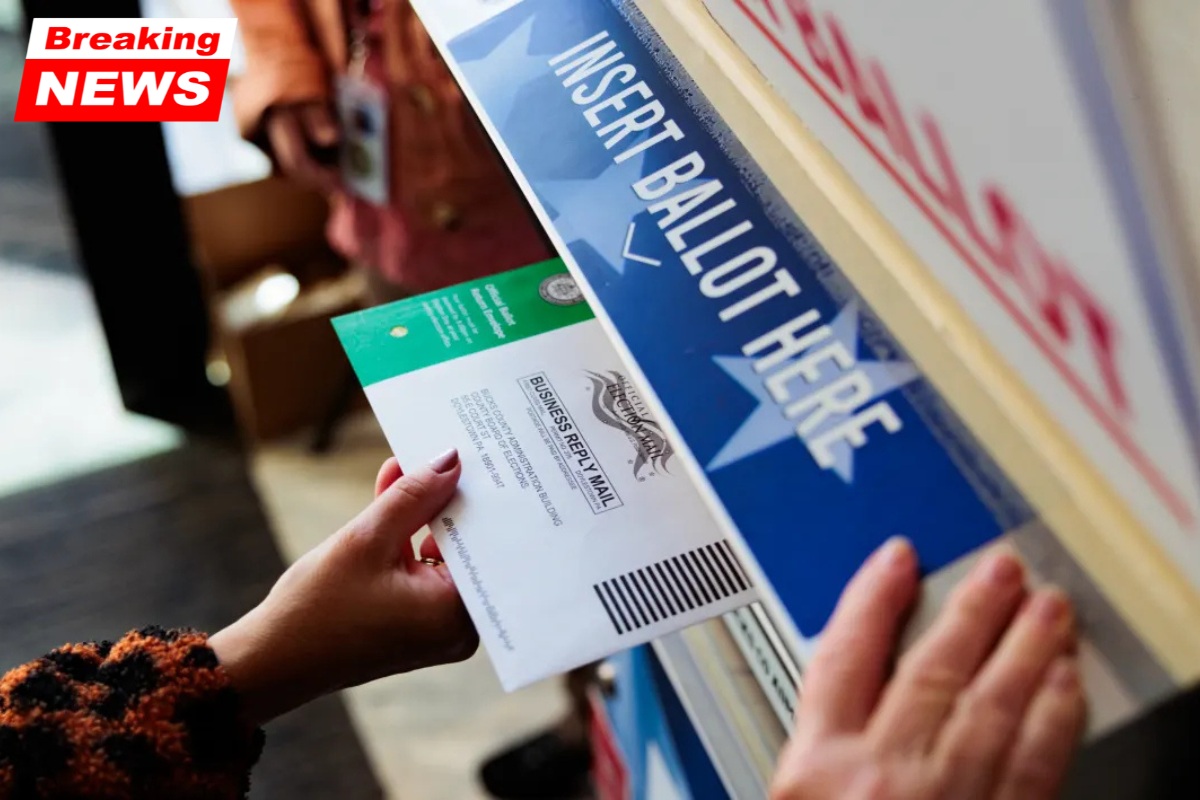
The Postal Service would be asked to transmit ballots only to names on the state lists and to add unique Intelligent Mail barcodes and secure, officially marked ballot envelopes, per the fact sheet and existing Postal Service guidance at usps.com.
What the order would do — at a glance
| Provision | Federal actor named | Practical effect described by the order |
|---|---|---|
| Compile state-specific list of eligible voters | DHS, using SSA data (ssa.gov) | States would receive a “Mail-in and Absentee Participation List” of verified names |
| Limit USPS transmission of ballots | USPS (usps.com) | USPS would send ballots only to those on the list and use trackable barcodes |
| Enforcement & prosecution | DOJ (justice.gov) | AG to prioritize election-related prosecutions; states could lose federal funds if noncompliant |
| Data source for verification | SSA (ssa.gov) | Social Security records to be used to confirm citizenship/eligibility |
The legal and political collision course
The Constitution vests primary authority over the conduct of elections with the states, though Congress can legislate in the area. Legal experts and multiple state attorneys general immediately signaled challenges.
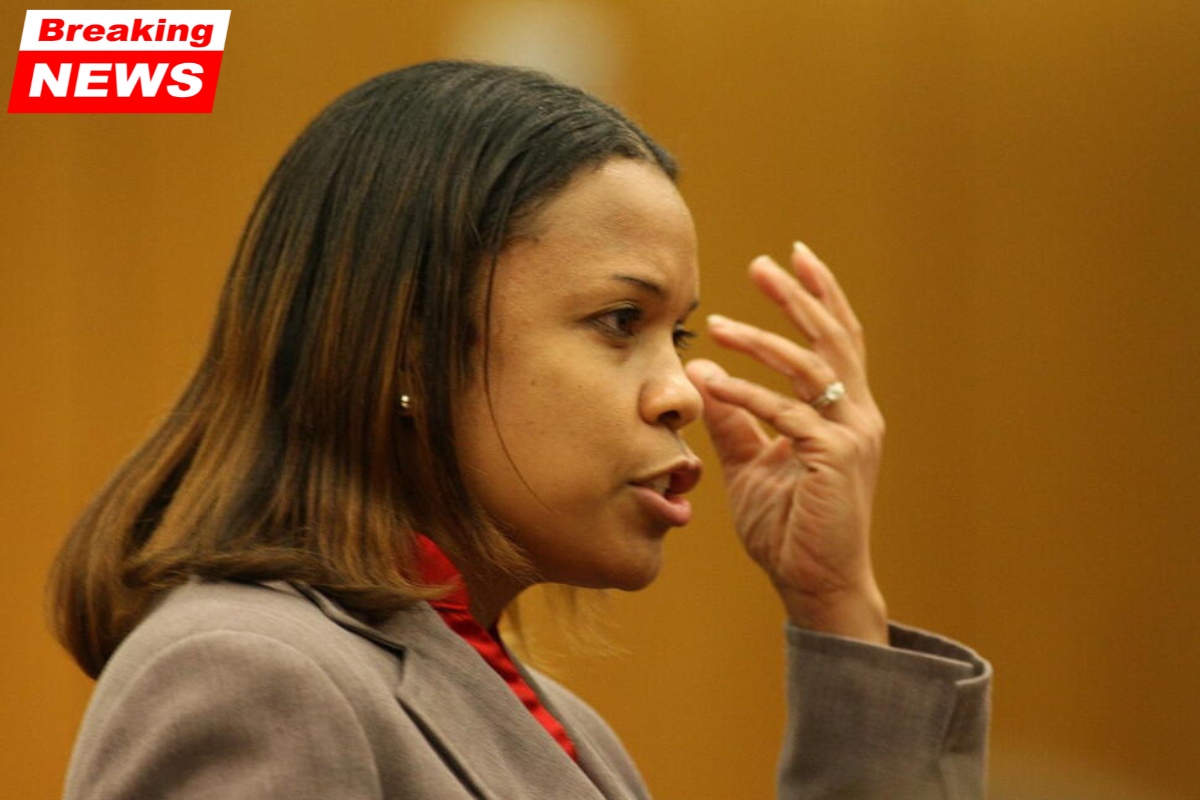
Massachusetts Attorney General Andrea Joy Campbell said her office would review the order and “take appropriate legal action to ensure that every eligible voter in Massachusetts can vote and have their vote counted.” Civil-rights groups, including the NAACP, called the order unconstitutional and vowed to contest it; NAACP President Derrick Johnson said the order “will not stand.”
Several practical and constitutional concerns are stacked against a rapid rollout. States administer voter rolls and ballot distribution; asking DHS to produce a federal list and requiring USPS to rely on it changes the bedrock administrative relationship between states and federal agencies.
Any dispute over separation of powers, data accuracy, or federal coercion through funding-withholding will likely produce injunctions that could prevent parts of the order from taking effect before the midterms.
Operational hurdles and risks for voters
Even if courts do not immediately block the order, the logistical demands are heavy. The Social Security database is not a ready-made voter-roll system: matching SSA records to state registration databases raises privacy, accuracy, and identification-matching problems.
Many eligible voters have records that differ across state systems and federal records — name changes, hyphenations, or mismatched addresses — and those discrepancies can lead to wrongful exclusion.
Requiring USPS to ship ballots only to names on a federal list risks delayed delivery, returned ballots, or disenfranchisement in states that currently send ballots broadly to registered voters or to every voter in certain jurisdictions.
That risk is what civil-rights advocates cite when they argue the plan would disproportionately affect communities with higher mobility, multi-address households, and historically underrepresented voters.
Political context and motivations
This is not a standalone development. The executive order follows persistent efforts by the President and allied lawmakers to limit mail-in voting since 2020, and it arrives amid congressional debate over the SAVE America Act, which would impose photo ID and citizenship-document requirements for voting.
House Republicans passed versions of the bill earlier this year; the Senate debated it but had not voted at the time of this report. The White House frames the order as a measure to protect “honest voting,” while opponents view it as a federal power grab with partisan intent.
What to watch next
- Lawsuits: multiple state attorneys general and civil-rights groups are likely to sue quickly; any preliminary injunctions could block enforcement before the midterms.
- Administrative guidance: DHS, SSA, USPS, and DOJ would need to publish implementation rules — watch for those notices and any emergency regulations.
- Congressional response: Congress can pass laws that either support or restrain the administration’s plan; timing is critical because the midterms are months away.
Claims that the order will immediately change how states run elections are incorrect; the Constitution gives states primary control over election administration, and courts routinely block federal action perceived as overreach.
Assertions that this order alone will disenfranchise specific numbers of voters are projections — though legal scholars and voting advocates warn the practical effects could be significant if implemented hastily or without robust error-correction.
The White House fact sheet (available on whitehouse.gov) states the administration’s intentions; critics point to legal and logistical obstacles that make immediate, nationwide implementation unlikely.
For context on federal/state roles in election administration, see guidance and historical materials from the Department of Homeland Security at dhs.gov and legal resources at the Department of Justice (justice.gov).
Wrap-up
The executive order puts a federal imprimatur on a longstanding partisan fight over mail-in voting and sets the stage for rapid litigation and political sparring ahead of the midterms. Whether it will change ballot delivery this November depends less on the text of the order than on how courts, states, and federal agencies respond in the weeks to come.