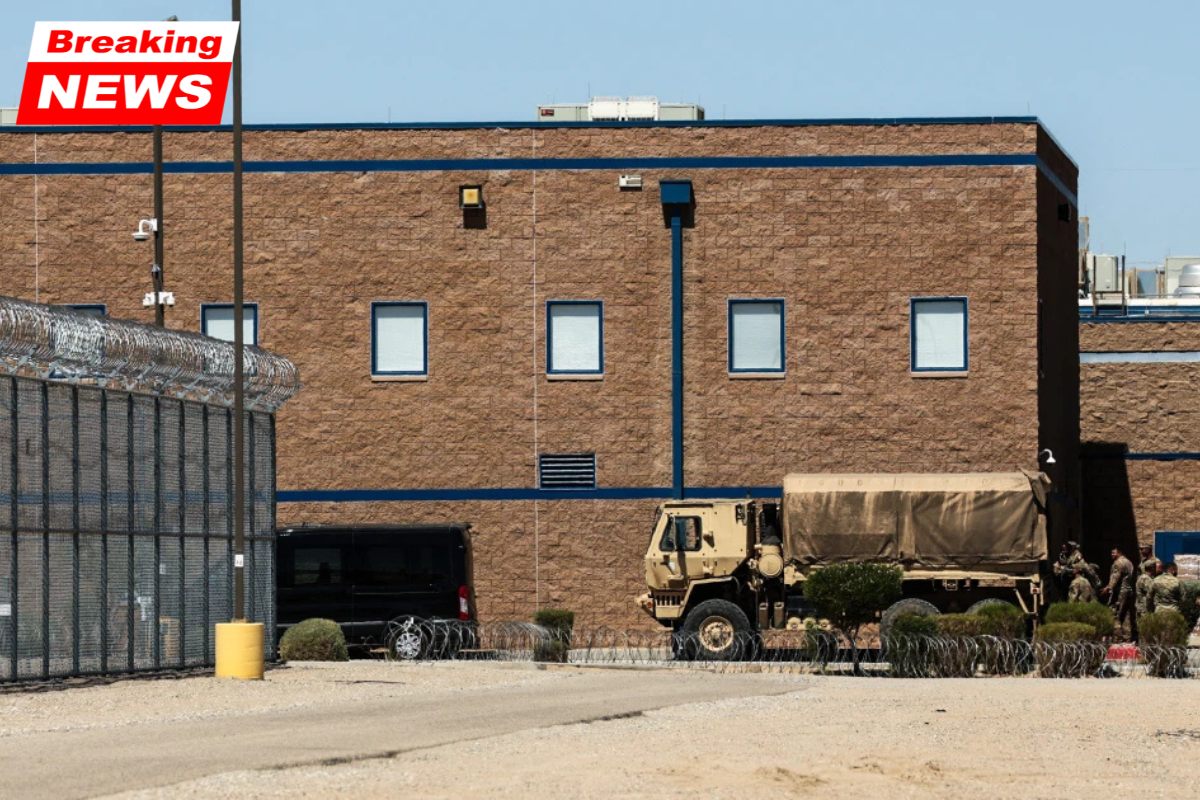
As of 2026, 14 individuals have died while in U.S. Immigration and Customs Enforcement (ICE) custody, including the recent case of a Mexican man found unresponsive at a detention facility outside Los Angeles. This raises concerns about the conditions in ICE holding centers, where overcrowding, disease outbreaks, and inadequate medical care have been persistent issues.
Recent Deaths and Custody Numbers
According to data from the Department of Homeland Security, the most recent death occurred on March 25, when Jose Guadalupe Ramos-Solano, a 36-year-old Mexican national, was found unresponsive in his bunk at a California detention facility. Despite attempts to revive him through CPR and life-saving procedures, he was later pronounced dead at a medical center.
As of mid-February 2026, ICE was holding more than 68,000 immigrants—one of the highest numbers ever recorded. This number fluctuates as individuals are deported and new detainees are taken into custody. The U.S. has seen a steady increase in deaths, with 33 reported in 2025 and 11 in 2024.
The Struggles of ICE Detention Centers
The rapid expansion of detention facilities, especially during the Trump administration’s focus on mass deportation, has led to significant issues with overcrowding and the spread of diseases. One notable example is the largest immigrant detention center at Fort Bliss, Texas, where a recent contractor change occurred just seven months after the facility’s opening.
This facility, known as Camp East Montana, has faced multiple challenges, including a fatal construction accident and multiple detainee deaths, including one homicide. The facility also experienced outbreaks of diseases like tuberculosis and measles.
Despite the troubling history of these centers, ICE has continued to maintain high detention numbers, contributing to the strain on resources and facilities. These conditions have raised significant questions about the treatment of detainees and the safety of those in ICE custody.
The Death of Ramos-Solano and Mexico’s Response
Jose Guadalupe Ramos-Solano, who had been detained by ICE since February 23, 2026, was undergoing routine medical care for his pre-existing conditions, including diabetes, hyperlipidemia, and hypertension.
He had been evaluated upon intake, and ICE provided him with daily medications. However, his cause of death has not been made public, and Homeland Security has not yet provided detailed information.
Mexico’s President Claudia Sheinbaum condemned the death and announced that her government would take stronger measures to protest the death of Ramos-Solano, particularly focusing on the Los Angeles area. She emphasized the need for action regarding the continued loss of Mexican lives in U.S. detention.
Content Summary Table
| Key Detail | Information |
|---|---|
| Total Deaths in ICE Custody (2026) | 14 deaths reported so far this year (2026) |
| Recent Death | Jose Guadalupe Ramos-Solano, found unresponsive at a facility in California on March 25, 2026 |
| Custody Numbers | More than 68,000 detainees held by ICE as of mid-February 2026 |
| Previous Years’ Deaths | 33 deaths in 2025, 11 deaths in 2024 |
| ICE Facility Issues | Overcrowding, disease outbreaks (tuberculosis, measles), and high death rates at detention centers |
| Ramos-Solano’s Health Conditions | Diagnosed with diabetes, hyperlipidemia, and hypertension, received routine medical care in custody |
| Mexico’s Response | President Claudia Sheinbaum announced measures to protest Ramos-Solano’s death, focusing on the Los Angeles region |
| Cause of Death | Cause not immediately made public, Homeland Security has not responded to questions |
The Broader Implications and Ongoing Challenges
As the Trump administration shifted its deportation strategy to prioritize the arrest and deportation of immigrants with criminal records, such as Ramos-Solano, the strain on ICE facilities has only worsened. The fatalities, alongside the persistent overcrowding and health-related issues, point to deeper systemic challenges within the immigration detention system.
Despite the reported efforts to improve conditions at some facilities, detainees continue to face dangerous living environments, and the question of accountability remains unresolved. The impact of these deaths extends beyond the individuals involved, as they spark ongoing debates over the morality and effectiveness of mass immigration detention in the United States.