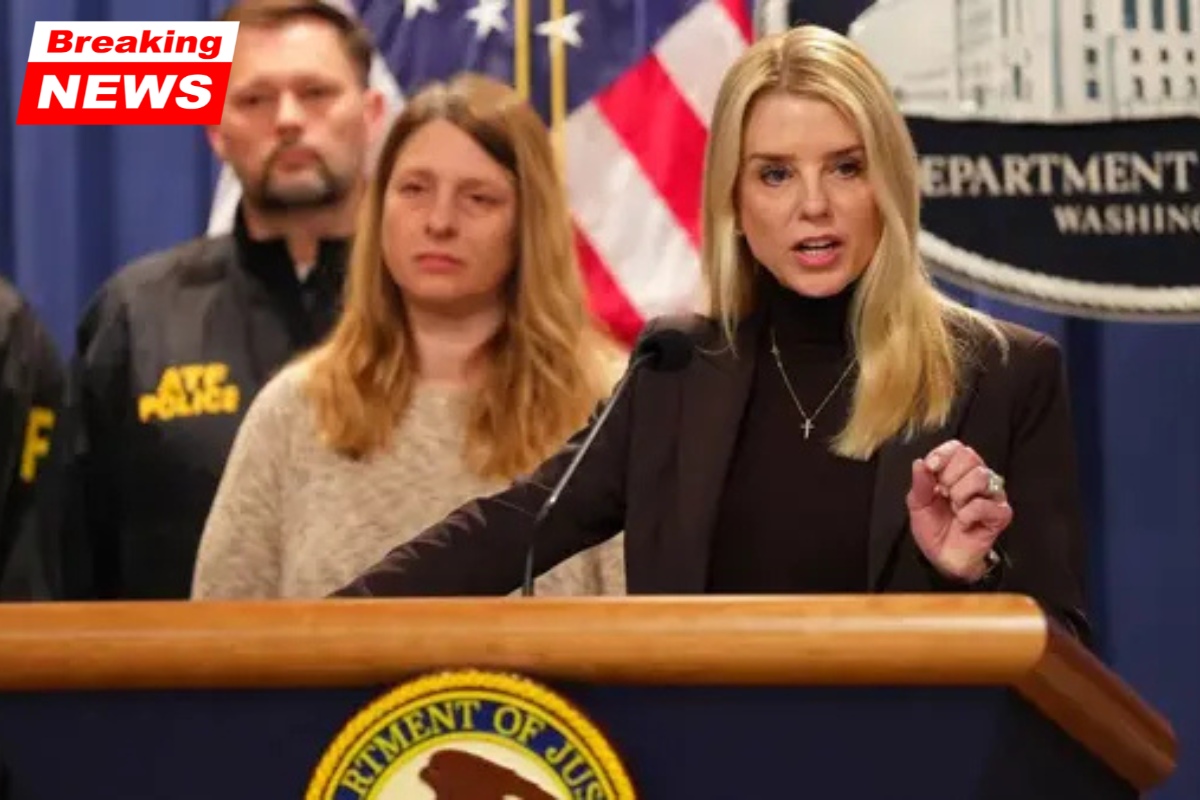
U.S. Attorney General Pam Bondi has sparked significant controversy following her remarks that U.S. citizenship is a “privilege, not a right”, especially in the context of denaturalization cases. Bondi made these comments during a Fox News interview, defending the Trump administration’s efforts to revoke citizenship from individuals who were found to have lied on their applications or concealed crimes.
Bondi’s Controversial Statement on Citizenship
Bondi’s statements came after the Department of Justice moved forward with the denaturalization of two individuals, a process by which someone’s U.S. citizenship is revoked. In the interview, Bondi said:
- “Being a citizen in our country is a privilege, not a right. And President Donald Trump is going to have everyone in this country who deserves to be here, who is a citizen.”
She later doubled down on her comments in a post on X (formerly Twitter), writing:
- “American citizenship is a sacred privilege — not a cheap status that can be obtained dishonestly.”
- “Today’s denaturalization actions reflect this Department of Justice’s ongoing efforts to strip citizenship from people who conceal crimes or defraud the American people during the immigration process.”
Backlash: Framing Rights as “Privileges”
Bondi’s framing of citizenship as a privilege has drawn strong backlash, particularly because U.S. citizenship is widely recognized as a constitutional right. The 14th Amendment of the U.S. Constitution explicitly states:
- “All persons born or naturalized in the United States, and subject to the jurisdiction thereof, are citizens of the United States.”
This passage ensures that U.S. citizenship is not contingent on a privilege that can be easily revoked but is instead protected as a fundamental right. Critics of Bondi’s statements argue that calling citizenship a privilege opens the door for arbitrary stripping of constitutional protections, which could potentially undermine the stability and security of all citizens.
Public Outcry and Comparisons to Historical Precedents
The reaction to Bondi’s remarks has been swift and intense, especially on social media platform X. Many users pointed out the danger of framing basic rights as privileges, with some even drawing comparisons to the revocation of citizenship for Jewish people in Nazi Germany.
Such comparisons reflect fears that denaturalization could be used as a tool of discrimination or persecution against certain groups of people.
The Broader Context: Trump’s Citizenship Policies
Bondi’s comments come amidst a broader push by the Trump administration to tighten immigration policies and redefine what it means to be a U.S. citizen. One major development in this regard was Trump’s executive order signed on January 20, 2025, titled “Protecting the Meaning and Value of American Citizenship.” This order directed federal agencies to stop recognizing citizenship for some children born on U.S. soil if neither parent is a U.S. citizen or lawful permanent resident.
- The executive order is already facing significant legal challenges. Lower courts have blocked the policy, stating that it violates the 14th Amendment and federal law. The U.S. Supreme Court is set to hear arguments on the issue, making it one of the most significant upcoming rulings on citizenship rights in recent history.
Denaturalization: A Rare but Growing Tool
Historically, denaturalization has been a rare occurrence in the United States. Approximately 11 cases of denaturalization occur each year, and it is typically reserved for situations where individuals have committed fraud or concealed important information during the naturalization process.
The current administration is pushing to make denaturalization a more frequent and standard procedure, leading many to worry about the implications for those who might be wrongfully targeted or discriminated against under broader interpretations of the law.
The Future of Citizenship in the U.S.
The push to redefine citizenship and the denaturalization process marks a significant shift in U.S. immigration policy. Critics, including civil rights organizations, argue that these measures undermine the foundations of American democracy, particularly the principle that citizenship is an inalienable right tied to the 14th Amendment, not a privilege to be granted or revoked by the government at will.
As legal challenges to both the executive order and the denaturalization quotas continue to unfold, these issues are likely to dominate political debates leading up to the 2026 elections. The outcome of these legal battles could have far-reaching consequences for the future of immigration law and citizenship rights in the United States.