A legal battle involving major law firms and the U.S. government is drawing attention after a sudden shift in position by the Department of Justice. At the centre of the dispute are executive orders issued by Donald Trump and claims that they may violate constitutional rights.
What the case is about
The law firm WilmerHale has asked a federal appeals court to block actions taken against it under an executive order.
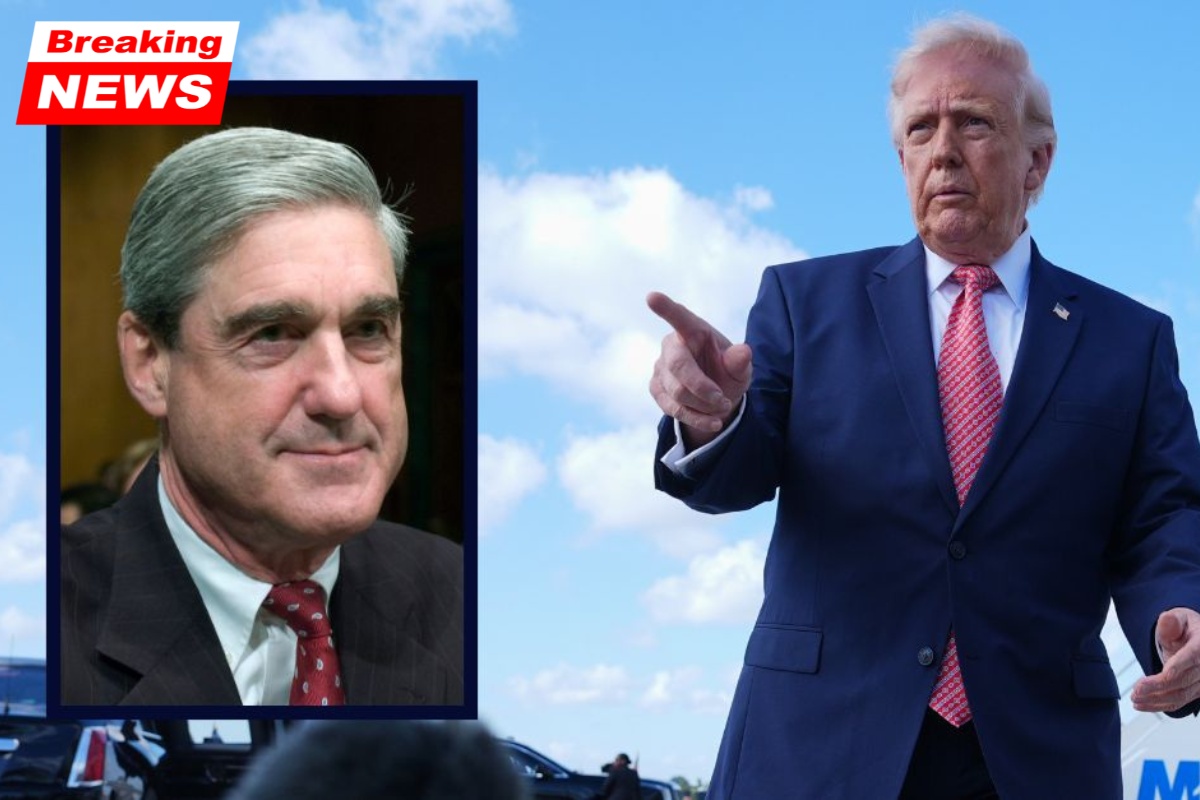
The firm argues that the order was not truly about national security, as claimed, but instead aimed at punishing it for political reasons — specifically its past association with Robert Mueller.
Mueller, who led the investigation into Russian interference in the 2016 election, later returned to work at WilmerHale.
Why the executive order is controversial
The executive order, known as “Addressing Risk of WilmerHale,” placed restrictions on the firm, including potential impacts on security clearances and government contracts.
WilmerHale claims:
- The order targeted the firm for its political views
- It punished the firm for hiring Mueller after his government role
- It violated First Amendment rights, including freedom of association
The firm described the measures as “draconian” and said they were clearly meant as retaliation.
DOJ’s sudden reversal
Earlier, the Department of Justice had appeared ready to stop defending these executive orders in court.
However, the government later reversed its position and decided to continue the legal fight. This unexpected move has added more complexity to the case.
Role of other law firms
The issue has also affected several other major law firms, including:
- Paul Weiss
- Jenner & Block
- Perkins Coie
- Susman Godfrey
Some firms reportedly reached settlements with the administration, offering large amounts of free legal services in exchange for avoiding penalties.
WilmerHale argued that this shows the policy was inconsistent and not genuinely based on national security concerns.
Argument about constitutional rights
In its court filing, WilmerHale strongly argued that the executive order violates basic constitutional protections.
The firm said:
- The government cannot punish a firm for its associations
- Political disagreement is not a valid reason for sanctions
- The First Amendment protects both speech and professional relationships
They urged the appeals court to uphold a lower court’s decision that had already blocked the order.
Background on Robert Mueller
Robert Mueller was a key figure in U.S. law enforcement.
He served as FBI Director and later led the investigation into Russian interference in the 2016 election. After completing his role, he returned to WilmerHale, which became a point of controversy in this case.
Why this case matters
This case raises important legal and political questions:
- Can a government penalise private firms based on political views?
- Where is the line between national security and political retaliation?
- How far do First Amendment protections extend in such cases?
It also reflects broader tensions between government authority and legal institutions.
What happens next
The case is now before the U.S. Court of Appeals for the D.C. Circuit, which will decide whether the executive order can stand.
Other law firms involved have also filed briefs supporting challenges to similar actions, suggesting that the outcome could have wide-reaching effects across the legal industry.
A major test of constitutional limits
This legal fight could set an important precedent for how far executive power can go when dealing with private organisations.
If the court sides with WilmerHale, it may reinforce protections around free speech and association. If not, it could expand the government’s ability to act against organisations it disagrees with.
As the case moves forward, it will remain a key example of how law, politics, and constitutional rights intersect in the United States.