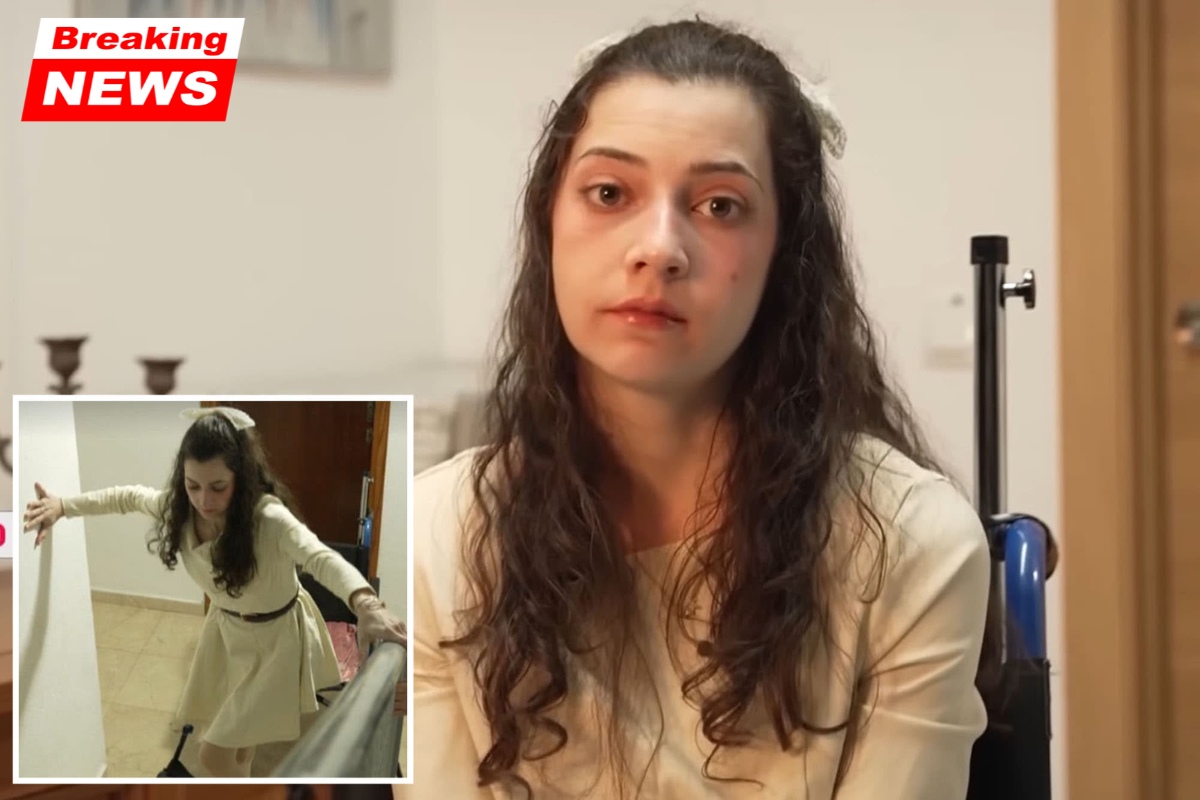
The story of Noelia Castillo Ramos from Barcelona has deeply shocked many people around the world. At just 25 years old, she made the difficult decision to end her life through euthanasia after years of pain, trauma, and suffering.
Her case has once again brought attention to mental health, s…xual violence, and the ongoing debate around euthanasia.
What Happened to Noelia Castillo Ramos?
Noelia went through extremely painful experiences in her life. She suffered two separate s…xual assaults, which affected her deeply both mentally and emotionally.
In 2022, while staying at a government care centre for vulnerable youth, she was gang-raped by three men. This incident left her traumatised and struggling to cope.
After this, she attempted suicide. Although she survived, the attempt caused a serious spinal cord injury, leaving her paralysed from the waist down. She also lived with constant physical pain.
Doctors later described her condition as:
- Serious
- Long-term (chronic)
- Highly disabling
Because of this, she qualified under Spain’s euthanasia law.
Her Decision to Choose Euthanasia
In her final interview, Noelia said she simply wanted peace after years of suffering. She explained that the pain—both mental and physical—had become too much for her.
She said:
- She wanted to “leave in peace”
- Her suffering had gone on for years
- Her decision was about her own life, not others’ expectations
Even though her family did not agree, she stood firm in her choice.
Family’s Emotional Struggle
Noelia’s parents were completely against her decision. Her father even fought a legal battle to stop the procedure, arguing that her mental health affected her ability to decide clearly.
However, the European Court of Human Rights ruled that she had full mental capacity to make this decision.
Her mother, Yolanda, made a heartbreaking final appeal:
- She hoped her daughter would change her mind at the last moment
- She shared offers of financial help for new treatments
- She promised to support her no matter what
Despite this, Noelia chose to go ahead. Reports say she did not want her parents present during her final moments, though her mother said she would still stand by her.
What Is Euthanasia and Why Is It Controversial?
Euthanasia means ending a person’s life intentionally to relieve pain and suffering. It is also called “assisted dying” or “mercy killing.”
In Spain, euthanasia became legal in 2021 for people who:
- Are adults (18+)
- Have serious or incurable conditions
- Experience unbearable suffering
However, this topic remains highly debated across the world.
Why Some People Support It
- People should have the right to choose how they die
- It allows a “dignified death”
- It can reduce long-term suffering
- Families don’t have to watch loved ones suffer
Why Some People Oppose It
- It may be misused or pressured
- Doctors’ role is to save lives, not end them
- Patients might change their decision later
- It may reduce focus on treatment and care
Because of these reasons, euthanasia laws are different in every country.
Legal Situation in Other Countries
In countries like the UK, euthanasia is still illegal under the Suicide Act 1961.
There are ongoing discussions to change the law, but no final decision has been made yet. Some patients even travel abroad to countries where euthanasia is legal.
A Larger Issue: Mental Health and Support
This case also highlights the importance of mental health care. Noelia was already dependent on Spain’s mental health system before the assaults happened.
Experts believe better support systems could help people:
- Recover from trauma
- Manage emotional pain
- Find hope even in difficult situations
It also shows how s…xual violence can have long-lasting and life-changing effects. The story of Noelia Castillo Ramos is deeply emotional and raises many serious questions. It is not just about euthanasia, but also about trauma, mental health, and the support systems around us. While some people believe she had the right to choose her own path, others feel more could have been done to help her live a better life.
Her parents’ pain also shows how such decisions affect families deeply. This case reminds us that behind every such decision is a human life full of struggle. It also highlights the urgent need for stronger mental health care, better protection against violence, and more compassionate support for those who are suffering.