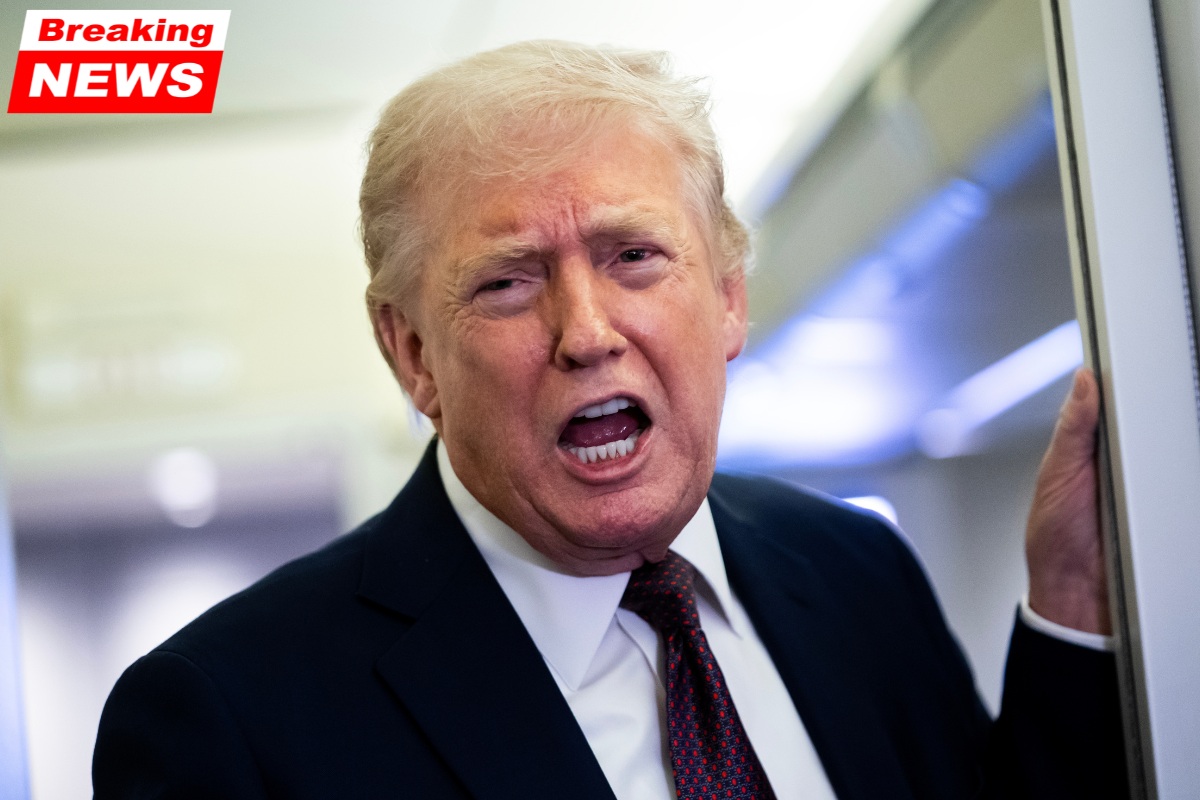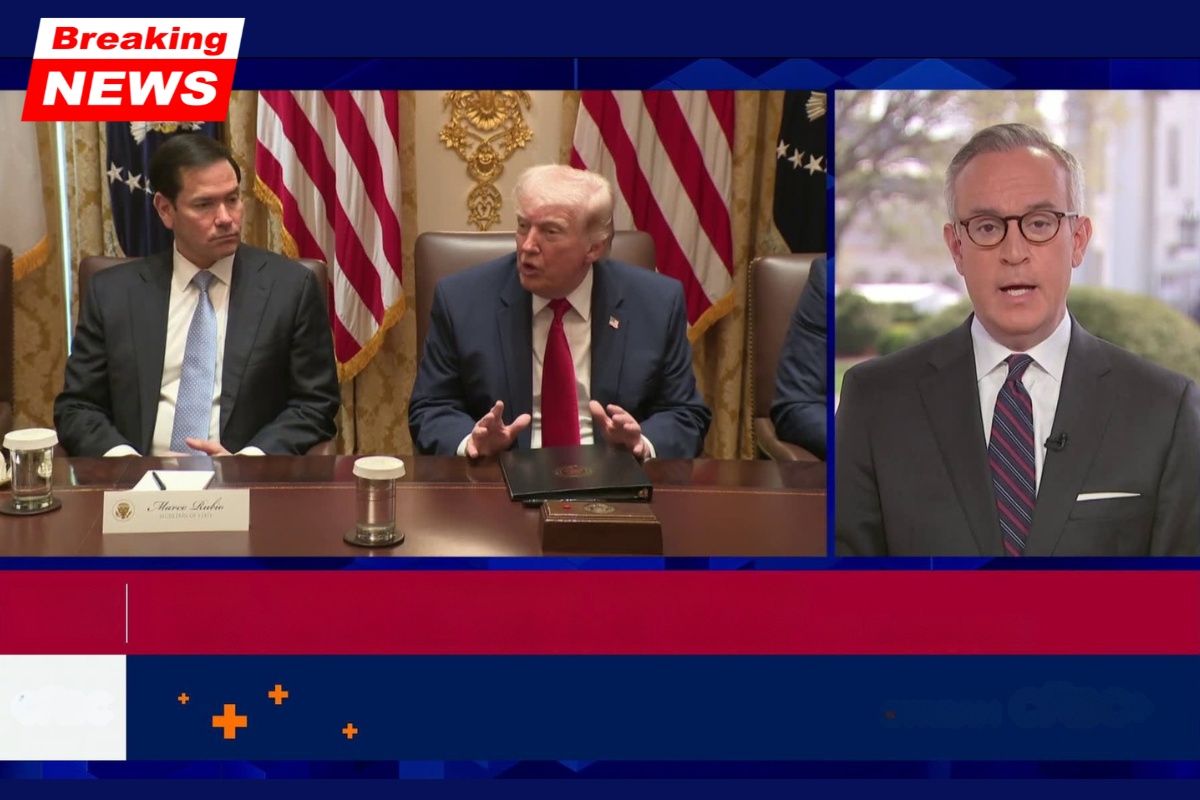
The recent statements by Donald Trump have created a lot of discussion around global oil trade and tensions in the Middle East. According to him, Iran allowed 10 oil tankers to safely pass through the Strait of Hormuz as a “gesture” or “present” to the United States. This claim came during a Cabinet meeting, where Trump explained the situation in detail.
He said that Iran first allowed eight oil tankers to pass and later added two more, making it a total of ten ships. Trump also mentioned that Iran had apologised for some earlier statements and wanted to show that they were serious about improving relations.
This announcement came after Trump earlier hinted at a “present” from Iran related to oil but did not give full details at that time. Now, his explanation has raised many questions globally, especially because Iran has denied having any direct talks with the United States.
What Did Trump Say About Talks With Iran?
During the meeting, Trump insisted that the US is having “very serious and important discussions” regarding Iran. However, Iran has clearly said that no direct talks have taken place between the two countries.
Steve Witkoff, who is involved in handling these discussions, added that there have been several indirect contacts. According to him:
- Different countries in the region are trying to help in peace talks
- A 15-point peace plan has been shared
- Pakistan is acting as a mediator between both sides
This shows that while direct communication may not be happening, efforts for peace are still ongoing through other channels.
Iran’s Response and Demands
Iran has not accepted the US proposal for a ceasefire. Instead, it has given its own conditions to stop the ongoing conflict. One of its major demands is control over the Strait of Hormuz.
This area is extremely important because:
- Around 20 million barrels of oil pass through it daily
- It carries nearly one-fourth of the world’s oil shipped by sea
- Any disruption here affects global oil prices
Due to the ongoing tensions, the strait has been almost closed for weeks, creating supply concerns, especially in Asia-Pacific countries.
Trump’s Idea for Joint Control
Interestingly, Trump suggested a unique idea earlier. He said that control of the strait could be shared between the US and Iran’s leadership. He even mentioned working together with Iran’s top religious authority as part of a peace solution.
However, this idea has not been accepted or confirmed by Iran.
Ongoing Conflict and Military Situation
Trump and his team, including US Defence officials, claimed that the US has already caused serious damage to Iran’s military power. He said the mission is progressing faster than expected.
But there is still a big challenge.
Iran still has the ability to:
- Block the Strait of Hormuz
- Attack ships passing through
- Create risks for global oil transport
Trump explained this clearly by saying even a small risk is dangerous. Even one missile hitting a ship can cause huge damage worth billions.
What Happens Next?
At present, the situation remains uncertain. While there are some signs of communication and possible cooperation, there are also strong disagreements.
On one side:
- The US is pushing for peace talks and agreements
- Other countries like Pakistan are trying to help
On the other side:
- Iran wants more control and different terms
- The conflict is still affecting global oil movement
Experts believe that what happens in the coming weeks will be very important for global markets and political stability. The situation between the United States and Iran is complex and still developing. While Donald Trump’s statement about Iran allowing oil tankers to pass sounds like a positive step, there is no clear confirmation from Iran’s side.
At the same time, both countries are indirectly communicating through mediators like Pakistan, which shows that efforts for peace are ongoing. However, major issues like control of the Strait of Hormuz and security concerns are still not solved.
Until both sides agree on common terms, uncertainty will continue. The world is closely watching these developments because they directly impact oil supply, global prices, and overall stability. A peaceful solution will not only benefit these two countries but also the global economy.