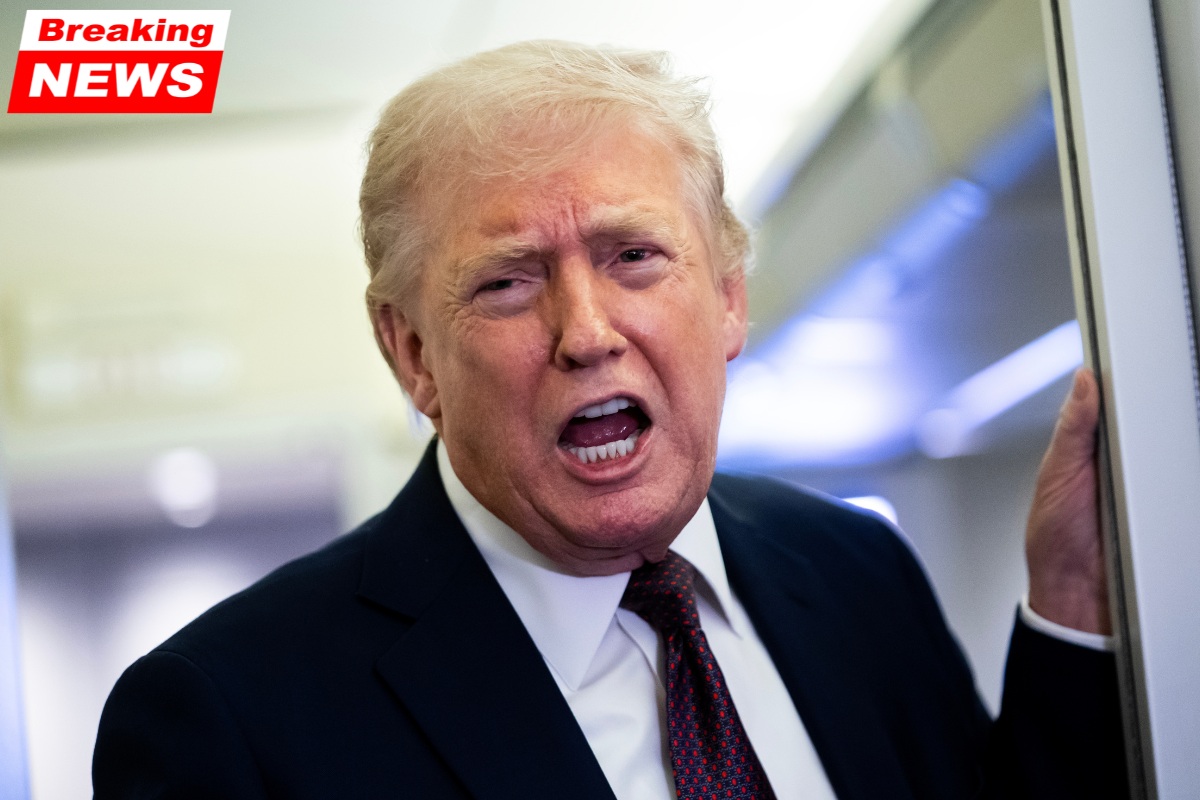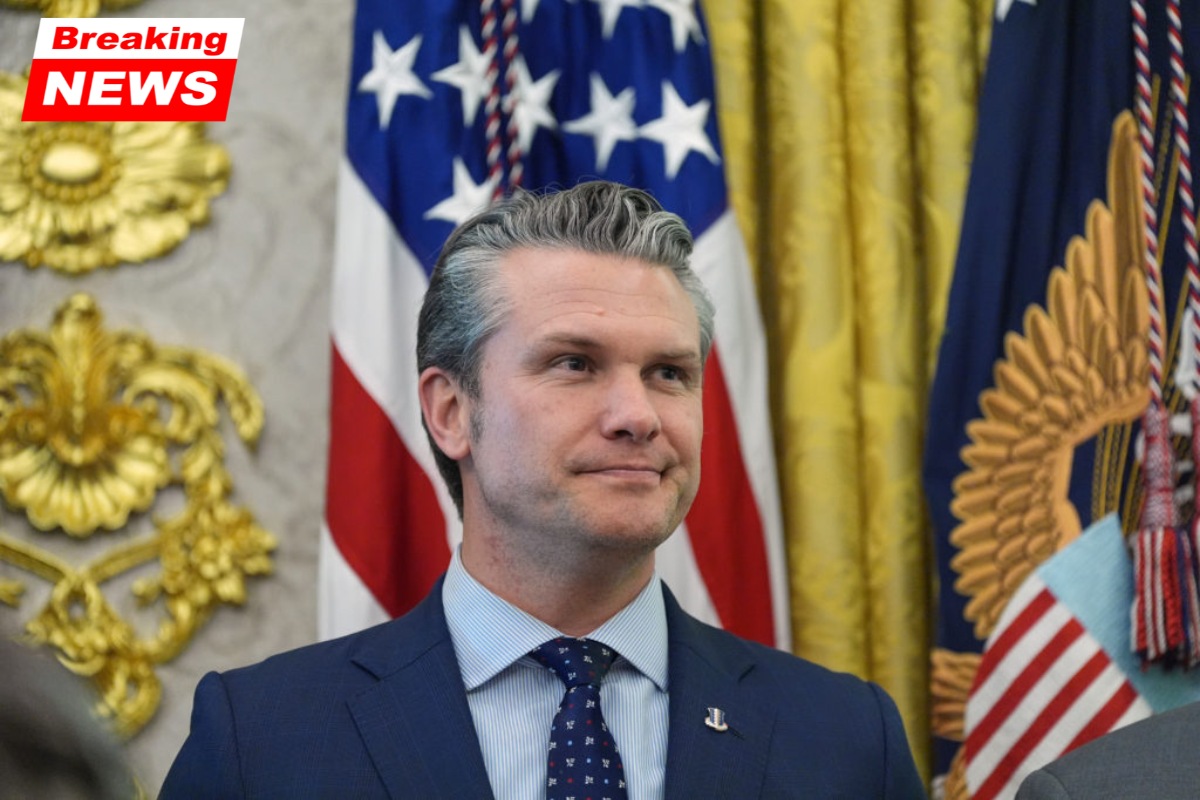
A recent Pentagon worship service led by Pete Hegseth has drawn national attention, raising questions about the role of religion in government and the military. The service, held during an ongoing period of global conflict, included a prayer asking that “every round find its mark,” prompting both support and criticism.
Details of the Prayer and Service
During the monthly Christian gathering at the Pentagon, Hegseth addressed civilian and military personnel, emphasizing the significance of faith during wartime. He recited a prayer reportedly shared with troops in a past operation involving Nicolás Maduro.
The prayer included strong language, asking for “overwhelming violence of action” against enemies and invoking divine support for military success. Hegseth also quoted biblical passages, reinforcing his message through explicit Christian references.
This level of specificity—particularly invoking Jesus Christ directly—has been noted by observers as a departure from more general religious expressions traditionally used in public office.
Growing Scrutiny Over Religious Language
Experts like Ronit Stahl have pointed out that while religion has long been present in U.S. military culture, explicitly Christian framing at this level of leadership is relatively new.
The United States Constitution prohibits the establishment of religion, which raises questions about how openly religious expressions by senior officials should be interpreted in a diverse military environment.
Historically, leaders such as Franklin D. Roosevelt supported religious practices like providing Bibles to troops, and George Washington helped establish the military chaplain corps. However, those examples are often cited as broader, more inclusive approaches to faith.
Legal Challenge and Advocacy Concerns
The situation has escalated into legal action. The organization Americans United for Separation of Church and State filed a lawsuit seeking records related to the Pentagon’s worship services.
The group argues that such events, even if technically voluntary, may create implicit pressure for federal employees to participate. According to its leadership, using government resources to promote a specific religion could violate constitutional boundaries.
Changes to Military Chaplaincy
Hegseth has also announced reforms aimed at reshaping the military chaplain corps. His proposals include:
- Shifting focus away from mental health support toward traditional religious guidance
- Removing rank insignia from chaplains’ uniforms
- Reducing recognized religious affiliations from over 200 to 31
These changes have raised additional concerns, especially given the religious diversity within the U.S. military. A 2019 congressional report found that while nearly 70% of troops identify as Christian, a significant portion belong to other faiths or no religion.
Faith, Leadership, and Public Response
Hegseth’s personal faith journey has played a visible role in his leadership style. Since 2025, he has hosted regular worship services and frequently speaks about Christianity in official settings. His supporters argue this reflects authentic belief and tradition, while critics worry about the implications for inclusivity and neutrality.
At the same time, figures like Doug Collins have participated in these services, reinforcing the evangelical tone of the gatherings.
Key Points Summary
| Topic | Details |
|---|---|
| Main issue | Prayer service led by Defense Secretary |
| Key person | Pete Hegseth |
| Concern | Mixing religion with government role |
| Legal action | Lawsuit filed by advocacy group |
| Chaplain changes | Fewer religions, more faith focus |
| Debate | Religious freedom vs government neutrality |
This situation has started an important discussion in the United States about the balance between personal faith and public duty. While leaders have the right to follow their beliefs, using official positions to promote a specific religion can raise serious concerns.
The military, which includes people from many different backgrounds, must remain fair and inclusive. As this debate continues, it will likely shape how religion is viewed in government spaces in the future.