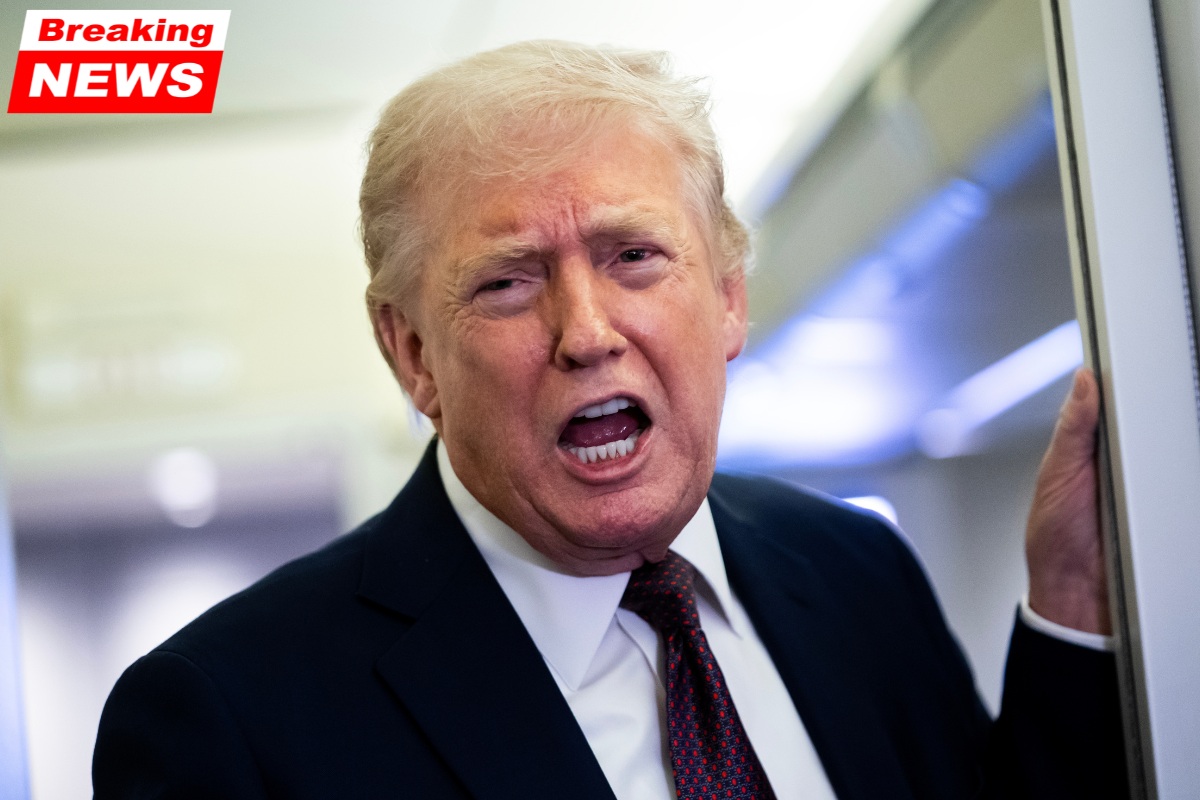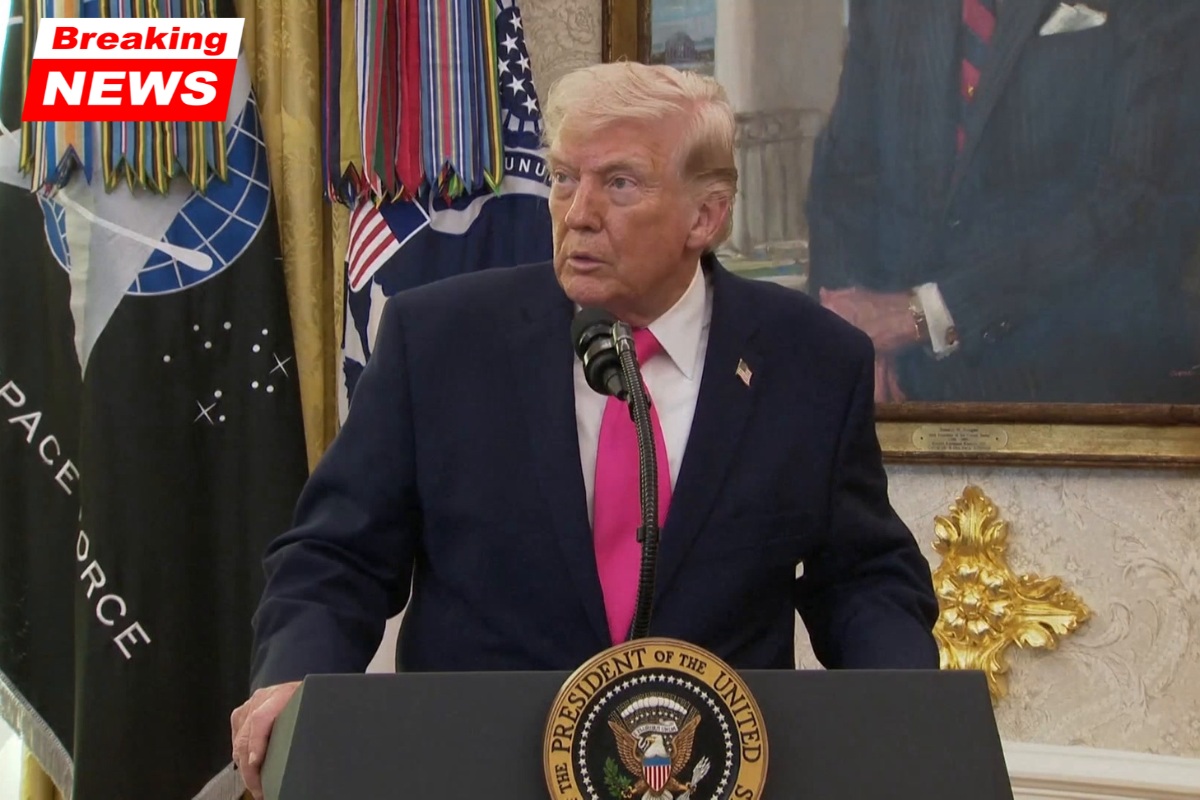
Oil prices have seen a significant drop following remarks by President Donald Trump indicating progress in U.S.-Iran negotiations. Trump’s comments suggested that Iran might agree to forgo nuclear weapons and that the Strait of Hormuz would remain open for non-hostile vessels.
Despite these optimistic developments, Iran has dismissed the reports of talks as “fake news,” raising doubts about the actual status of negotiations and the potential impact on oil prices and regional stability.
Content Overview
| Topic | Description |
|---|---|
| Oil Price Movement | Details on how oil prices reacted to Trump’s statements and the ongoing conflict. |
| Trump’s Remarks on Negotiations | Trump’s update on discussions with Iran and the role of diplomacy in ending the conflict. |
| Iran’s Response and Strait of Hormuz | Iran’s response to the U.S. claims and its stance on the Strait of Hormuz. |
| Regional Tensions and Stock Market Reactions | The impact of Middle Eastern tensions on global stock markets and energy prices. |
Oil Price Movement
Brent crude oil fell 5% to $99.29 a barrel, while U.S.-traded oil dropped more than 5.5% to $88.41 following President Trump’s update on the U.S.-Iran negotiations. The drop suggests that the market perceives negotiations as a signal that the risk of a prolonged oil supply disruption from the Strait of Hormuz may be easing.
Since the onset of the U.S.-Israel strikes on Iran in February 2026, energy prices had soared as Iran attempted to block the vital maritime route through which 20% of the world’s oil passes daily. However, Trump’s remarks about the ongoing peace talks have raised hopes of a diplomatic resolution, leading to a slight dip in oil prices.
Trump’s Remarks on Negotiations
In his comments on March 23, Trump stated that U.S.-Iran negotiations were ongoing, suggesting that the talks were progressing well. According to the president, the Iranian leadership is eager to reach a deal. Trump claimed that Iran has agreed to never develop nuclear weapons as part of the discussions.
Additionally, Trump suggested that the U.S. military would hold off on attacking Iran’s power plants, as originally planned, in favor of continuing the diplomatic dialogue. His optimism about reaching a deal was also linked to the U.S. military’s success in Operation Epic Fury, which had targeted Iranian missile sites and significantly weakened Iran’s ability to disrupt global shipping.
Despite Trump’s assertions, Iranian officials have denied the claims of ongoing negotiations. Foreign Ministry spokesman Esmail Baghaei dismissed the talks as “fake news” and questioned the credibility of U.S. diplomacy. Iran’s official stance remains hardline, especially considering the ongoing strikes between Iran and Israel, which show little sign of abating.
Iran’s Response and Strait of Hormuz
In a statement issued through its UN mission, Iran confirmed that “non-hostile vessels” could use the Strait of Hormuz under the condition that they coordinate with Iranian authorities. This declaration came after reports that some countries had negotiated safe passage for their vessels despite Tehran’s previous threats to target ships attempting to pass through the strait.
Iran emphasized that vessels would be allowed passage as long as they did not engage in or support actions against Iran, and that they adhered to Iran’s safety and security regulations. This decision marks a shift in Iran’s approach, which had previously involved blocking or attacking ships using the strait, significantly disrupting global oil markets.
Regional Tensions and Stock Market Reactions
The rising tensions in the Middle East have been reflected in global stock market movements. Following Trump’s optimistic remarks, stock exchanges in the Asia-Pacific region saw gains, with Japan’s Nikkei 225 and South Korea’s Kospi both rising more than 2%. Investors seemed hopeful that the conflict could ease, which also impacted oil prices, driving down the cost of crude.
However, the risk of continued volatility remains, especially given the ongoing Iran-Israel missile exchanges. Iran’s retaliatory missile strikes have targeted Israeli towns, including Dimona, home to a nuclear research facility, which has only escalated regional instability.
UAE and Saudi Arabia, both reliant on the Strait of Hormuz, have grown increasingly impatient with Iran’s actions. Saudi Foreign Minister Prince Faisal bin Farhan Al Saud warned that Saudi Arabia’s patience was “not unlimited” and took measures against Iranian military representatives.
Implications for the Global Economy
The potential resolution of the conflict, as suggested by Trump, could significantly ease the global oil crisis, which has had profound implications on the world economy. Shell CEO Wael Sawan warned that oil shortages could severely impact Europe in the coming months, while BlackRock’s Larry Fink cautioned that if oil prices hit $150 a barrel, it could trigger a global recession.
The rising cost of oil has already led to economic strain in many regions, and the uncertainty surrounding the Middle East conflict continues to weigh heavily on global markets. The U.S. and its allies are keen to restore shipping traffic and oil flow through the Strait of Hormuz, but the final resolution hinges on the success of ongoing negotiations and Iran’s willingness to engage in diplomatic talks.
Oil prices have fallen following President Trump’s update on U.S.-Iran negotiations, though the situation remains fluid. While the potential for a peaceful resolution to the conflict is growing, Iran’s hardline stance and continued military exchanges with Israel suggest that the region’s stability remains uncertain. The Strait of Hormuz continues to be a flashpoint, and the global oil market will be closely watching for further developments in the diplomatic process.