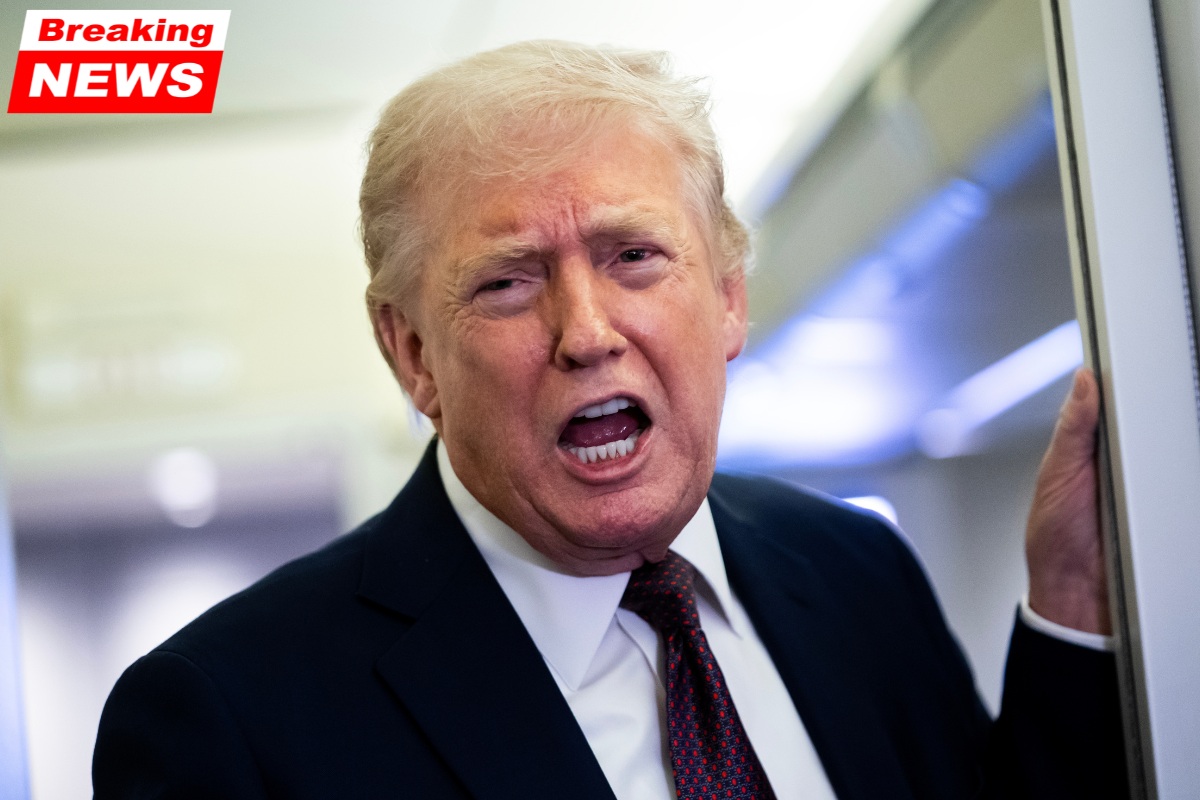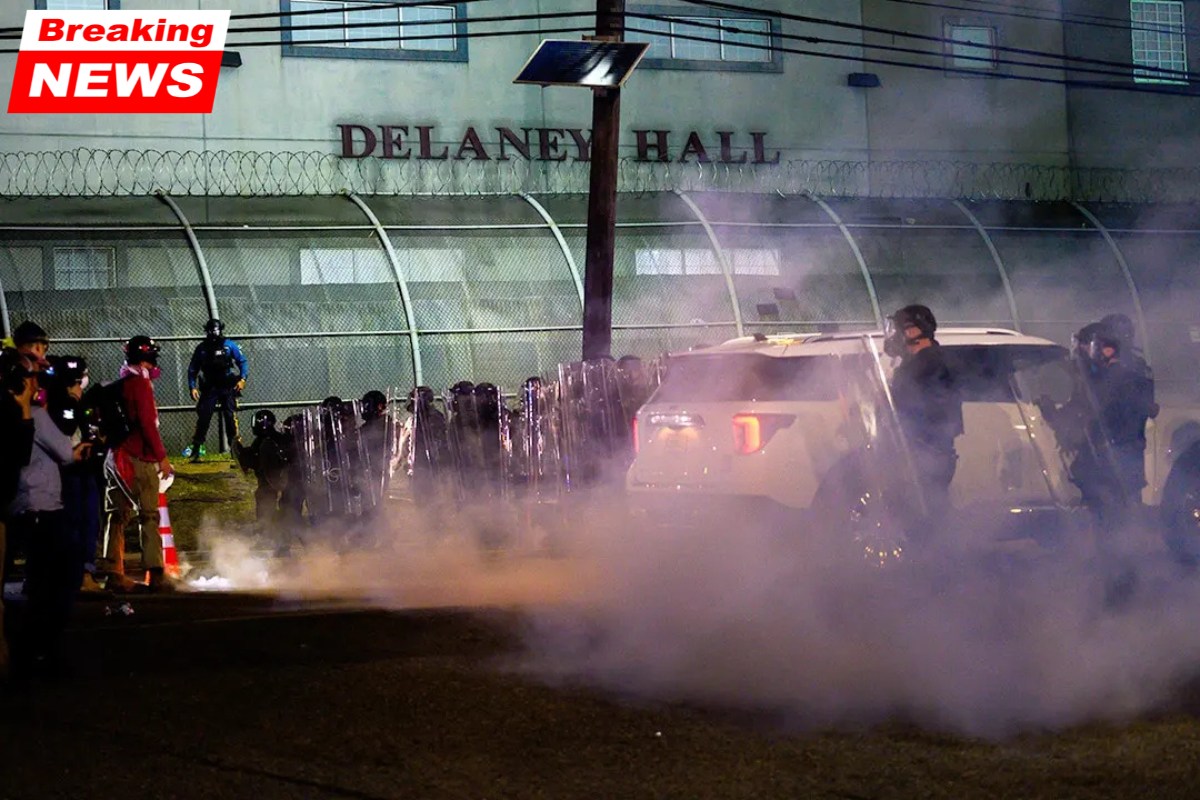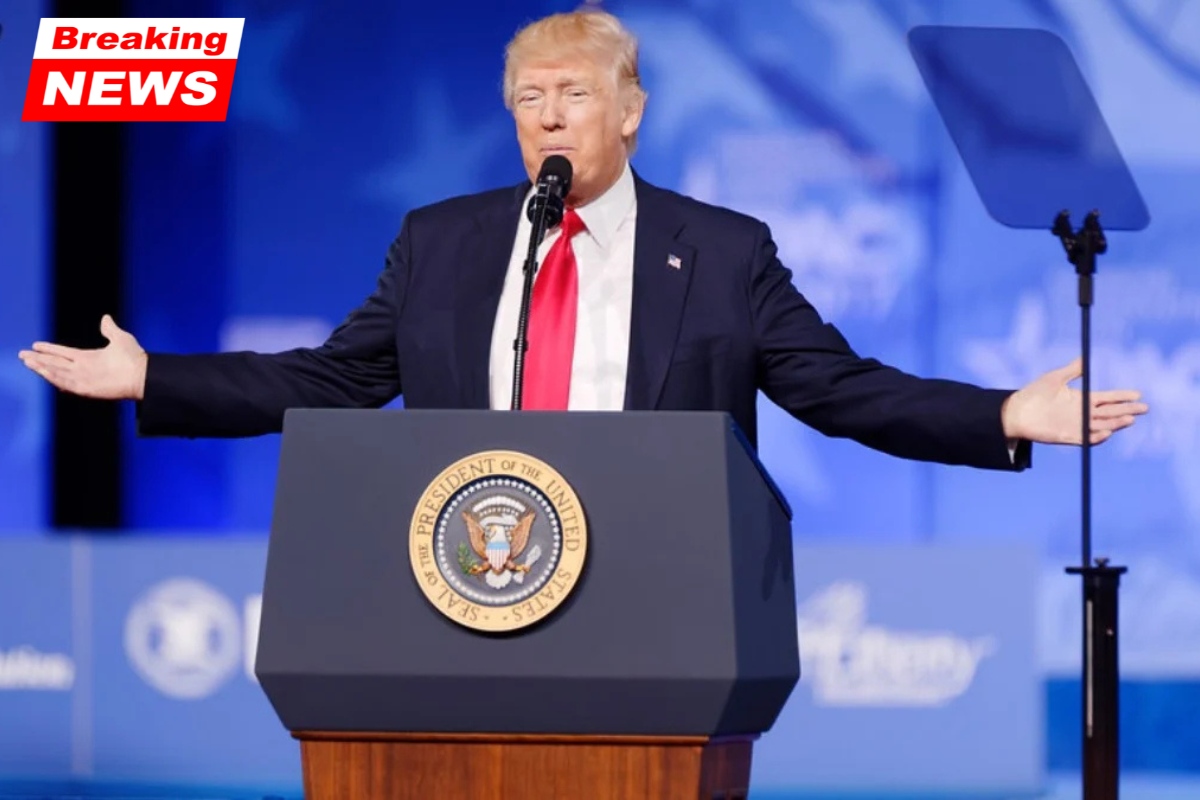
In response to rising tensions in the Middle East, President Donald Trump has ordered the deployment of 4,500 Marines and sailors to the region. The deployment, part of a larger military strategy, is aimed at securing the Strait of Hormuz, a vital global shipping lane, and countering Iranian provocations. Meanwhile, Trump issued a stark warning on social media, threatening to “obliterate” Iran’s power plants unless the Strait of Hormuz is “fully open, without threat” within 48 hours.
Content Overview
| Topic | Description |
|---|---|
| U.S. Military Deployment | Details on the deployment of Marines and the assets involved. |
| Trump’s Threat and Strategy | Trump’s warning to Iran regarding the Strait of Hormuz and potential military actions. |
| Iran’s Response and Regional Tensions | Iran’s threats of retaliation, including ballistic missile strikes and naval surprises. |
| U.S. Senators’ Concerns and Support | Reactions from U.S. senators on the escalation and the unclear objectives of the operation. |
| Securing the Strait of Hormuz | The challenges involved in restoring commercial traffic and the risks U.S. forces face. |
U.S. Military Deployment
The U.S. is sending 4,500 Marines and sailors to the Middle East, including an infantry battalion landing team supported by helicopters, F-35 fighter jets, and armored landing vehicles. The Pentagon fast-tracked the 11th Marine Expeditionary Unit from San Diego to the region in response to growing tensions, particularly in the Strait of Hormuz.
An Israeli official suggested that the primary mission of these forces may be to take Kharg Island, Iran’s main oil export hub, a strategic move that could disrupt Iran’s oil revenue and help secure the Strait.
Taking control of Kharg Island would help prevent Iran from leveraging the Strait of Hormuz for economic and military gain, providing a potential diplomatic exit for Trump’s administration while keeping the vital shipping lane open.
However, securing the Strait would be no simple task, as Iran’s military capabilities, including conventional weapons, small watercraft, and drones, pose a serious threat to shipping traffic.
Trump’s Threat and Strategy
In his statement, President Trump expressed optimism regarding ongoing U.S.-Iran discussions but emphasized that military action was still on the table. On Truth Social, Trump threatened to “hit and obliterate” Iran’s power plants unless the Strait of Hormuz is fully reopened within 48 hours.
This ultimatum underscores the high stakes of the U.S. mission, with Trump indicating that military force could be used to ensure the free flow of shipping and prevent Iran from blocking the Strait.
Trump framed the U.S. military’s actions as part of a broader strategy to pressure Iran and secure the Strait while maintaining diplomatic efforts to reach a peaceful resolution. The Pentagon has been targeting Iranian missile sites and small vessels to weaken Iran’s military infrastructure in the region, with the goal of restoring safe commercial traffic.
Iran’s Response and Regional Tensions
Iran has already made it clear that it will not back down without a fight. In response to U.S. threats, Iran issued warnings of “naval surprises” for the incoming U.S. forces. The Islamic Revolutionary Guard Corps (IRGC) has stated it is “impatiently waiting” for the U.S. Marines, promising a “close-up view of naval surprises.”
Iran also launched ballistic missiles targeting southern Israeli towns, including Dimona, which houses a nuclear research facility, injuring 115 people.
Iranian officials have framed these actions as retaliation for U.S.-Israel strikes on Iran’s nuclear sites, including Natanz. Additionally, Iranian state media warned Gulf states that they could “say goodbye to electricity” in the event of an attack on Iran’s oil and gas infrastructure.
Tensions have reached a boiling point, with Saudi Arabia and the UAE growing increasingly impatient with Iran’s actions. Saudi Foreign Minister Prince Faisal bin Farhan Al Saud warned that the kingdom’s patience is “not unlimited” and ordered Iranian military attachés to leave the country, signaling a potential shift in regional alliances.
U.S. Senators’ Concerns and Support
As the conflict intensifies, U.S. senators have raised concerns about the direction of the military campaign and the unclear objectives of the Trump administration. Senator Lisa Murkowski warned that sending ground troops to Iran would escalate the conflict to a “completely different level” and called for more transparency from the administration. Senator Thom Tillis expressed concern about the lack of clear objectives, describing the situation as a “real problem.”
On the other hand, Senator Lindsey Graham encouraged Trump to “keep it up for a few more weeks”, adding that the U.S. should take Kharg Island to cut off Iran’s oil revenue and “let this regime die on a vine.” Graham’s support reflects the hardline stance of some members of Congress who see the military action as a means to weaken the Iranian regime.
Securing the Strait of Hormuz
Securing the Strait of Hormuz will be an arduous and dangerous task for U.S. forces. The strait is a vital passage for global oil shipments, and Iran has used conventional weapons and asymmetrical tactics to disrupt shipping traffic. U.S. strikes have already targeted Iranian missile sites, but tanker traffic has not fully resumed, indicating that the conflict is far from over.
The presence of U.S. Marines and naval assets in the region signals a long-term U.S. commitment to securing the Strait, which could take weeks to fully restore. U.S. forces will have to contend with coastal defenses, submerged mines, and drones deployed by Iran to impede progress.
The deployment of U.S. Marines to the Middle East and the threats issued by President Trump mark a critical moment in the ongoing conflict between the U.S. and Iran. As military action ramps up, the focus remains on securing the Strait of Hormuz, a vital waterway for global trade and energy supplies. The situation is increasingly volatile, with Iran’s aggressive actions and regional tensions complicating efforts for peace.