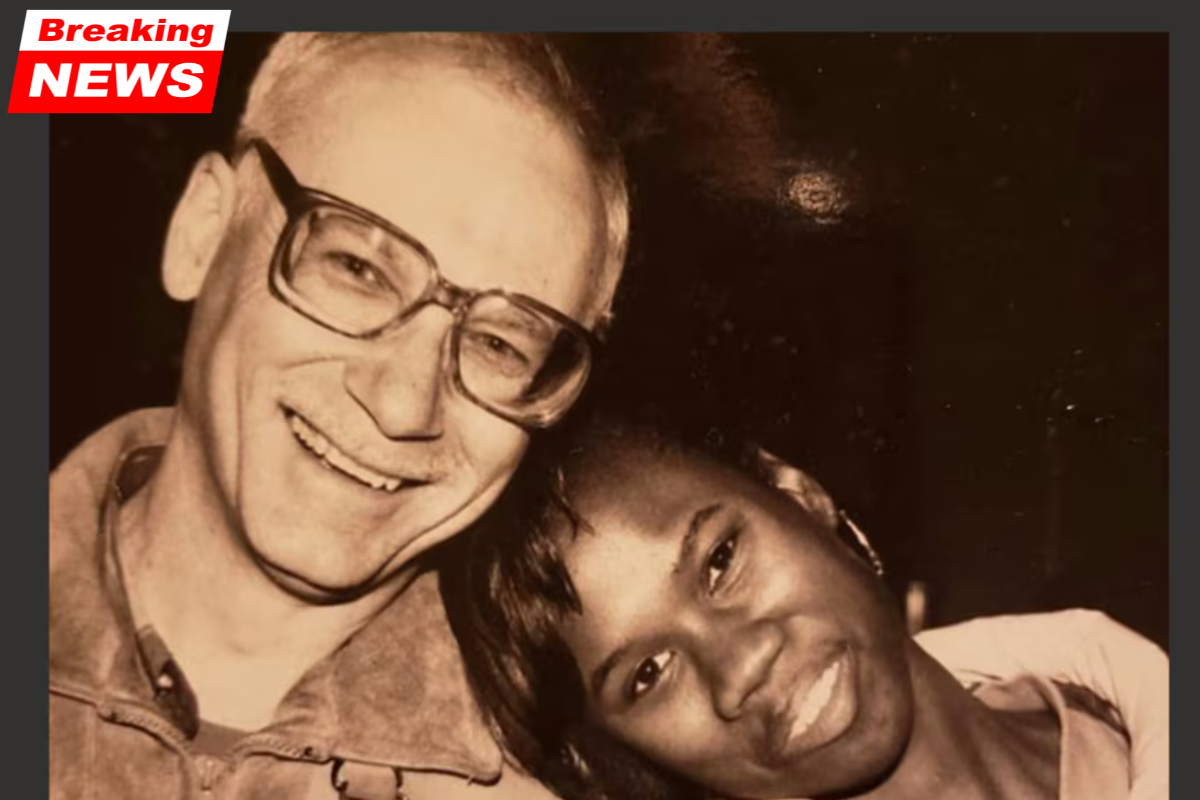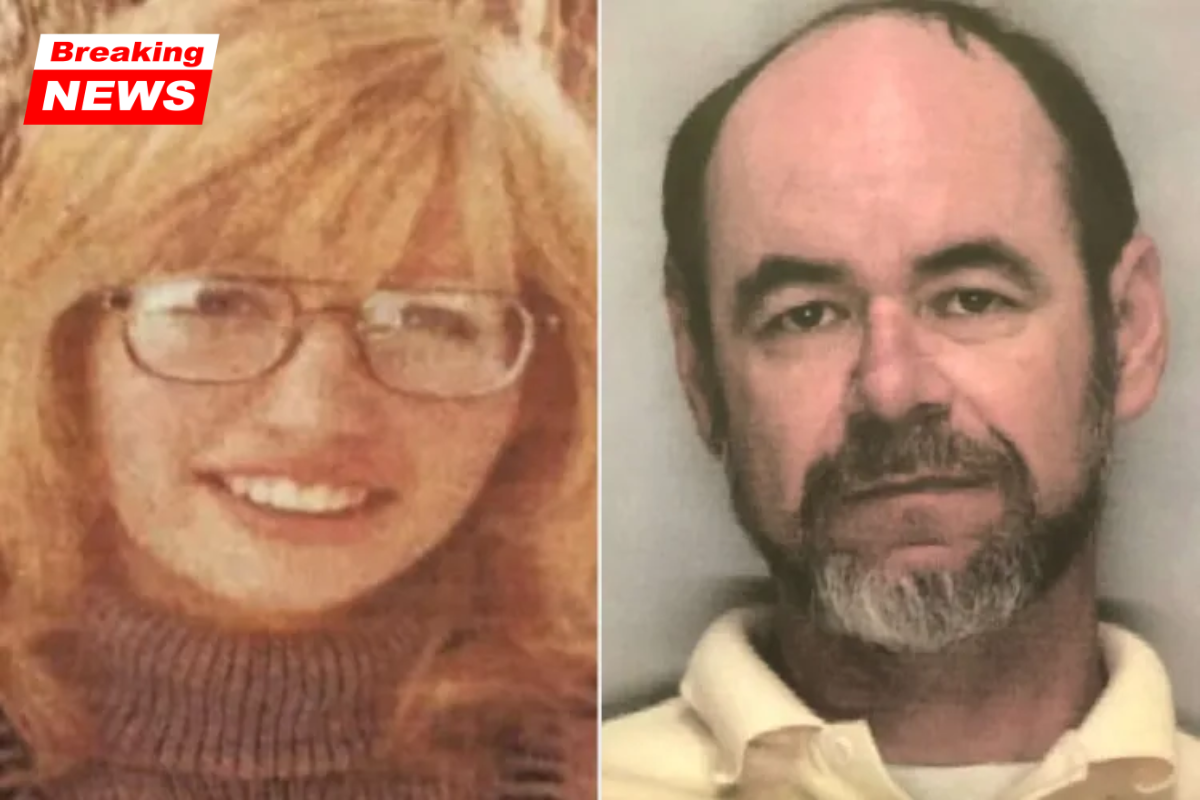
More than four decades after the brutal murder of 19-year-old Arlis Perry inside Stanford University’s Memorial Church, investigators have identified the man they believe is responsible for her death using DNA evidence. However, the alleged killer died by suicide as deputies arrived to arrest him.
The Murder of Arlis Perry
In October 1974, Arlis Perry, a 19-year-old newlywed from Bismarck, N.D., was found murdered inside Stanford University’s Memorial Church. She had moved to California just weeks earlier to be with her husband, a Stanford University sophomore. Perry had also recently begun working at a law firm in Palo Alto.
Witnesses reported seeing Perry inside the church shortly before it closed for the night. The church remained open late for students and visitors, with security guards responsible for locking it at closing time. Hours later, Perry’s body was discovered near the altar of the church’s east transept.
The Discovery and Investigation
When the night watchman opened the church at 5:45 a.m. on October 13, 1974, Perry’s body was found in a horrific state. Investigators determined she had been killed by a blow to the back of her head from an ice pick, which was still embedded in her skull. Perry was found naked from the waist down, sexually assaulted with a candlestick, and another candlestick had been pushed up her blouse.
The brutality of the crime shocked the community. The Rev. Robert Hammerton Kelley, then dean of Memorial Church, described the crime scene as “ritualistic and satanic.”
Initial Investigation and Evidence
At the crime scene, investigators collected several pieces of evidence, including semen found on a kneeling pillow near Perry’s body and a palm print left on one of the candles. However, forensic DNA testing had not yet been developed, and the evidence did not lead to any suspects during the initial investigation.
Breakthrough Using Modern Forensic Techniques
The case remained unsolved for decades, until investigators decided to reexamine the preserved evidence using modern forensic DNA techniques. In 2018, authorities announced that DNA recovered from Perry’s clothing matched Stephen Blake Crawford, a former Palo Alto police officer and the Stanford security guard who had reported finding Perry’s body.
Crawford’s Past and Death by Suicide
Crawford had previously been arrested in an unrelated case involving stolen items from Stanford, including a human skull and a blank diploma. When deputies arrived at Crawford’s San Jose apartment with a search warrant, they made verbal contact through the closed door before entering to find him holding a handgun. Deputies backed away, and moments later, they heard a gunshot. When they reentered, they found Crawford with a self-inflicted gunshot wound and he was pronounced dead at the scene.
Family’s Reaction to the Long-Awaited Closure
Arlis Perry’s sister, Karen Barnes, expressed the family’s feelings upon hearing the news decades later: “After all these years, it’s about time.” The family had waited for justice for more than 40 years.