NEW YORK, March 18 — President Donald Trump and his allies are intensifying their criticism of news organizations for their coverage of the ongoing Iran war, a conflict the administration claims is going well for the United States. Despite this, the war remains unpopular with the public, has led to significant loss of life, and contributed to instability in the Middle East.
Trump’s Rhetoric Against the Media
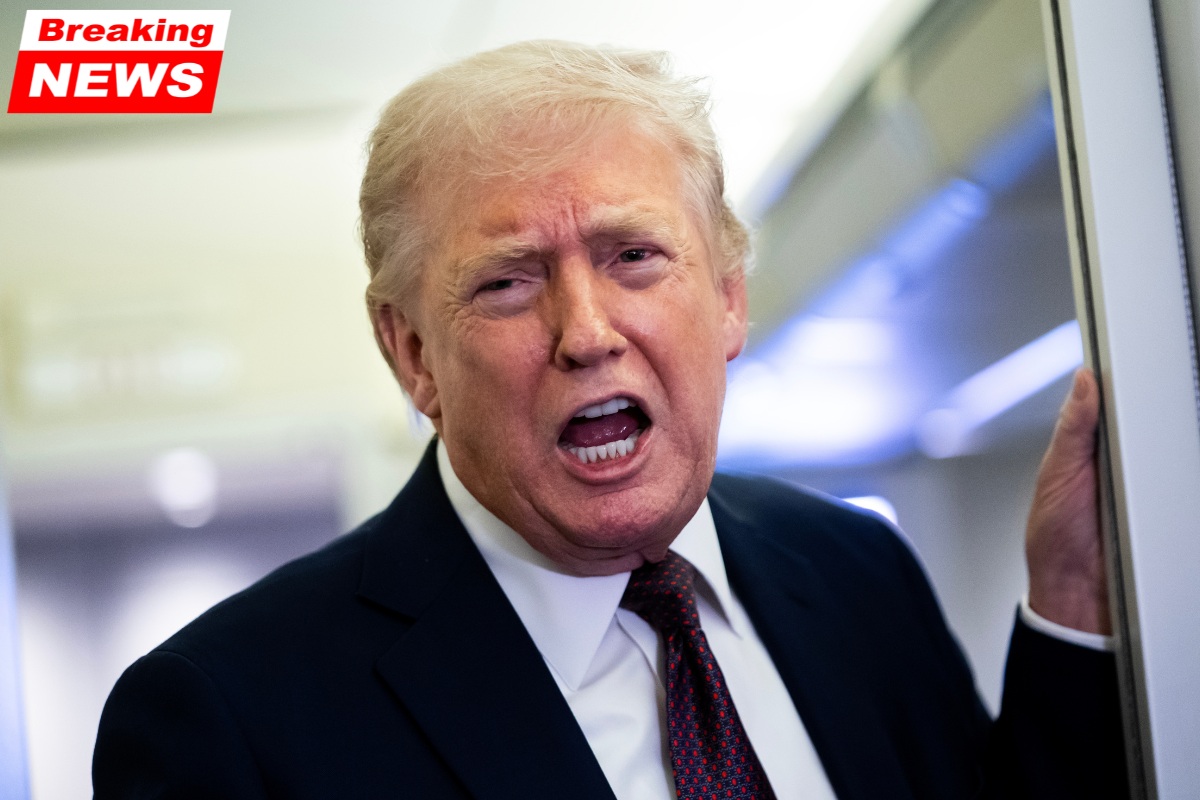
Trump’s escalating attacks against the media mark a troubling development in his long-standing criticism of press coverage he deems unfavorable. Recently, he has gone beyond his usual rhetoric, threatening the media with charges of treason.
In a Truth Social post on Sunday, Trump accused unspecified news outlets of working with Iran to spread AI-generated images of a burning U.S. aircraft carrier, calling for those responsible to be charged with treason. The false claims about the aircraft carrier were debunked by most Western outlets, which instead reported the images as fake.
Trump’s new reference to treason, a crime punishable by death under U.S. law, represents an unprecedented escalation in his longstanding critique of news coverage. Throughout his presidency, Trump labeled the press as “fake news” and “the enemy of the people,” often personally attacking journalists with derogatory names such as “piggy” and “sleazebag.”
The Public’s Unfavorable View on the War
According to a March 1 Reuters/Ipsos poll, only one in four Americans approved of the February strikes by the United States and Israel on Iran. Additionally, half of Americans, including one in four Republicans, believe Trump is too willing to use military force.
The conflict has already led to the deaths of at least 13 U.S. service members, and public sentiment remains divided on the administration’s handling of the war.
Trump’s Criticism of Media Outlets
Trump’s rhetoric reached new heights when Defense Secretary Pete Hegseth singled out CNN for its coverage. Hegseth dismissed CNN’s report, which suggested the administration had underestimated the risks to oil shipments through the Strait of Hormuz, calling the report “patently ridiculous.”
This criticism was echoed by the White House, which sent an email accusing CNN of “lying” to undermine the military operation’s success.
The conflict has also seen tension between Trump and CNN’s new owner, David Ellison, the CEO of Skydance, a company linked to Trump ally Larry Ellison. The White House’s email further emphasized the need to protect the military operation from negative coverage.
Threats to Broadcast Stations
In addition to Trump’s personal remarks, U.S. Federal Communications Commission Chairman Brendan Carr also waded into the debate. On Saturday, Carr posted on X (formerly Twitter), warning that broadcasters airing “fake news” now have an opportunity to “correct course” before their license renewals. Carr’s comments came with a screenshot of Trump’s post on Truth Social, where he had expressed frustration with the press.
While the FCC has not revoked a broadcast license in more than 40 years, any attempts to do so would likely face strong legal challenges, as such actions could run afoul of First Amendment protections for freedom of the press.
Criticism and Legal Concerns
Jameel Jaffer, the executive director of the Knight First Amendment Institute, expressed concern that Trump’s recent rhetoric is an intensification of his long-running efforts to align the press with his political agenda.
“President Trump is free to criticize news coverage he thinks is inaccurate or unfair, but the First Amendment gives news organizations the right to decide for themselves what to report, and how to report it,” Jaffer said in a statement.
Trump’s rhetoric has created a credibility gap in Washington, with some politicians and political strategists worried about the potential chilling effects on the media.
Jeanette Hoffman, a Republican consultant, pointed out that media outlets may be vulnerable to government threats, especially when mergers or deals with the FCC are in play, as in the case of CNN’s parent company Warner Bros. Discovery.
Public Sentiment on Media and War Coverage
Despite the President’s attacks on the media, public opinion remains divided. Jason Roe, a Republican political strategist, agreed that while the media might be downplaying U.S. military successes in the war, Trump’s approach could be seen as “rhetorical excess” that will likely have little long-term impact if the war is resolved quickly and successfully.
Key Takeaways:
| Key Issue | Details |
|---|---|
| President Trump’s Criticism | Attacks media over coverage of the Iran war |
| Approval of U.S. Strikes | Only 1 in 4 Americans approve of U.S. and Israeli strikes on Iran |
| CNN Controversy | Trump and Hegseth criticize CNN’s coverage of oil shipment risks |
| FCC Remarks | Chairman Carr warns broadcasters on “fake news” |
| Media’s Response | CNN and other outlets stand by their reporting |
| Public Opinion on the War | Mixed views on U.S. military involvement in the Iran conflict |
| First Amendment Concerns | Experts warn about threats to press freedom |
As the Iran war continues, President Trump’s attacks on news organizations reflect an increasing hostility toward the press, especially as it covers the military conflict. With the media facing threats of legal actions and censorship, concerns about the First Amendment and the role of journalism during wartime are growing. At the same time, the public remains skeptical about the war’s progress and the administration’s approach to handling the situation.