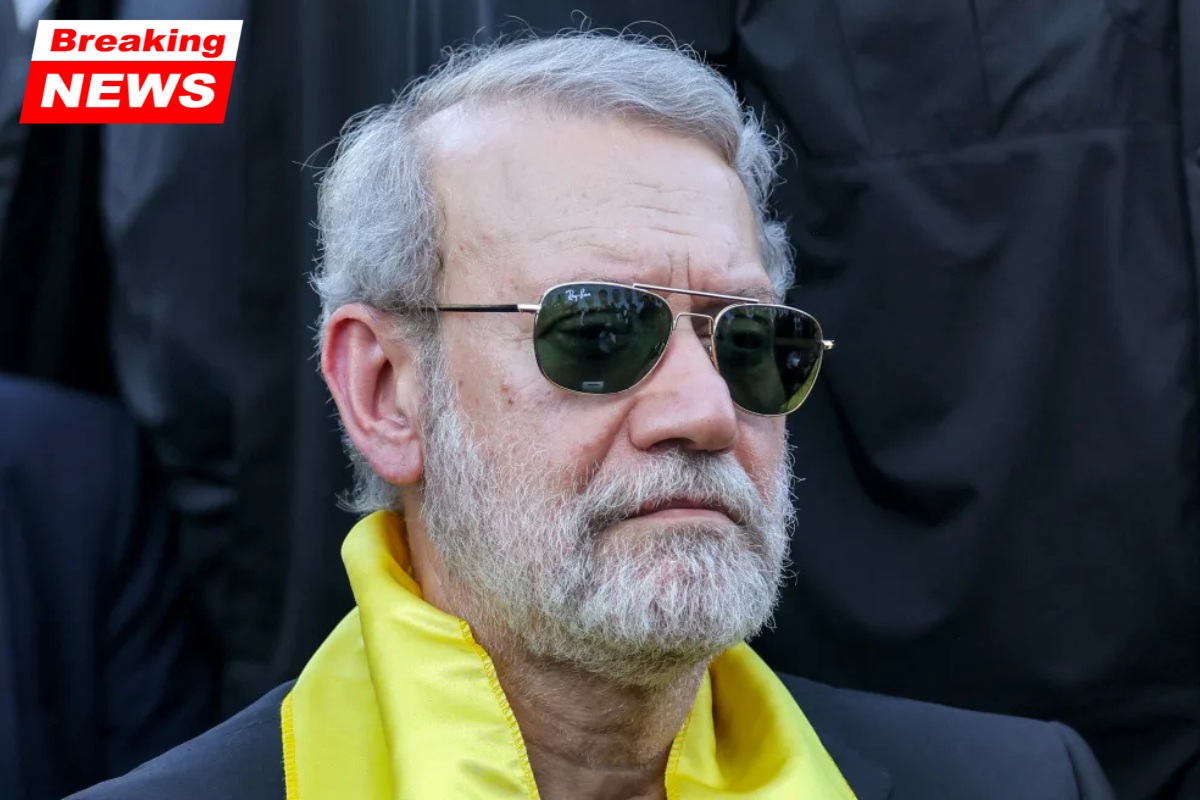
Crisis in the Gulf deepened after Israel said it had killed two top Iranian security figures, a move that sparked fresh strikes, disrupted flights, and raised fears about global oil supplies. The killings hit Iran’s internal power structure hard and drove regional neighbours to respond with missile and drone attacks — leaving many questions about who leads Iran now and how the crisis could widen.
What happened
Ali Larijani and Gholam Reza Soleimani were reported killed after strikes Israel took responsibility for. Israel’s defence minister, Israel Katz, said the two were “eliminated last night.” Iran confirmed the deaths and responded with missile and drone launches toward nearby Gulf states and Israel.
Who these men were and why they mattered
Both men were central to Iran’s security and internal control. Larijani was a senior adviser and former speaker of parliament who helped shape policy; the Basij commander played a major role in repressing protests inside the country. Their deaths removed key figures linked to Iran’s response to domestic unrest and external threats. Iran had already been shaken after the earlier killing of its supreme leader, Ayatollah Ali Khamenei, which left a fragile leadership situation.
Regional fallout
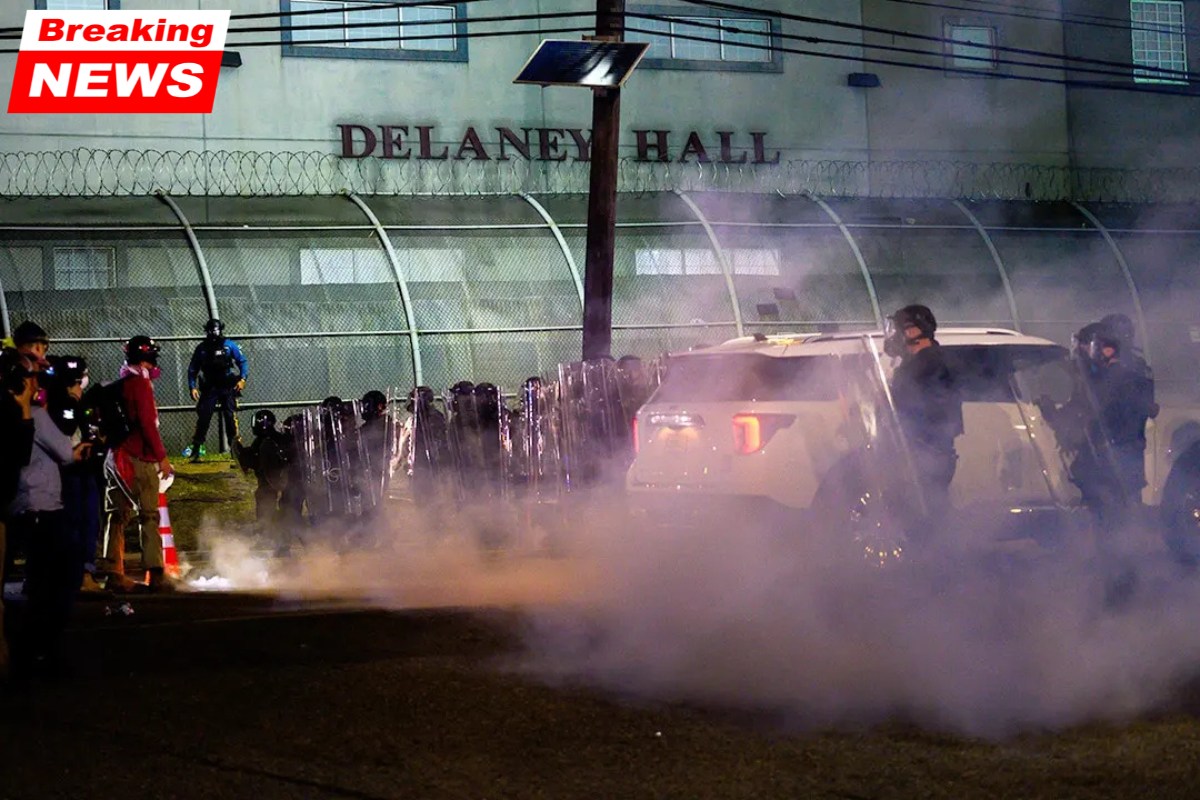
Strikes and counter-strikes have spread around the region:
- Gulf airspace briefly closed in places such as Dubai, disrupting flights.
- An oil facility in the United Arab Emirates was hit, and debris from intercepted missiles killed at least one person in Abu Dhabi.
- Drones targeted the US Embassy compound in Iraq and were shot down over Baghdad.
- Hezbollah, the Lebanese militant group Hezbollah, fired rockets into northern Israel, and Israeli forces struck Hezbollah positions in Lebanon.
These actions made the whole region feel like a battlefield and pushed oil markets higher because the Strait of Hormuz — a waterway through which much of the world’s oil moves — came under threat.
Global responses and transport risks
Countries and international bodies reacted cautiously. The US said it was seeking partners to help secure shipping lanes, but President Trump reported little help from allies. The EU’s foreign policy chief, Kaja Kallas, said Europe did not want to be drawn into the war. With several oil shipments hit and tanker routes threatened, markets worried about supply, and some shippers avoided passage through the strait.
Human and economic toll
The conflict has caused severe civilian harm. Iran’s Red Crescent reports thousands of deaths, and Lebanon says more than a million people are displaced by strikes and fighting. Attacks on ports, oil facilities, and shipping raise the risk of a global energy shock that would affect fuel prices and the world economy.
Why this is a turning point
Leaders in Tehran have traditionally been part of a stable, hierarchical system. Striking that core leadership can:
- Create chaos inside government and the security services,
- Make it hard to find clear partners for diplomacy, and
- Give rise to unpredictable or extreme responses from militias and local commanders.
Israel’s stated aim — to weaken Iran and give its people a chance to act against the regime — has instead tightened Tehran’s control in some places and sent others into hiding. Public protests have all but stopped as people shelter from strikes and the state shows force to prevent unrest.
Quick content overview
| Item | Summary |
|---|---|
| Main event | Israel claims it killed two senior Iranian security officials. |
| Immediate response | Iran fired missiles and drones at neighbours and Israel; strikes continued. |
| Regional impact | Flights disrupted, oil facility hit, attacks near strategic shipping lanes. |
| Human cost | Thousands killed, mass displacement in Lebanon, civilian casualties in UAE and Iraq. |
| Why it matters | Threat to global energy supplies and risk of the conflict widening beyond the region. |
What to watch next
- Official confirmation and clear reporting on who now leads Iran.
- Any wider coalitions forming to protect shipping through the Strait of Hormuz.
- Moves by regional powers to either de-escalate or widen their involvement.
- Humanitarian efforts and how displaced populations are supported.
The killings of two senior Iranian security figures mark a dangerous escalation that has already cost many lives and stoked regional instability. When top leaders are removed, decision-making can fragment — which makes both planning and peace harder. The threat to the Strait of Hormuz and repeated strikes against oil facilities mean the wider world now feels the consequences in higher energy prices and greater political risk.
Civilians have borne much of the cost so far, and without immediate efforts to protect non-combatants and restore reliable channels for diplomacy, the conflict may keep widening and deepen humanitarian suffering. The international community faces a hard choice: push for rapid de-escalation and aid, or risk a prolonged regional war with lasting global effects.