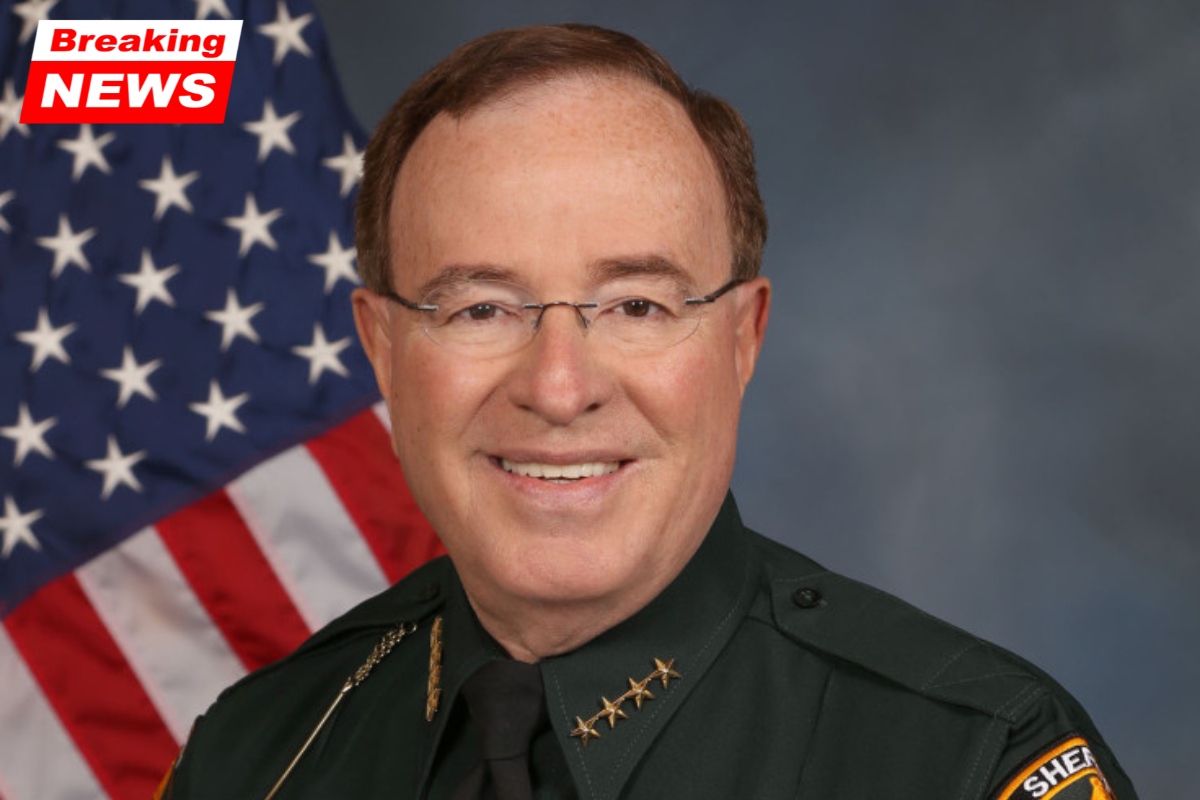
A group of Florida sheriffs is asking President Donald Trump to pause deportations of undocumented immigrants who have not committed crimes. The call — led by Polk County Sheriff Grady Judd and made through Florida’s State Immigration Enforcement Council State Immigration Enforcement Council — marks a surprising shift from the state’s recent hardline approach to immigration. This short, easy guide explains what they want, why it matters, and what could happen next.
What the sheriffs are asking for
Sheriffs on the council want deportation policy to focus on people who commit crimes, not on every undocumented person living in the state. They say officers see many families who came to work and raise children, and punishing those people would be wrong. Sheriff Judd said officials should distinguish between criminal offenders and immigrants who are working, paying taxes, and going to church.
Who is on the council and what they discussed
The State Immigration Enforcement Council includes four sheriffs and four police chiefs appointed by Florida leaders. Several members supported a plan that would ask the federal government to pause mass deportations of non-criminal undocumented immigrants and give clearer guidance on who should be removed. The council plans to write a letter to President .
What alternatives the sheriffs suggested
Instead of immediate deportation for people without criminal records, some council members proposed civil penalties or requirements such as:
- a temporary legal status for a fixed number of years;
- a requirement to learn English;
- paying fines for entering the country illegally; and
- not drawing public benefits while working and keeping their children in school.
These ideas are meant to keep public safety focused on criminals while offering a path that recognises people who contribute to local communities.
Why this is a big deal in Florida
Florida has been a leader in strict immigration enforcement under Governor Ron DeSantis. His administration has worked closely with federal immigration officials, and the state used a special emergency fund to pay for detention centres and enforcement operations. The sheriffs’ request signals a rare split between local law enforcement on the ground and the state’s political leaders in Tallahassee.
Money and politics: the emergency fund
A core issue is the Emergency Preparedness and Response Fund, which was set up for disasters but has helped pay for immigration operations. Lawmakers have argued over whether to renew the fund and how strictly to limit its use. The House and Senate did not agree on language before the regular session ended, so lawmakers may return for a special budget session in April to resolve the dispute. That fight will determine how much state money can be used for immigration enforcement going forward.
What this means for communities
- Families: If policy softens, more families could avoid sudden deportation and get a chance to stay and work.
- Public safety: Sheriffs say focusing on criminals keeps communities safer because residents are more likely to cooperate with police.
- Politics: The move could change how local voters see state leaders and could become a hot topic in the next elections.
Content overview
| Item | Short summary |
|---|---|
| Who asked | Group of Florida sheriffs led by Grady Judd. |
| Main request | Pause deportations for non-criminal undocumented immigrants. |
| Proposed alternatives | Civil penalties, English requirement, temporary status. |
| Political issue | Debate over the Emergency Preparedness and Response Fund and possible April special session. |
What could happen next
- The council will likely send a written request to the White House asking for clearer rules.
- Florida lawmakers may revisit the emergency fund during a special April session and debate limits on using state money for immigration enforcement.
- Local sheriffs and state officials could clash publicly, making immigration a major campaign issue in Florida politics.
Simple takeaway
This is a practical, local-level appeal: sheriffs are saying — “Focus on criminals, not on families who work hard.” It’s important because sheriffs are the people on the ground who see how enforcement affects communities, and their view can shape real policy changes.
The sheriffs’ request is a meaningful shift in Florida politics. It shows that some law-and-order leaders believe a one-size-fits-all approach to deportation hurts public safety and breaks families. If the White House or Congress listens, policy could move toward more targeted enforcement that separates criminal deportations from civil immigration issues.
But the question of money — whether Florida will keep using the Emergency Preparedness and Response Fund for immigration enforcement — is unresolved. Lawmakers will likely meet again in a special session in April, and the outcome there will decide whether the sheriffs’ ideas become law or remain only a public plea.
This debate is important for people across Florida, especially immigrant families, local communities and anyone tracking how practical law enforcement and politics intersect.