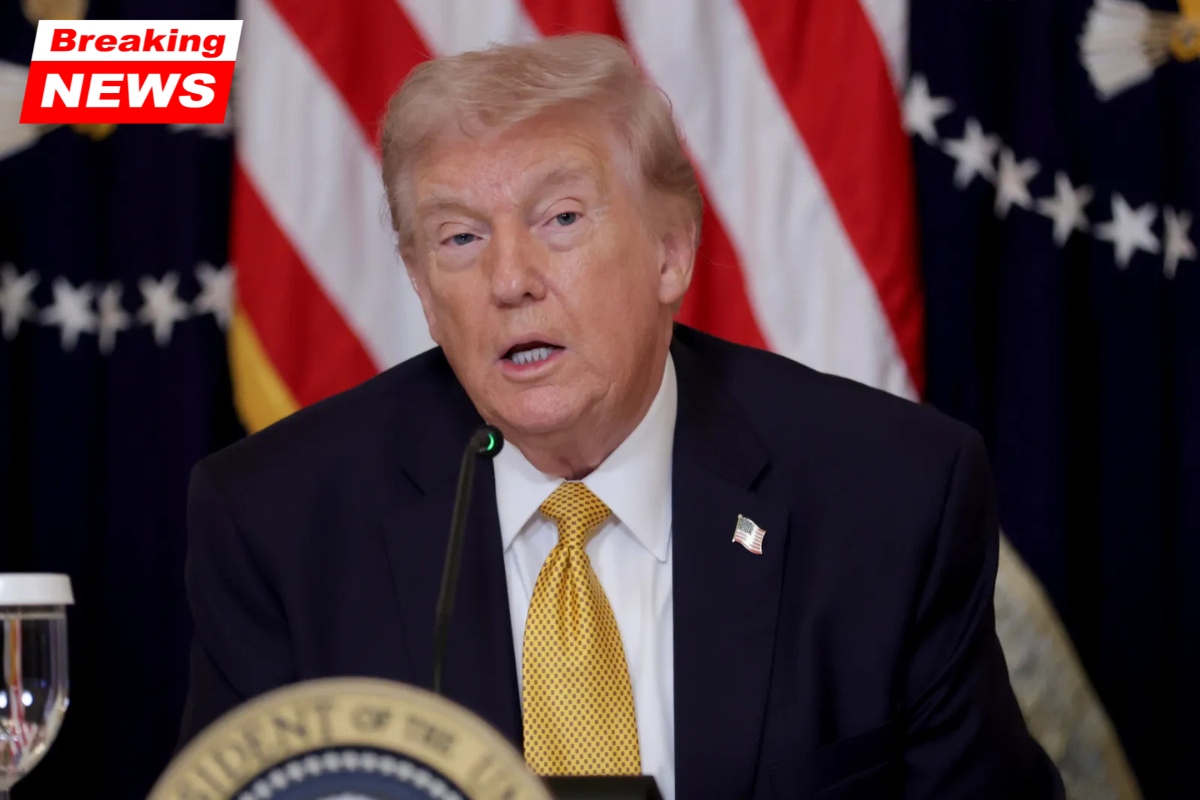
Cuba’s crisis has suddenly become a big international story. President Donald Trump said he expects to “have the honour of taking Cuba,” and that remark has pushed Moscow to loudly back Cuba while Havana scrambles to restore power after a nationwide blackout. Below is a clear, simple write-up of what happened, why countries are reacting, and what to watch next.
What Trump said and why it mattered
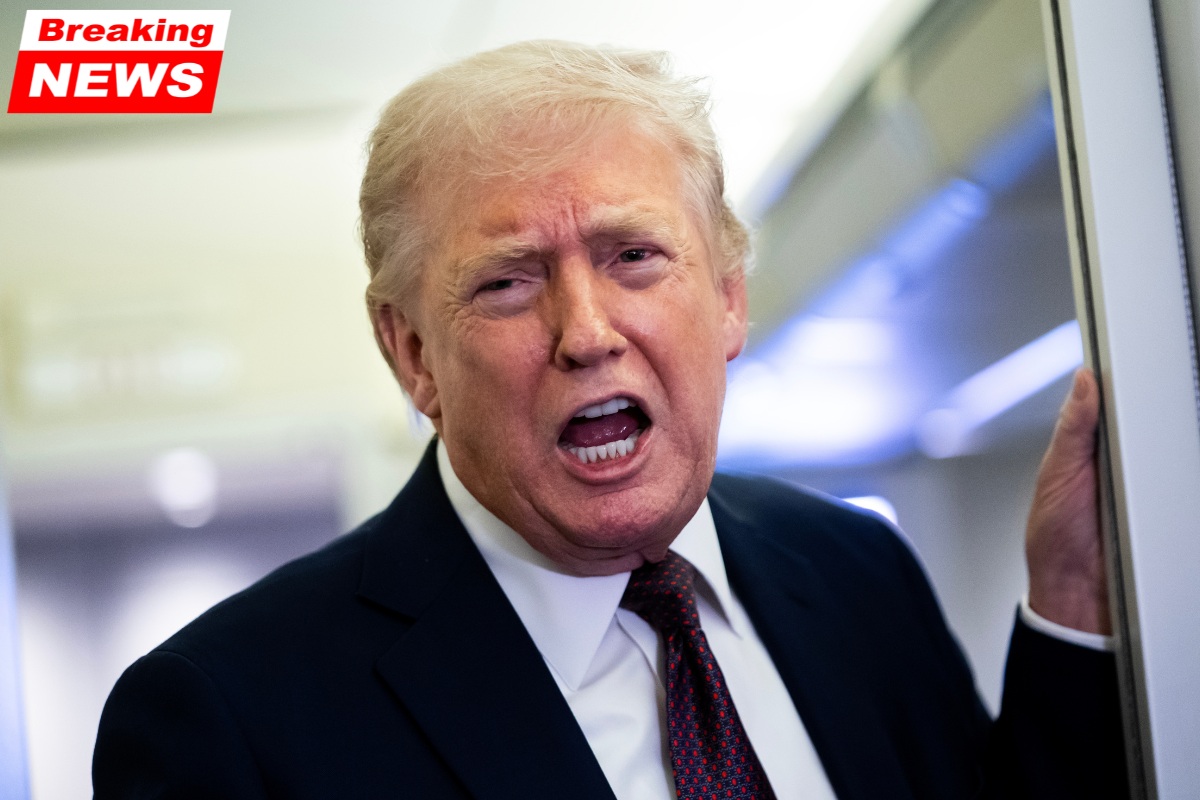
On March 16 the U.S. president said he thought he would have “the honour of taking Cuba in some form” and even added, “I can do anything I want with it,” arguing the island was weakened by fuel shortages and blackouts. Those comments raised alarms because they sounded like a threat of strong U.S. pressure — diplomatic, economic, or worse.
How Cuba’s blackout and oil squeeze fit in
Cuba’s whole power grid went down recently, causing a major islandwide blackout that left millions without electricity. The government and many outside analysts say the crisis comes from old, fragile power plants and a lack of fuel after tighter U.S. restrictions on oil supplies. The outage has forced hospitals, factories and daily life to struggle — and it helped make the island look vulnerable.
Russia’s response
The Russian government condemned what it called interference and threats, and it promised political and financial support for Cuba. Russia’s foreign ministry said it “reaffirms its unwavering solidarity” with Cuba and strongly objects to unilateral pressure or intimidation. Moscow framed the U.S. measures as an attempt to choke Cuba’s economy.
What the U.S. did earlier
The White House used an executive order in late January to impose new penalties and threatened tariffs on countries that supply oil to Cuba. The move was framed as a response to Cuban actions Washington called hostile, but it also tightened the island’s access to fuel — a key reason why power plants have struggled.
Why other countries are watching
Many nations worry that talk of “taking” another country and strict economic pressure could destabilise the region. China and Russia have already been talking with Cuban officials, and some countries at the U.N. criticised the U.S. embargo as unfair and harmful to civilians. That means the dispute is not just a U.S.–Cuba issue — it’s now a wider diplomatic problem.
What this means for Cubans
- People faced food spoilage, hospital stress and transport problems during the blackout.
- The government said it is in talks with the U.S. to ease the situation, and it has also reached out to allies for help.
- Any long disruption of fuel or power will hurt ordinary Cubans most, which is why humanitarian aid and careful diplomacy matter right now.
Quick content overview
| Item | Short note |
|---|---|
| Main event | Trump said he expects to “take” Cuba; Russia backed Cuba. |
| Cause of crisis | Islandwide blackout + oil shortages after U.S. restrictions. |
| Reactions | Russia promises support; other countries call for negotiations. |
| Human impact | Power outages hit hospitals, food supply, daily life. |
What to watch next
- Official talks: Will the White House and Havana reach a concrete deal to resume fuel deliveries or aid?
- Russian moves: Will Moscow increase direct help such as shipments, money or political support?
- Regional ripple: Could tensions lead to more protests in Cuba or diplomatic clashes in the Americas?
Simple takeaways
- The president’s words added fuel to an already tense moment.
- Cuba’s blackout was a real humanitarian problem made worse by fuel limits.
- Russia’s public support signals this is now a broader geopolitical test.
A note on leaders and diplomacy
Miguel Díaz-Canel has said Cuba is speaking with the U.S., while U.S. officials like Marco Rubio have urged stronger change in Cuban governance. Both sides face pressure at home and abroad, and that makes any negotiated solution delicate.
This moment shows how words and policy combine to shape real lives. A single high-profile comment about “taking” another country can deepen fear, trigger allies to react, and make it harder to solve the problem peacefully.
Right now, Cuba needs fuel, repairs and calm; diplomats need steady channels to negotiate; and the international community must weigh how sanctions and speeches will affect ordinary people. The situation could improve if talks lead to concrete relief for Cubans — but the risk of escalation is also real, so careful diplomacy and clear humanitarian steps are the urgent priorities.