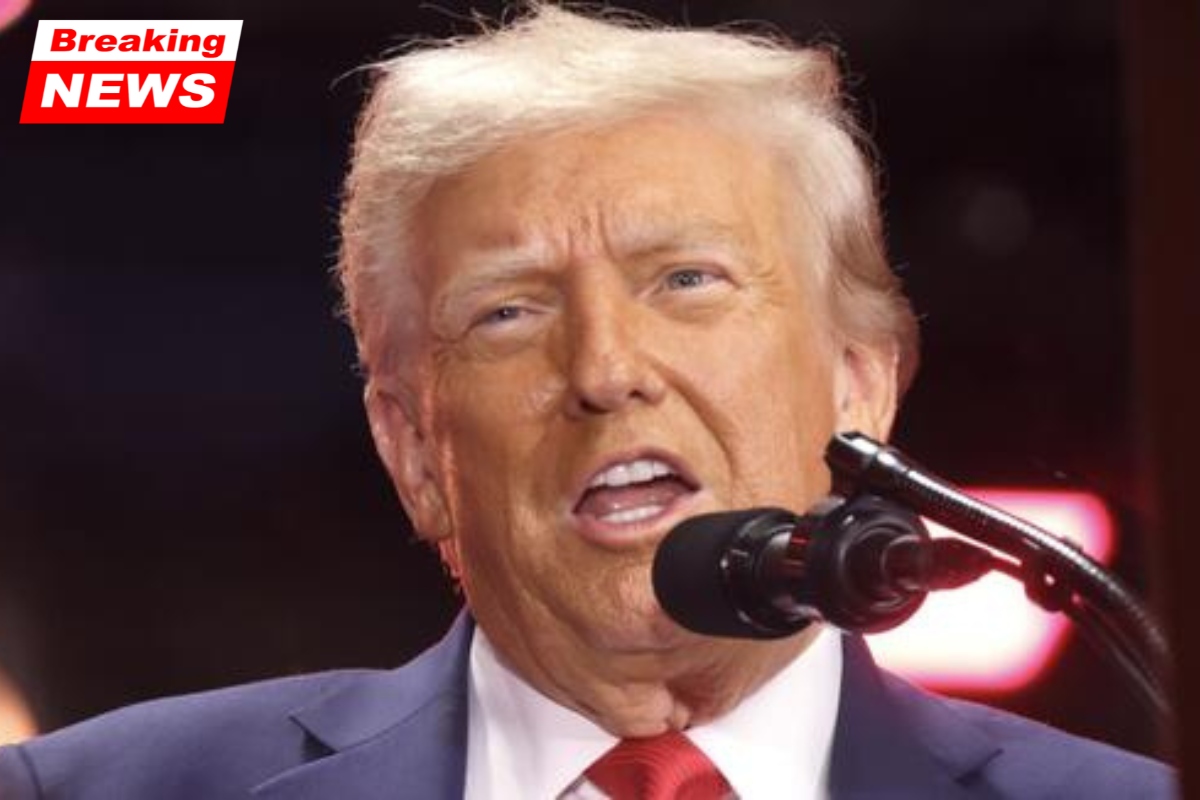
President Donald Trump says U.S. strikes have wiped out Iran’s top leaders and left the country with no clear command. That claim — and the fighting that followed — has made it hard for Washington to know who to talk to if diplomacy is needed. Below is a clear, simple explainer of what Mr. Trump said, who may be dead or hurt, why this matters for diplomacy, and what to watch next.
What President Donald Trump said
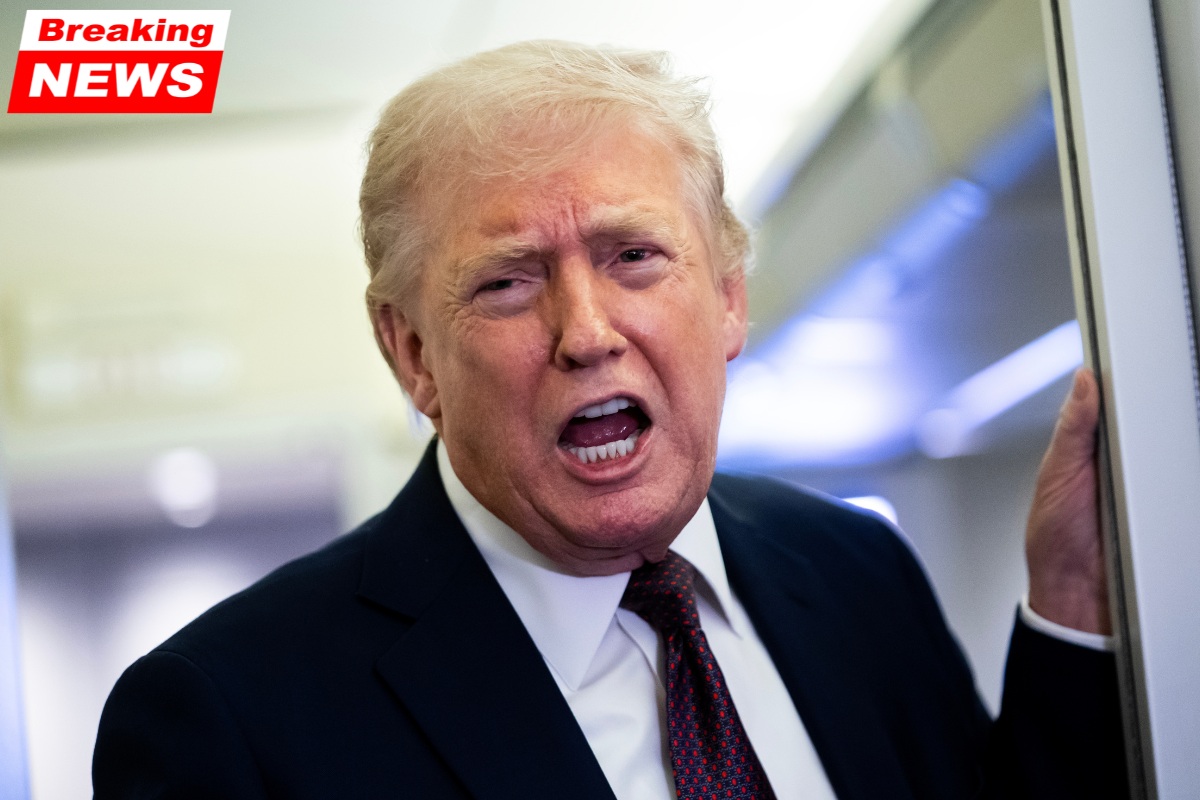
Mr. Trump told reporters on March 16 that Iran’s leadership “is gone” after a series of strikes that targeted top officials. He said new leaders that appeared were also being removed and that the U.S. had “done a job for the world.” He added that the chaos makes it hard to know whom the United States could negotiate with.
Who has been hit and who might be hurt
U.S. and Israeli strikes have reportedly killed and injured several senior Iranian officials in recent weeks. Reuters and other outlets say Iran’s previous supreme leader, Ayatollah Ali Khamenei, was killed earlier in the campaign, and U.S. strikes have since hit other top figures. More recently, reports say Iran’s national security chief, Ali Larijani, was killed in an attack that also struck Basij commander Gholamreza Soleimani. These removals have left Iran’s chain of command badly disrupted.
U.S. officials have also suggested Iran’s newly installed leader, Mojtaba Khamenei, may have been injured in strikes and has not appeared publicly. U.S. Defense Secretary Pete Hegseth said Mojtaba appears “wounded and likely disfigured,” a claim picked up by several news outlets and by President Trump as part of his explanation for why Iran’s leadership is unclear.
Why this leadership gap makes diplomacy hard
Diplomacy usually needs a clear opposite number — a person or team to meet and bargain with. If large parts of Iran’s top command are dead, wounded or hidden, it becomes difficult to open talks that could stop the fighting. Mr. Trump framed the removal of leaders as a strategic win that weakens Iran’s ability to coordinate. But he also said that the U.S. now lacks obvious people to talk to in Tehran, which complicates any effort to end the conflict peacefully.
What U.S. officials are saying publicly
The White House and Pentagon have used the leadership disruption to argue that the military campaign is working. Some U.S. figures stress that removing violent or repressive leaders reduces Iran’s capacity to wage war. At the same time, senior officials’ public statements — including speculation about who is alive and who is injured — have added to uncertainty and may weaken chances for back-channel talks. Independent news organisations continue to report gaps and contradictions in public statements from all sides.
Risks and downsides of decapitation strikes
- Chaos: Removing many leaders at once can fragment a government and create unpredictable power struggles.
- Lack of interlocutors: Without known leaders, diplomacy stalls and third-party mediators may struggle to reach the right people.
- Retaliation: Leadership losses can harden resolve among surviving officials or spur irregular forces and militias to act unpredictably.
Analysts warn that these outcomes can prolong conflict and make it harder to protect civilians and restart negotiations.
What to watch next
- Confirmation of leaders’ status: Reliable statements from Iran or independent reporting will matter. (Newsrooms are still verifying many reports.)
- Any diplomatic moves: Oman, other Gulf states, or international actors may try to open channels if a negotiating counterpart is found.
- Military moves and regional fallout: Further strikes, reprisals, or actions in the Strait of Hormuz could rapidly change the situation.
| Quick facts overview | Details |
|---|---|
| What happened | President Donald Trump said U.S. strikes removed top Iranian leaders, leaving no clear commanders. |
| Who may be affected | Reports name Ayatollah Ali Khamenei (previous supreme leader), Mojtaba Khamenei (new leader), Ali Larijani and Gholamreza Soleimani. |
| Why it matters | Diplomacy needs people to talk to; a leadership vacuum makes negotiation and de-escalation harder. |
| Main sources | Reuters, AP, Guardian and other outlets reporting on strikes and official remarks. |
The president’s claim that Iran’s leadership has been largely removed describes a major battlefield change. But it also creates a thorny diplomatic problem: without known leaders to meet, the United States and its allies may find it much harder to negotiate an end to the fighting.
That in turn can allow conflict to spread, raise the risk of mistakes, and prolong suffering for civilians. For now, reporters and analysts are racing to verify who is alive, who is injured, and who speaks for Iran — and those answers will shape whether the path forward is negotiation or continued military action. The coming days are likely to be full of fast, consequential updates.