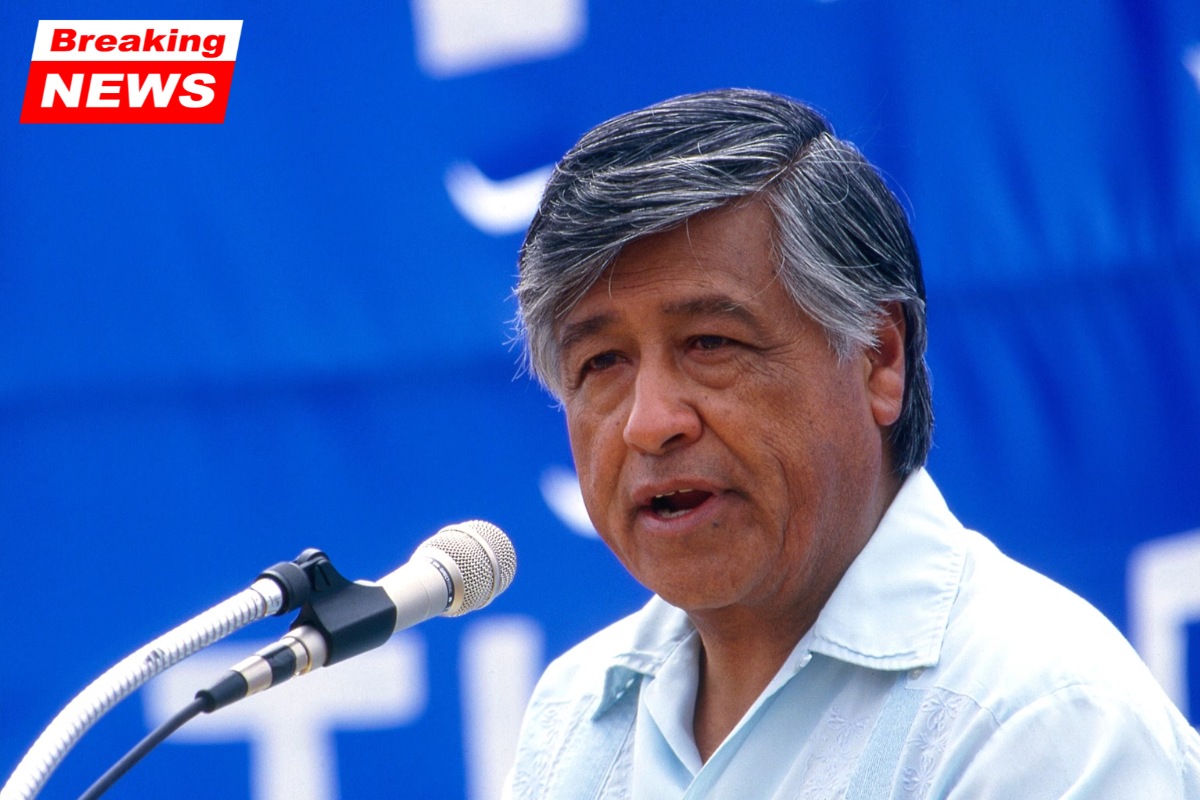
Cesar Chávez, the late farmworker leader who helped start the United Farm Workers, is facing new and serious allegations that he abused young women — and possibly minors. The union and the César Chávez Foundation have both said the claims are “deeply troubling” and are taking steps to help anyone who may come forward. Because Cesar Chávez Day is on March 31, groups and cities are already cancelling or changing events as leaders try to respond carefully.
Content overview (quick table)
| Item | Short summary |
|---|---|
| Who | César Chávez (late), United Farm Workers, César Chávez Foundation |
| What | Allegations of sexual misconduct involving young women and minors |
| Actions taken | UFW and Foundation issued statements; confidential reporting channel planned; some city events cancelled |
| Timing | Announced mid-March 2026, ahead of César Chávez Day (March 31) |
| Sources | Reuters, Associated Press, UFW/Foundation statements. |
What the statements said
The United Farm Workers said it has learned of “deeply troubling allegations” about César Chávez, including claims that “very young women or girls may have been victimized.” The union also said it has no firsthand knowledge yet, but the reports are serious enough that it must act. The UFW announced it will not take part in César Chávez Day activities this year and will create a confidential, independent way for people to share stories and seek support.
The César Chávez Foundation issued its own statement saying it was “deeply shocked and saddened” by what it had learned. The foundation said it is working with farmworker movement leaders to respond, support anyone harmed, and make sure healing and accountability options exist.
Why this is a big deal now
The news comes right before March 31, which many places mark as César Chávez Day. Because the allegations are about sexual abuse and possibly minors, groups that normally hold marches, parades or celebrations are pausing or cancelling events. In Texas and some other places, local organizers dropped parades after the statements were made public. The timing makes the situation more urgent for groups who must decide how to honour the farmworker movement without hurting survivors.
What the organisations promise to do
Both the UFW and the Chávez Foundation say they will:
- Set up a confidential and independent channel for people to report harm.
- Offer trauma-informed support and services for anyone affected.
- Work with community leaders to consider options for accountability and repair.
These are early steps meant to centre survivor care and to avoid rushing to judgement before more information is gathered.
How communities are reacting
Reaction is mixed and emotional. Some people feel stunned and betrayed because Chávez is a civil-rights icon who helped improve farmworkers’ lives. Others say the organisations did the right thing by taking allegations seriously and pausing celebrations so survivors can be heard and supported. Some cities still plan events but may change how they honour Chávez or shift focus to supporting farmworkers instead.
A bit of background
César Chávez co-founded the United Farm Workers in the 1960s and led large boycotts and strikes that won better pay and conditions for farmworkers. He died in 1993, and in 2014 President Barack Obama made César Chávez Day a federal commemorative day. That makes these allegations even more sensitive for national and local groups who have celebrated his work for decades.
What this could mean next
- Investigations or reporting may uncover more information.
- Organisers may revise or cancel more events as they learn more.
- The groups tied to Chávez will likely focus on survivor care and careful public communication.
- The conversation may spark broader debates about how to remember leaders who have been accused of harm.
Who should be contacted if someone needs support
The UFW and César Chávez Foundation said they will publicise a confidential reporting channel. If you or someone you know may have been affected, watch official UFW or foundation announcements for details on how to contact that support line safely. Local victim-support services are also available in many cities.
These allegations about César Chávez are both serious and painful for many people. They come at a sensitive time — right before César Chávez Day — and organisations are choosing to pause celebrations while they look into what happened and offer support to anyone harmed. That approach focuses on care for survivors first and respects the need for a careful, fair process before drawing conclusions.
The full facts are still emerging, so communities and leaders are moving slowly to balance preserving the farmworker movement’s achievements with making space for justice and healing. This is likely to be a long, difficult conversation about history, leadership, accountability, and how we honour movements when troubling allegations surface.