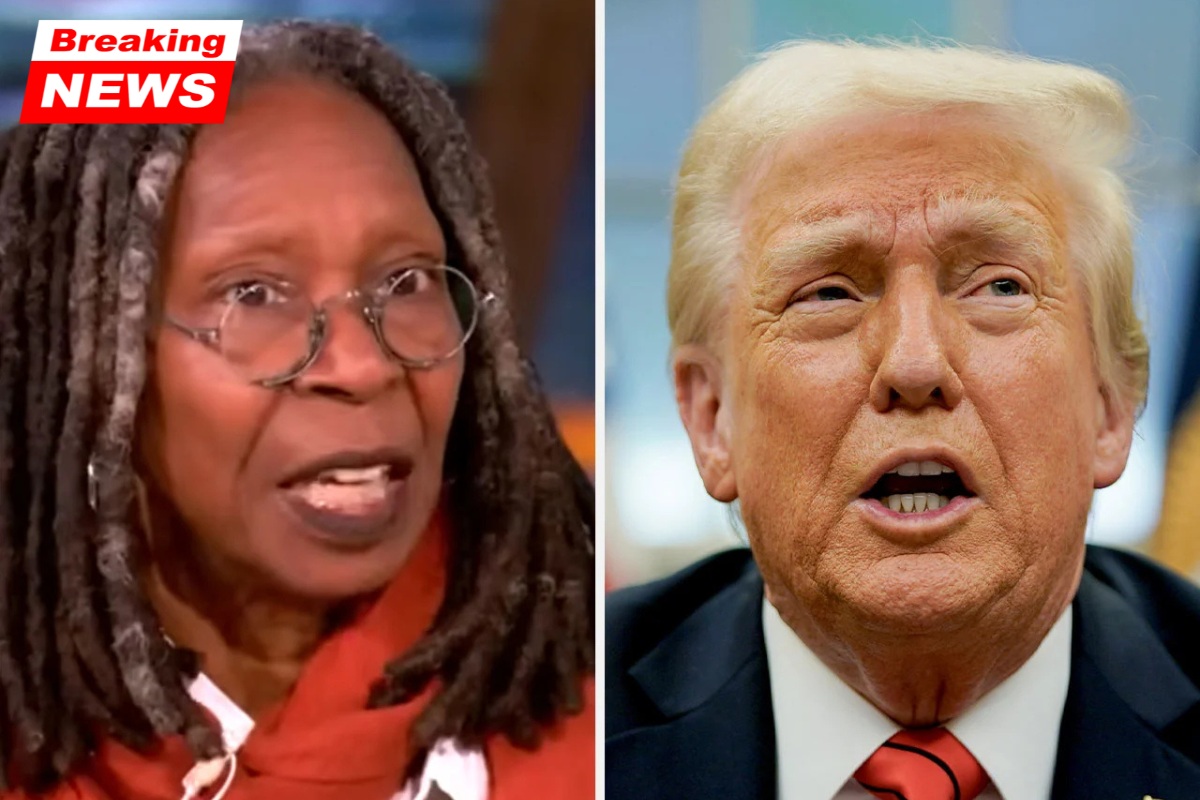
Whoopi Goldberg has stirred strong reactions after she criticised what she called President Donald Trump’s conduct during the growing conflict with Iran. On The View, she warned that American lives could be needlessly risked and said she did not want “anybody’s son and daughter” sent to fight. Her words were widely shared and debated online, with some people praising her for speaking up and others attacking her knowledge of military affairs. Whoopi Goldberg
The View: what she actually said and when
Whoopi spoke during a March episode of the panel show, arguing that U.S. action in Iran could send troops into harm’s way and comparing the situation — in tone if not detail — to past conflicts like Afghanistan. She said, “Basically, we are sending people in to lose their lives,” and added she did not want “anybody’s son and daughter to go.” Multiple outlets carried the clip and quotes from the episode.
Public reaction: anger, support and lots of debate
Online responses were mixed and often heated. Some social-media users criticised Whoopi’s comments, saying she lacked military expertise and that her tone was unfair to service members who volunteer. Other viewers agreed with her concern about sending troops into a messy ground war. Major entertainment and news pages summed up the reaction and republished segments of the show, which amplified the debate.
Why some people object to her words
Critics make a few clear points:
- They say she spoke about military strategy without specialised knowledge, which invites headlines but not policy solutions.
- Some argue her wording — that people will “lose their lives” — sounded alarmist given the absence of a formal declaration of a ground invasion.
- Others feel public figures should be careful when discussing troop safety so as not to undermine morale or mislead the public. Reports and clips from several news sites highlighted these lines of criticism.
Why supporters back her
Supporters say:
- Prominent voices have a duty to warn when they believe leaders are risking lives.
- Past wars (for example Afghanistan) left lasting harm and are a reason to question new large-scale troop commitments.
- For many, emotional appeals about sons and daughters carry weight and bring attention to human costs, not just geopolitics. Coverage of the episode shows both sympathy and serious concern from viewers.
Simple explanation for readers who want context
- The clip aired during a live panel discussion; such shows mix opinion and news commentary.
- Whoopi’s line was an opinion about possible outcomes if the conflict expands into a ground war.
- News outlets and clips spread the quote quickly, which magnified the reactions on social platforms. Video and text reports from several mainstream outlets document how the segment circulated.
| Content overview | Short note |
|---|---|
| Who said it | Whoopi Goldberg on The View. |
| Main quote | “Basically, we are sending people in to lose their lives.” |
| Public reaction | Split — some backlash, some support. |
| Why people care | Talks about troop safety and political leadership in a rising conflict. |
What to watch next
- Further episodes of the show — hosts sometimes follow up on controversy.
- Official statements from White House or Pentagon if policy changes are announced.
- Wider media coverage and any clarifications or apologies from the show or Whoopi herself. News outlets have been tracking the story and will report updates.
Whoopi Goldberg’s remarks on the show have become part of a larger public argument about how leaders speak about war and how media personalities should weigh in. Whether you agree with her or not, the reaction shows how quickly a short comment can spread and shape public feelings about a risky foreign policy moment.
For many people, the core question is simple and emotional: will young people be asked to risk their lives, and if so, do we have a clear, honest reason for it? That is a serious question that deserves calm explanation from political and military leaders, and it is also why public debate — even heated debate — will continue as events in the region unfold.