The upcoming Illinois Democratic primary to replace longtime Senator Dick Durbin has turned into a fiercely contested three-way race. With the 81-year-old Durbin’s retirement, the primary has not only showcased deep divisions within the Democratic Party over issues like President Donald Trump’s immigration policies but also introduced the significant influence of pro-crypto forces shaping the 2028 political landscape.
As the race unfolds, Illinois Governor JB Pritzker’s political power is being tested as he eyes a potential 2028 presidential bid.
A Competitive Field of Candidates
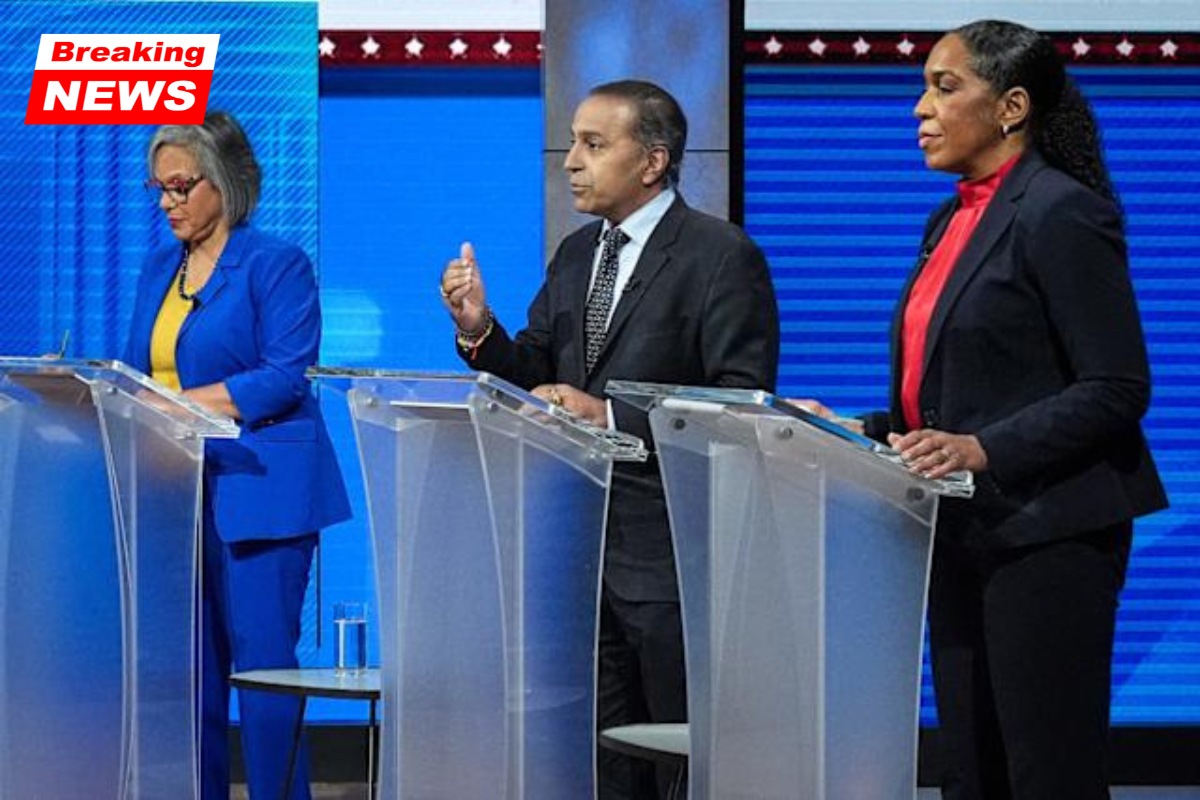
The Democratic primary features three experienced Illinois politicos: U.S. Reps. Robin Kelly and Raja Krishnamoorthi, and Lt. Gov. Juliana Stratton. All three candidates promise generational change if they succeed Durbin. While Illinois has not elected a Republican statewide in 12 years, the Democratic candidate chosen in the primary is widely expected to win in November.
The battle within the Democratic Party is proving to be intense, with high-stakes spending, personal endorsements, and ideological divides that have shaped the future of the party.
Pritzker’s Role and the Tension It Sparks
Governor JB Pritzker, who has invested considerable political and financial resources in boosting Stratton’s campaign, has found himself at the center of some controversy. His active support has led to criticism, especially from New York Rep. Yvette Clarke, who leads the Congressional Black Caucus. Clarke accused Pritzker of “heavy-handed” interference in the race, claiming it undermines the democratic process.
Pritzker defended his support for Stratton, emphasizing that he believes in supporting candidates who reflect the diversity of Illinois, particularly when it comes to electing Black women to positions of power. His influence continues to spark tension among party leaders, with some accusing him of overstepping boundaries.
Diversity and Representation in the Race
The primary race has become a test for the Democratic Party’s commitment to diversity. If Kelly or Stratton were to win, Illinois would elect its second-ever Black woman to represent the state in the U.S. Senate, following the groundbreaking election of Carol Moseley Braun in 1992.
On the other hand, Krishnamoorthi, who immigrated from India as a child, would become the first Indian-American senator from Illinois. The contest is shaping up to be an important moment for the future of Illinois politics and national representation.
The Flood of Outside Money
The Illinois Senate race has seen unprecedented levels of spending, with Krishnamoorthi leading the charge. His campaign has raised over $30 million, including substantial donations from his House campaign account.
This has translated into a dominant presence in the media, with Krishnamoorthi’s ads making up nearly half of the primary’s total ad spending. Stratton and Kelly have also raised millions but remain dwarfed by Krishnamoorthi’s financial edge.
In addition to the candidates’ personal funds, outside groups have poured millions into the race. Illinois Future PAC, which supports Stratton, has spent millions to back her campaign and criticize Krishnamoorthi.
Meanwhile, Fairshake, a pro-crypto super PAC, has spent over $8 million to back candidates aligned with crypto interests, drawing attention to the rising influence of cryptocurrency in national elections.
Crypto Influence and Tensions in the Race
The influence of pro-crypto groups has emerged as a major issue in the Illinois race. Fairshake, a super PAC backing crypto-friendly candidates, has spent heavily to support Krishnamoorthi and attack Stratton. The focus on crypto has sparked tensions between the candidates, with Stratton’s allies criticizing the involvement of such groups in the race.
Pritzker’s support for crypto regulation has made him a target for critics who view his connections with crypto-lobbying groups as a threat to fair electoral processes. Stratton has pushed back, asserting that the crypto money flooding the race is an attempt by outside forces to sway the election, calling it “dark money.”
Krishnamoorthi, in turn, has responded, accusing Stratton of hypocrisy for her own involvement with super PACs, stating that outside groups are flooding the airwaves because of the tone set by Stratton’s campaign.
Immigration: A Key Flashpoint in the Race
The immigration debate, amplified by President Trump’s crackdown, has become another key issue in the Illinois race. Stratton has called for the abolition of ICE, advocating for progressive immigration policies.
Krishnamoorthi, who has a personal connection to the issue as an immigrant, has framed his campaign as a response to Trump’s harmful policies, promising to “abolish Trump’s ICE” through legislation that would restrict the agency’s powers.
Kelly, who has taken a more moderate stance, acknowledges the importance of reforming border enforcement agencies but believes a complete abolition of ICE is impractical. She has introduced legislation aimed at holding leaders of these agencies accountable.
The Illinois race, reflective of the broader national debate, offers insight into how Democrats plan to address immigration and border enforcement in future elections.
Campaign Strategies and Voter Outreach
With the election approaching, candidates have turned their attention to campaigning across Illinois, particularly in Chicago, where the majority of the state’s Democratic voters reside.
Rep. Jim Clyburn of South Carolina, a key ally of the Democratic Party, recently headlined a fundraiser for Kelly, while Pritzker and Massachusetts Senator Elizabeth Warren have rallied around Stratton’s campaign.
As the candidates battle for votes, their messaging on issues like crypto influence, immigration reform, and generational change will likely play a significant role in the outcome. Stratton’s campaign has focused on connecting with voters on the ground, while Krishnamoorthi has leaned heavily on his financial edge and media presence.