The conflict in the Strait of Hormuz has escalated, with President Donald Trump demanding that NATO members assist in clearing the waterway after Iran blocked it. The situation has reignited tensions between the U.S. and its allies, and raised questions about the future of NATO and U.S. foreign policy.
Trump’s Demands for NATO Assistance
After provoking a major international crisis over Greenland just months ago, President Trump is now calling on NATO to assist in reopening the Strait of Hormuz. The strategic waterway, through which one-fifth of the world’s oil passes, has been blocked by Iran since the U.S. and Israel launched a military campaign against the Islamic republic.
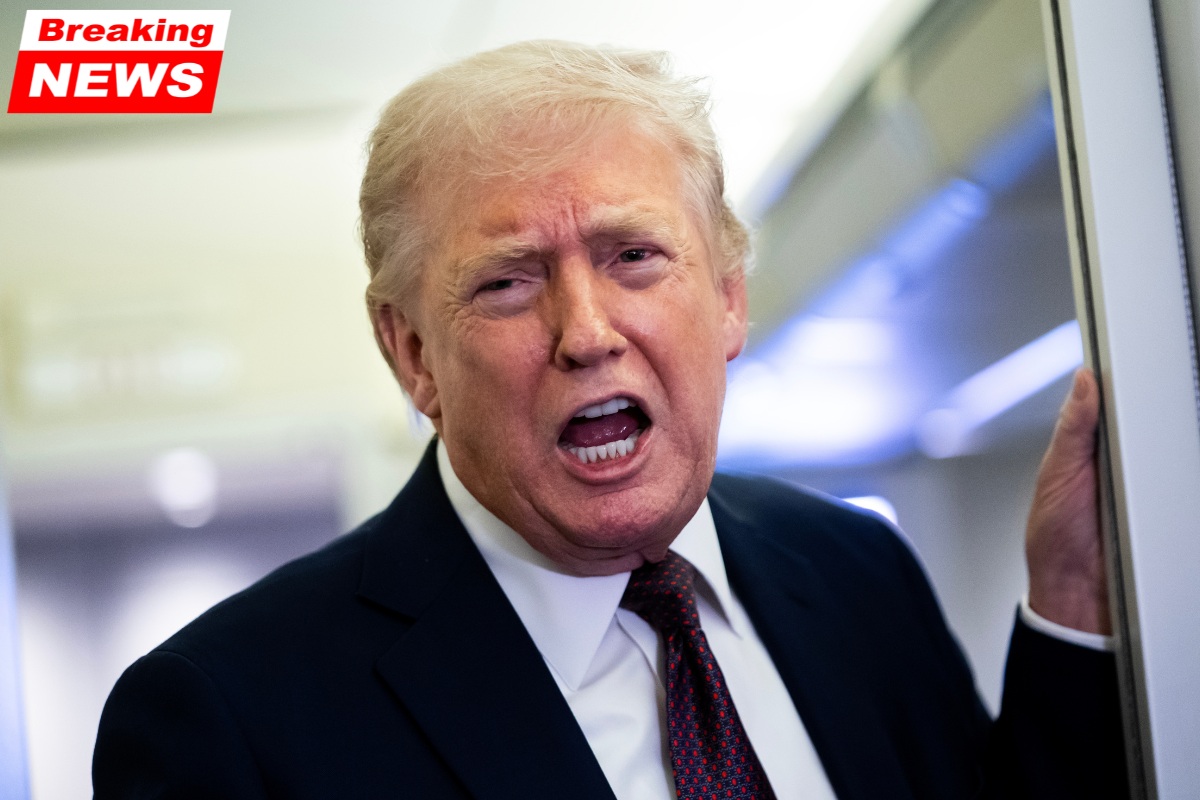
Trump has demanded that NATO countries help clear the strait, warning that a failure to do so would negatively impact the alliance’s future. He also expressed doubt that NATO would come to the U.S.’s aid, despite years of supporting allies like Ukraine.
“We’ve been very sweet,” Trump said in an interview with the Financial Times, emphasizing U.S. assistance in Ukraine, and now expects reciprocal support from NATO.
Iran’s Control Over the Strait of Hormuz
Iran has effectively gained control over the Strait of Hormuz, signaling its ability to choose who can pass through the vital shipping lane. While Iran’s military has been significantly weakened by U.S. and Israeli bombardment, the country still wields enough power to deter commercial shipping.
Iran has been allowing some vessels to pass through the strait but maintains that it’s up to their military to decide who is allowed to transit. Oil prices have soared due to the blockade, and reports suggest that Iran continues to find ways to send oil to its primary customer, China.
Trump’s Escalation and the Search for Support
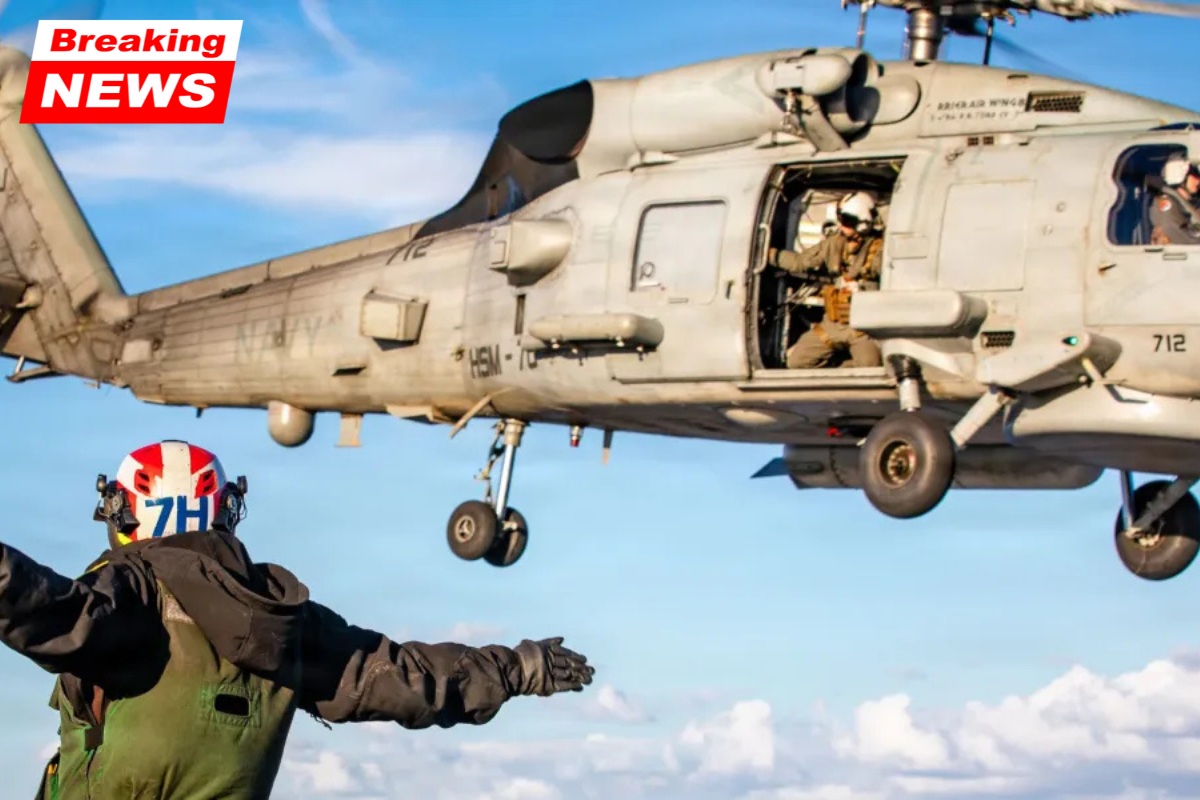
In a bid to escalate pressure on Iran, Trump ordered an attack on military sites on Kharg Island, Iran’s top oil export hub. Meanwhile, he is working to assemble a multinational naval coalition to reopen the strait. Trump has called on countries such as China, Japan, South Korea, and Britain to send warships to the region, but responses have been lukewarm.
NATO’s involvement remains unclear, and the U.K. has signaled that it may not take an active role in the military conflict. European officials, including Germany, are skeptical of expanding their current naval missions, with concerns about the effectiveness of such operations in the face of Iran’s growing capabilities.
The Challenges of Defending the Strait of Hormuz
Defending the Strait of Hormuz has become a daunting task, with military experts warning that the U.S. may need to deploy significant resources to ensure safe passage for commercial vessels. According to Jennifer Parker, a defense analyst, effective escorts would require a large number of warships, air patrols, and potentially ground troops to neutralize Iranian threats.
Additionally, the U.S. has limited mine-clearing capabilities, as its minesweeping fleet has been reduced, with most ships stationed in Asia. Experts warn that Iran could use mines to block the strait, which would be difficult to clear under hostile conditions.
Escalation Risks: Marines and Special Operations
The U.S. may need to deploy Marines or special operations forces to neutralize Iranian threats in the region. While the U.S. has sent a Marine Expeditionary Unit to the Middle East, analysts have suggested the possibility of an amphibious assault on Kharg Island to directly combat Iran’s forces.
However, these military actions come with significant risks. As MIT political science professor Caitlin Talmadge notes, the U.S. would face substantial challenges in clearing mines and securing the strait without further escalating the conflict.
The Future of U.S. Foreign Policy and NATO
The crisis in the Strait of Hormuz underscores the deepening divisions within NATO and the challenges the U.S. faces in garnering international support. The situation could have far-reaching consequences for the global order and may prompt NATO members to reassess their role in U.S. military operations.
Trump’s demand for NATO’s help highlights the growing tension between the U.S. and its allies, particularly after his earlier threats over Greenland and his ongoing trade war. As the situation in the Middle East continues to evolve, NATO’s future and its relationship with the U.S. remain uncertain.