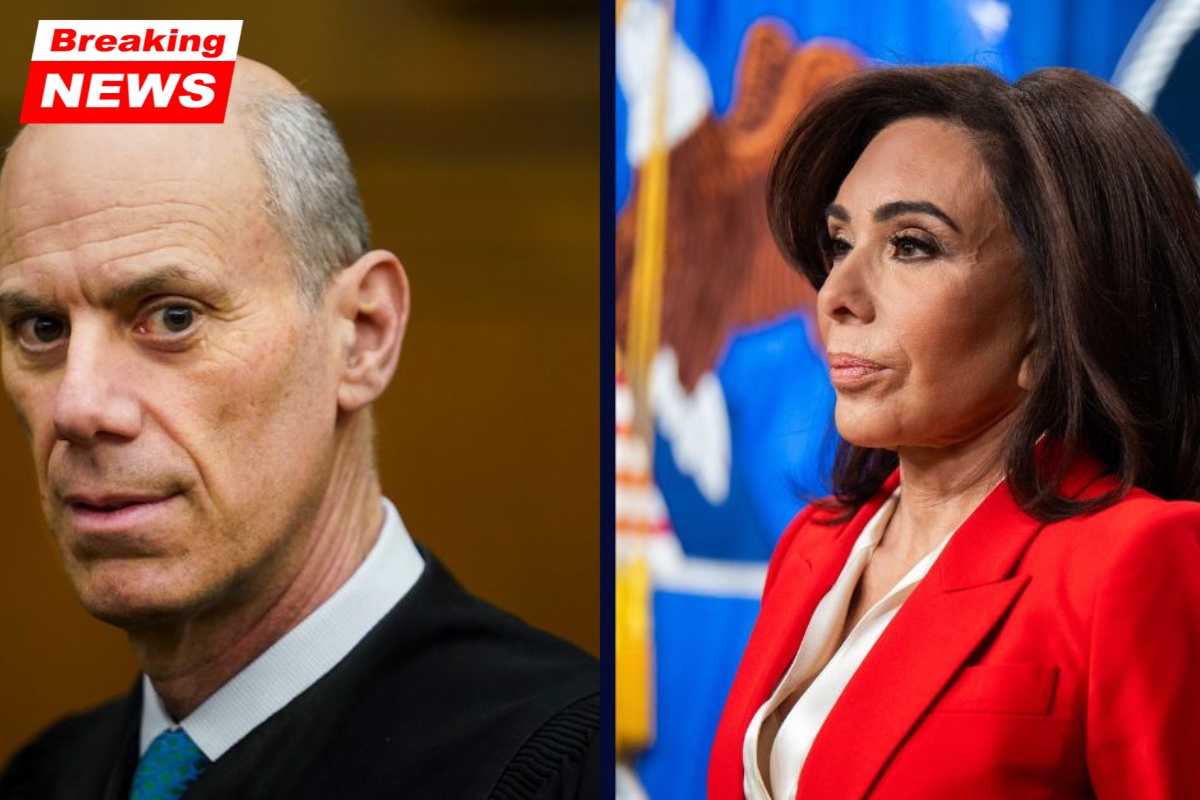
A major legal clash has taken place in the United States after a federal judge blocked grand jury subpoenas issued against Federal Reserve Chairman Jerome Powell. The judge said there was almost no evidence to support the investigation. This case has once again raised questions about politics, power, and the independence of key institutions in America.
Why the Subpoenas Were Cancelled
James Boasberg, the Chief U.S. District Judge, cancelled the grand jury subpoenas issued by U.S. Attorney Jeanine Pirro. He clearly stated that the government had “produced essentially zero evidence” to suggest that Jerome Powell committed any crime.
Powell had earlier revealed that Pirro’s office sent subpoenas related to his testimony before the Senate Banking Committee. The testimony was about renovation projects of historic Federal Reserve buildings. Powell described the move as “unprecedented” and said it came amid growing pressure from the administration.
Judge Boasberg said that even when he allowed the government to submit evidence privately (ex parte), prosecutors refused to provide any solid proof. This refusal became a key reason for cancelling the subpoenas.
Background: Trump’s Criticism of Powell
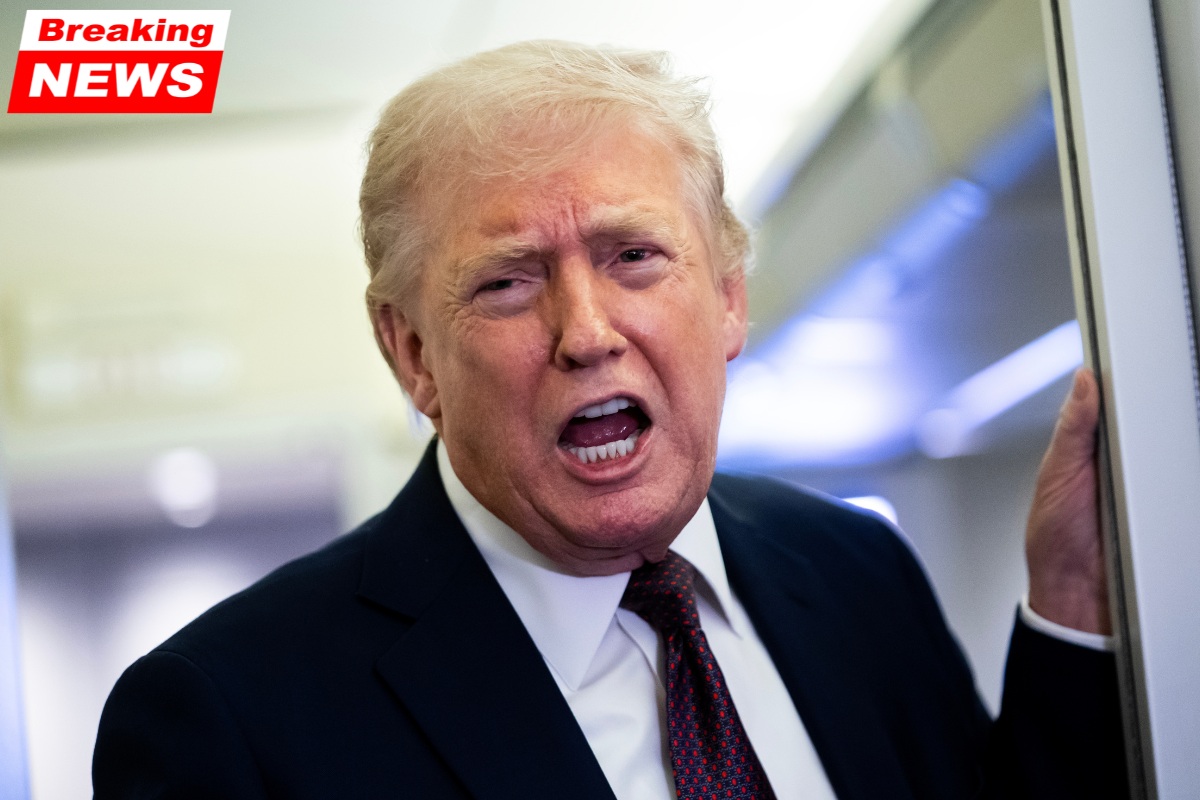
Donald Trump has openly criticised Powell many times. He called him “one of the dumbest and most destructive people in Government” and blamed him for not lowering interest rates quickly enough. Trump also accused Powell of “gross incompetence” in handling federal building renovations.
At one point, Trump even tried to remove Federal Reserve Governor Lisa Cook after a mortgage fraud referral from Federal Housing Finance Agency Director Bill Pulte.
The judge noted that Trump has publicly demanded investigations and prosecutions of people he considers political opponents.
A Pattern of Legal Action Against Critics
Judge Boasberg pointed out what he described as a “pattern.” According to him, several individuals seen as political rivals of Trump have faced investigations.
Some names mentioned include:
- James Comey
- Letitia James
- Adam Schiff
The judge said that in recent years, being viewed as the President’s adversary has become risky. He suggested that the Department of Justice appeared to be targeting officials who were not in favour with the administration.
However, some of those legal efforts reportedly collapsed or were blocked by courts.
What the Judge Said About the Evidence
Judge Boasberg was quite direct in his remarks. He said that apart from Powell simply testifying before Congress, there was no solid reason to suspect wrongdoing.
He even used sarcasm, saying that investigating Powell without proof would be like investigating him for mail fraud just because someone saw him send a letter.
The judge made it clear that courts cannot allow criminal investigations to move forward without real evidence. He added that the government’s reasons for issuing the subpoenas looked like “mere pretexts.”
Here’s a simple overview of the situation:
| Issue | Judge’s View |
|---|---|
| Evidence against Powell | Almost none provided |
| Private evidence submission | Government refused |
| Reason for subpoenas | Looked like pretext |
| Final decision | Subpoenas cancelled |
Reaction from Jeanine Pirro and the DOJ
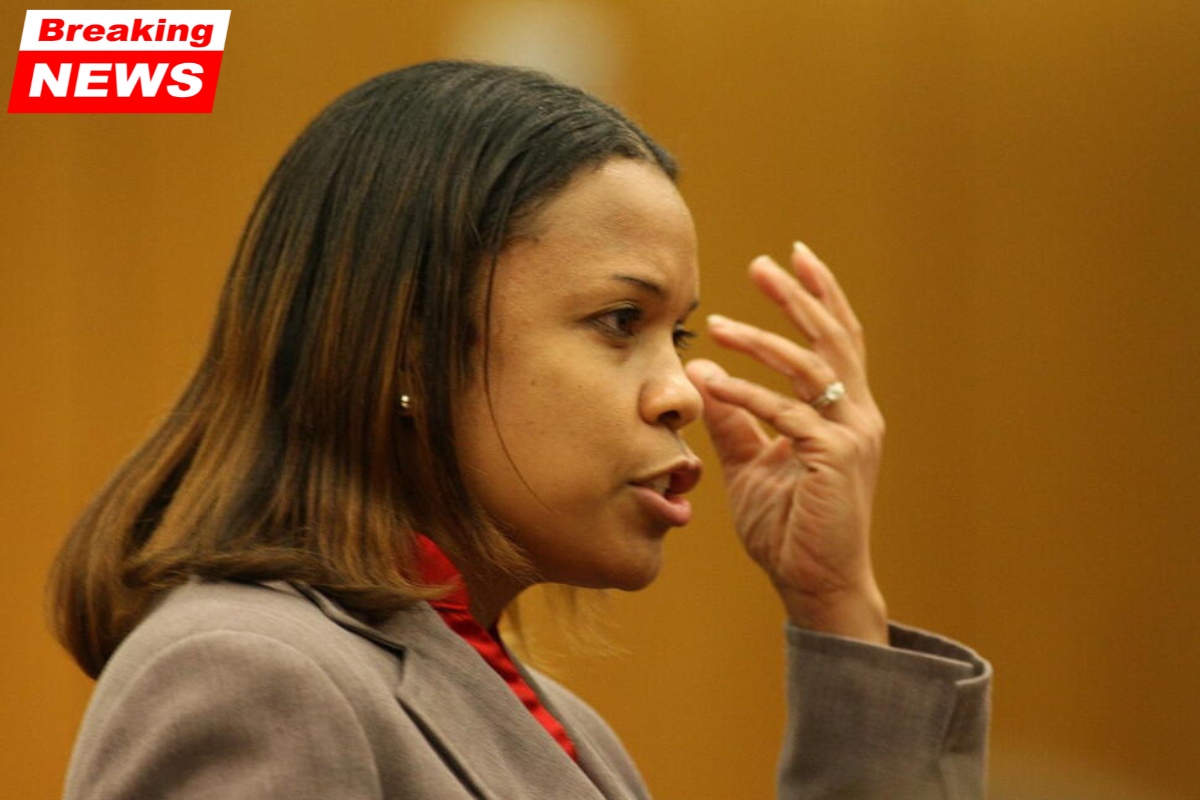
Jeanine Pirro strongly disagreed with the ruling. She called Boasberg an “activist judge” and announced that the Department of Justice would appeal the decision.
Pirro said the public is frustrated with how taxpayer money is used and claimed the ruling limits the government’s ability to investigate the Federal Reserve.
Some Republican lawmakers even called for the judge’s impeachment. However, separate efforts by the DOJ to discipline Boasberg reportedly did not succeed.
Why This Case Matters
This case is not just about one official or one investigation. It touches on larger issues such as:
- Independence of the Federal Reserve
- Limits of presidential power
- Role of the Department of Justice
- Protection against politically motivated investigations
In democratic systems, courts act as a check on executive power. Judge Boasberg’s ruling shows how the judiciary can step in when it feels the law is being misused.
At the same time, the appeal process means the matter may not be fully settled yet.
The decision to cancel the grand jury subpoenas against Jerome Powell has added another chapter to the ongoing tension between the judiciary and the executive branch in the United States.
Judge James Boasberg made it clear that investigations must be backed by strong evidence, not political pressure or public criticism. While Jeanine Pirro and the Department of Justice plan to appeal, the ruling highlights an important principle: no one should face criminal investigation without credible proof.
In a democracy, institutions must function independently, and courts must ensure that power is not misused. This case will likely continue to spark debate about political influence, accountability, and the balance of power in the U.S. government.