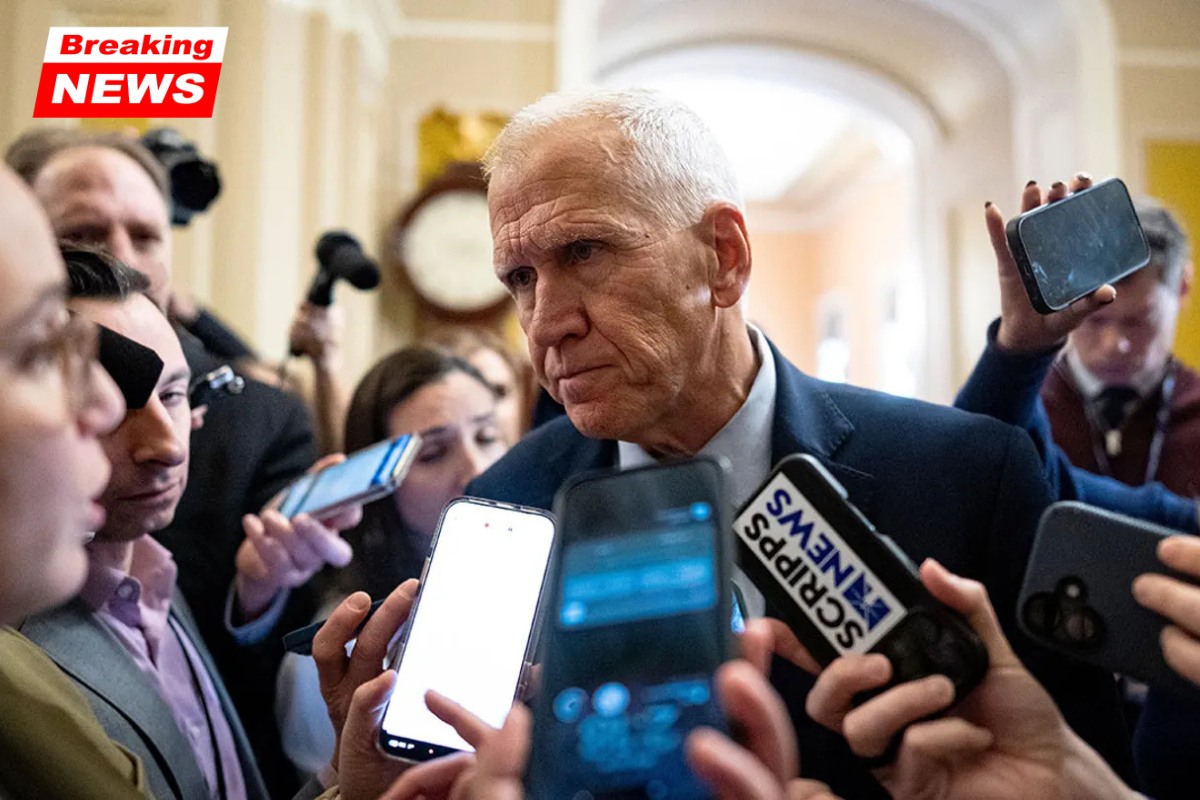
Senate Republicans are preparing for a heated debate over a Trump-backed voter ID bill, but not everyone in the party is on board. In a surprising move, Republican Senator Thom Tillis of North Carolina has said he will oppose the legislation. His decision could complicate Republican plans to put pressure on Democrats during what is expected to be a long and intense Senate floor battle.
What Is the SAVE America Act?
The bill at the centre of this controversy is the Safeguarding American Voter Eligibility (SAVE) America Act. It focuses mainly on strengthening voter ID requirements across the country.
Supporters say the bill aims to:
- Prevent non-citizens from voting
- Increase trust in elections
- Improve voter verification systems
President Donald Trump has strongly backed the proposal and urged Republicans to push it forward aggressively in the Senate.
However, critics argue that stricter voter ID laws could make it harder for some eligible voters to cast ballots, especially those who rely on mail-in voting.
Why Is Sen. Thom Tillis Opposing It?
Thom Tillis has made it clear he will vote “no” and even try to prevent the bill from moving forward.
Tillis said that if Republicans are serious about voter ID, they should take a different approach. Instead of imposing a national requirement, he suggested:
- Offering federal funding to states that adopt voter ID laws
- Using federal funds for election oversight
- Letting states decide how to manage their systems
He criticised what he described as copying language directly from the White House without fully considering how it would affect individual states.
What Changes Sparked Concern?
According to Tillis, the updated version of the bill includes additional provisions beyond voter ID, such as:
- Banning mail-in ballots with limited exceptions
- Blocking transgender surgeries for minors
- Restricting men from competing in women’s sports
Tillis believes these additions make the bill politically and procedurally risky, especially for senators facing re-election.
How Does This Affect Senate Strategy?
John Thune, the Senate Majority Leader, has planned a floor strategy that allows for extended debate and multiple amendments. The idea is to put Democrats in a tough position by forcing them to vote on controversial proposals.
However, because Republicans do not have complete unity, they cannot bypass Senate rules with a simple majority. That means the bill is unlikely to pass unless they gain some Democratic support.
Chuck Schumer, the Senate Minority Leader, and most Democrats are expected to oppose the measure.
Adding to the challenge:
- Lisa Murkowski, another Republican, also opposes the bill.
- John Fetterman has said he would not support the bill in its current form.
With such narrow margins, even one or two defections can block debate from moving forward.
Why Is This Debate Important?
Voter ID laws have long been a major political issue in the United States. Supporters argue they protect election integrity. Opponents say there is little evidence of widespread voter fraud and that strict rules can discourage participation.
Here’s a quick overview:
| Issue | Republican View | Democratic View |
|---|---|---|
| Voter ID | Protects elections | May restrict access |
| Mail-in Voting | Needs tighter control | Expands voter access |
| Federal Role | Stronger national standards | State-level control preferred |
The SAVE Act debate is not just about ID cards. It reflects larger political battles over election laws, voting access, and federal power.
What Happens Next?
Republicans are expected to bring the bill to the Senate floor for debate next week. Even if it fails, the strategy may allow them to highlight differences between the parties ahead of upcoming elections.
For Tillis and others, the focus seems to be on avoiding political risks while still addressing election security concerns.
The fight over the SAVE America Act shows how divided even one political party can be on major issues like voter ID and election reform. While President Trump is pushing hard for the bill, some Republicans like Thom Tillis believe the current version goes too far or has not been carefully designed. With slim margins in the Senate, every vote matters.
Whether the bill passes or fails, the debate highlights deeper disagreements about how elections should be managed in the United States. As the Senate prepares for a long floor battle, the outcome could shape not only election law but also party unity heading into future campaigns.