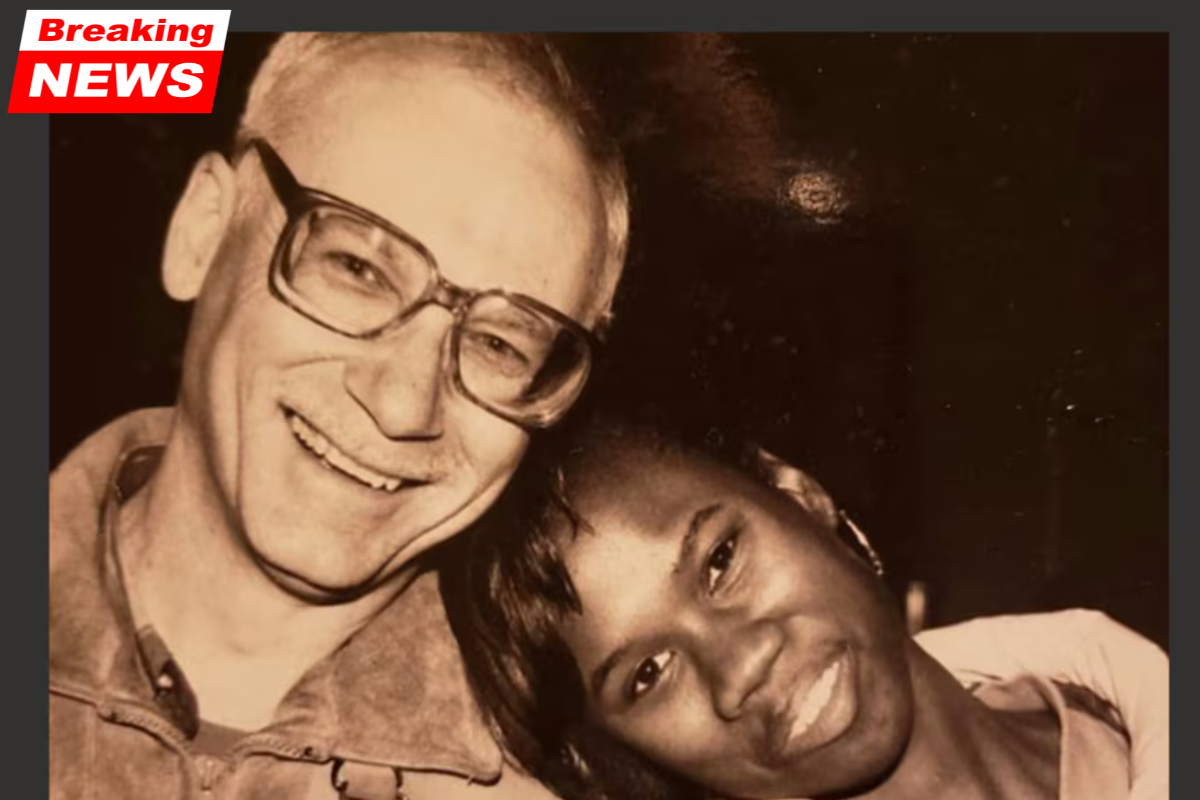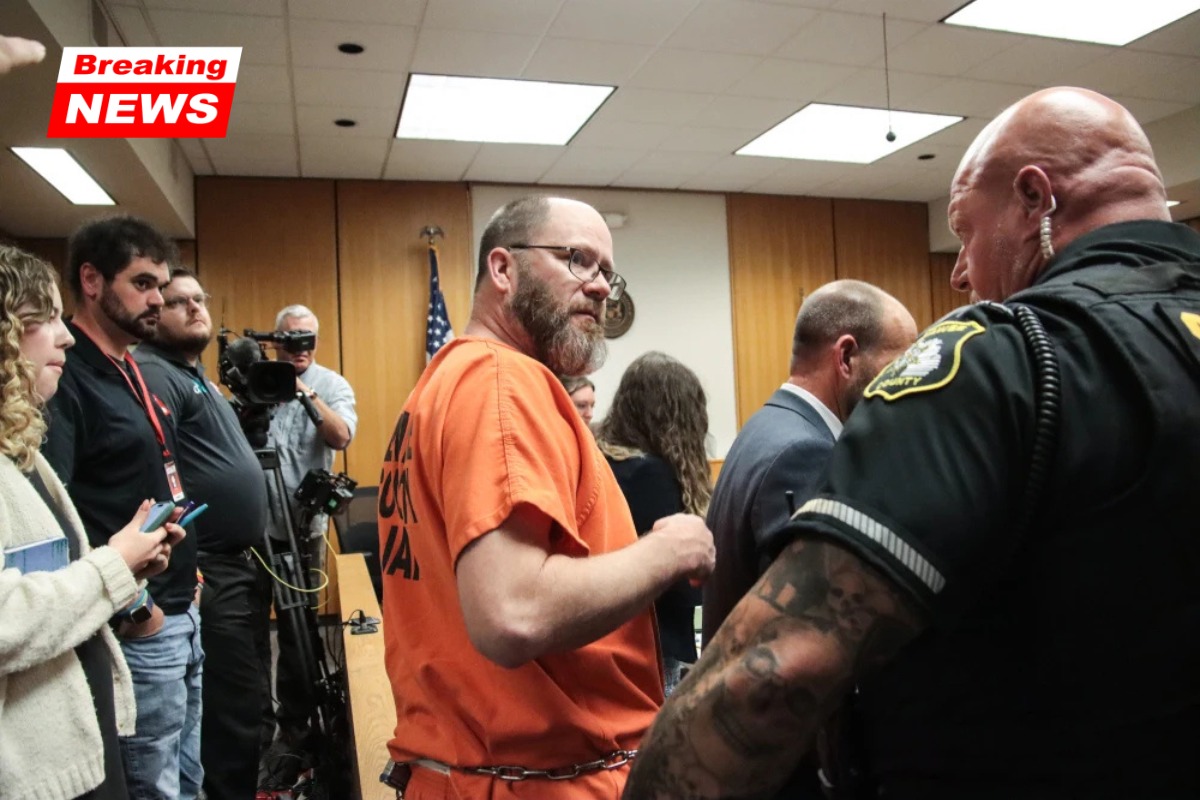
A murder case from rural Michigan has ended with a guilty verdict, bringing some closure to a family and community that spent years searching for answers. Dale Warner was found guilty of killing his wife, Dee Warner, whose disappearance in 2021 had remained a painful mystery for a long time.
The case drew major public attention, not only because of the disturbing details, but also because people in the area kept fighting for justice and refused to let her story fade away. After her remains were finally found in 2024, the case became even more heartbreaking and shocking.
Dee Warner case ends with guilty verdict
A jury in Adrian, Michigan, found Dale Warner guilty of second-degree murder and tampering with evidence in the death of his wife, Dee Warner. The verdict came years after Dee first went missing in April 2021.
Her disappearance had troubled many people in Lenawee County, which is around 70 miles southwest of Detroit. Over time, the case became widely followed through true-crime podcasts, television coverage, and public campaigns demanding justice.
The guilty verdict is a major development because investigators had to work through the case for years before they were able to recover Dee Warner’s remains and bring the matter fully to court.
What happened to Dee Warner
Dee Warner was 52 years old when she disappeared in April 2021. For a long time, police and the public searched for clues, but her body was not found during the early stage of the investigation.
In 2024, investigators finally discovered her remains inside an empty farm fertilizer tank in rural Michigan. Reports said there was a handwritten tag on the side of the tank that read “out of service” and “do not fill.”
That discovery gave the case a major breakthrough. It also deeply shocked the public because of the condition and location in which her remains were found. What had already been a tragic missing person case then became a confirmed murder case with horrifying details.
An autopsy later revealed that Dee Warner had been strangled and had also suffered blunt force trauma. These findings played a major role in helping prosecutors explain the violent nature of her death.
Prosecutors described a deliberate act
During the trial, prosecutor Jackie Wyse told jurors that Dale Warner had choices in that moment but did not choose to get help. According to the prosecution, instead of calling emergency services and admitting what had happened, he made decisions that led to Dee Warner’s death.
Wyse argued that he taped Dee Warner’s mouth and nose so she could not breathe. The prosecution used this point to show that the actions were not accidental but intentional and conscious.
The prosecutor’s argument focused on decision-making. She told jurors that each step mattered and that these were not the actions of someone trying to save a life or report an emergency. This line of argument likely helped the jury understand why the state believed Dale Warner was responsible for murder and not simply connected to a suspicious death.
Defense said there was reasonable doubt
Dale Warner’s defence team pushed back strongly during the trial. Defence lawyer Mary Chartier argued that the case still had reasonable doubt and reminded jurors that there was no direct physical evidence linking him to Dee Warner’s death.
She also said that Dale Warner had spoken regularly with investigators during the search for his wife and had consistently denied harming her. The defence tried to show that suspicion alone should not be enough for a murder conviction.
Chartier also told jurors that they were not there to judge him as a husband. Her point was that even if people believed he was not a good or caring husband, that did not automatically prove he committed murder.
This was an important part of the defence strategy. In many criminal cases, lawyers try to separate a person’s poor behaviour or troubled personal life from the specific legal question of guilt.
Troubled marriage became part of the trial
Jurors heard that Dee and Dale Warner had a troubled marriage. This became one of the key background issues in the case. While a difficult marriage does not prove murder on its own, it can become important when prosecutors are trying to show motive, tension, or a pattern of behaviour.
At the same time, the defence used this same point differently. They argued that being a poor husband or having marital issues should not lead jurors to assume guilt without solid proof.
This created a strong contrast in the courtroom. Prosecutors used the troubled relationship as part of the wider story, while the defence tried to stop jurors from letting emotion replace evidence.
Community kept demanding justice
One reason this case stayed in public discussion for so long was the strong response from the local community. Around Lenawee County, signs and banners were displayed with the message “Justice For Dee.”
That message became a symbol of public support for Dee Warner and her loved ones. People wanted answers, and they wanted the case to move forward even when years passed without a body being found.
The case also received wider attention through true-crime media, which helped keep it in the spotlight. Public interest often rises in long-running cases like this, especially when there are unanswered questions, emotional family stories, and a long wait for justice.
Why this case is important
The Dee Warner case shows how murder investigations can take years before reaching a turning point. In this matter, charges were filed even before the remains were found, which shows that investigators believed they had enough evidence to move ahead. Then, after the remains were discovered in 2024, the case became stronger in court.
It also highlights how prosecutors and defence lawyers can present the same background facts in very different ways. One side saw deliberate action and a cover-up. The other saw doubt and missing physical proof.
Most importantly, the verdict matters because it gives legal recognition to what Dee Warner’s family and supporters had been saying for years: they believed she was the victim of a violent crime and deserved justice.
The guilty verdict in the Dee Warner murder case is a major moment for her family, friends, and the Michigan community that stood by her side. After years of uncertainty, the court has now held Dale Warner responsible for her death.
Even though no verdict can undo the pain of such a loss, this decision marks an important step in the search for truth. The case also stands as a reminder that persistence by investigators, loved ones, and the wider public can keep a victim’s story alive until justice is finally delivered.