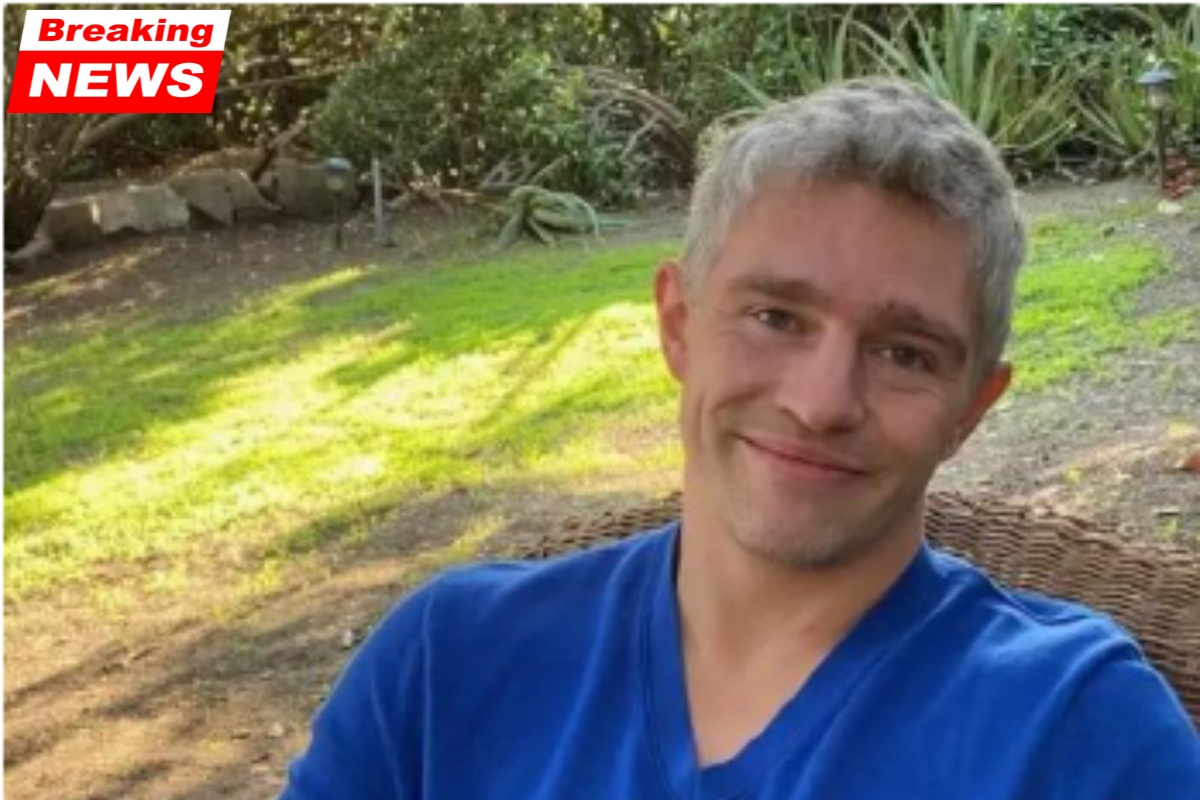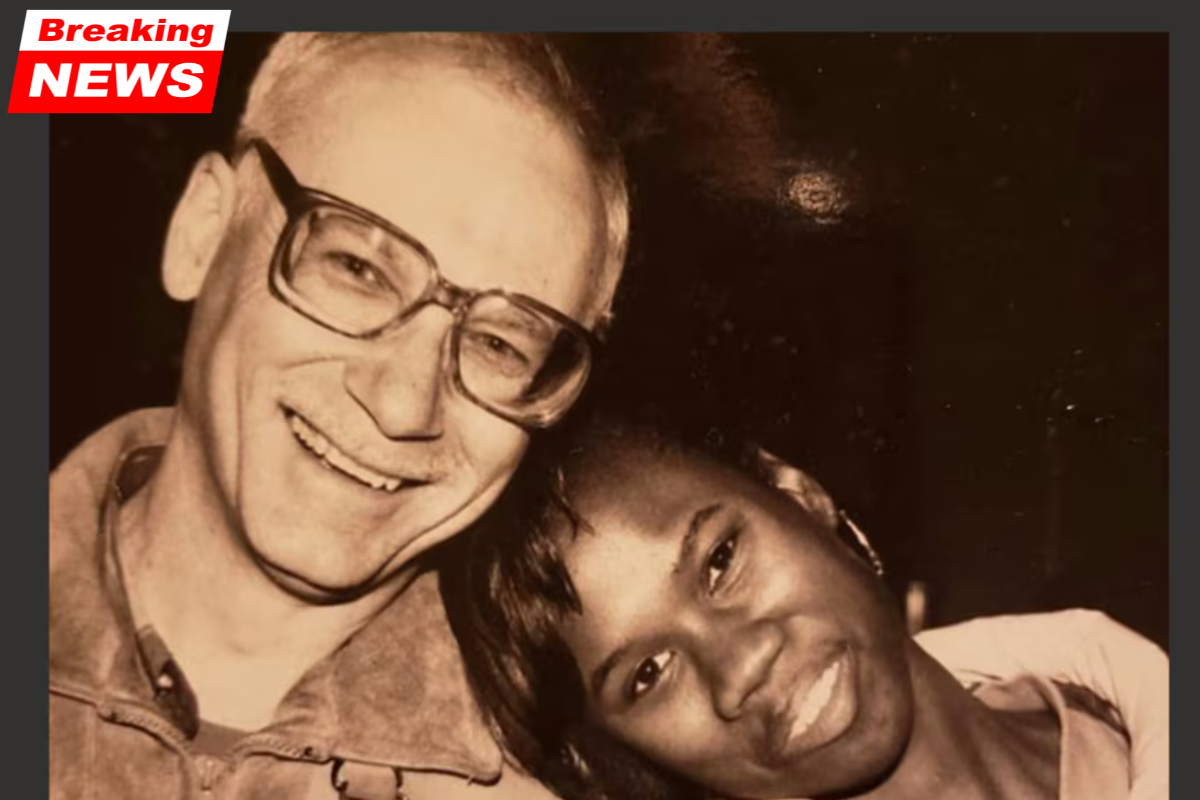
Alabama Governor Kay Ivey has commuted the death sentence of a man who spent more than three decades on death row, just days before he was scheduled to be executed. The decision spares 75-year-old Charles “Sonny” Burton from execution and changes his punishment to life in prison without the possibility of parole.
The rare act of clemency came after years of legal battles, appeals, and growing support for Burton’s case from jurors, family members, and even the victim’s daughter.
Governor Commutes Death Sentence After 30 Years
Governor Kay Ivey announced the decision on Tuesday, saying she could not allow the execution to proceed because Burton was not the person who fired the fatal shot.
Burton had been scheduled to be executed on Thursday for his role in a 1991 robbery that ended in the death of Douglas Battle.
In her statement, Ivey explained that executing Burton would be unfair because the man who actually carried out the shooting did not face the same punishment.
She said Burton will now receive life imprisonment without parole, the same sentence that was later given to the gunman.
The governor stated that the justice system must apply punishments fairly and proportionately, especially when the death penalty is involved.
The 1991 Robbery That Led to the Conviction
The case dates back to August 1991 when Burton and five other men carried out a robbery at an AutoZone store in Talladega, Alabama.
According to court records:
- Burton entered the store and purchased items before the robbery began
- Another participant, Derrick DeBruce, pulled out a gun and ordered people to the floor
- Burton forced an employee to open the store’s safe
- While the robbery was ongoing, Douglas Battle entered the store
- DeBruce argued with Battle and then shot him in the back
Burton and another accomplice were already outside the store when the gunshot occurred.
Even though he was not the shooter, prosecutors argued during the trial that Burton was the “ringleader” of the robbery.
He was convicted of capital felony murder in 1992 and sentenced to death by a jury.
Gunman’s Sentence Later Reduced
The person who fired the fatal shot, Derrick DeBruce, was also originally sentenced to death.
However, in 2014 a court reduced his sentence to life in prison without parole after ruling that his legal representation during the trial had been ineffective.
DeBruce later died in prison in 2020.
This difference in sentencing became one of the central arguments in Burton’s request for clemency.
Support for Clemency From Jurors and Victim’s Family
Burton’s request for clemency received unusual support from multiple sources.
Several jurors who participated in the original trial later said they would not have voted for the death penalty if they had known the shooter would receive a lesser sentence.
Six of the eight surviving jurors expressed no opposition to reducing Burton’s sentence to life without parole, and three openly supported clemency.
The victim’s daughter also wrote a letter supporting the request.
She said executing Burton would not help her heal and that her father valued peace rather than revenge.
Her letter stated that it was troubling to think that an elderly man could be executed decades later, especially given concerns about his legal representation.
Health Issues and Long Time on Death Row
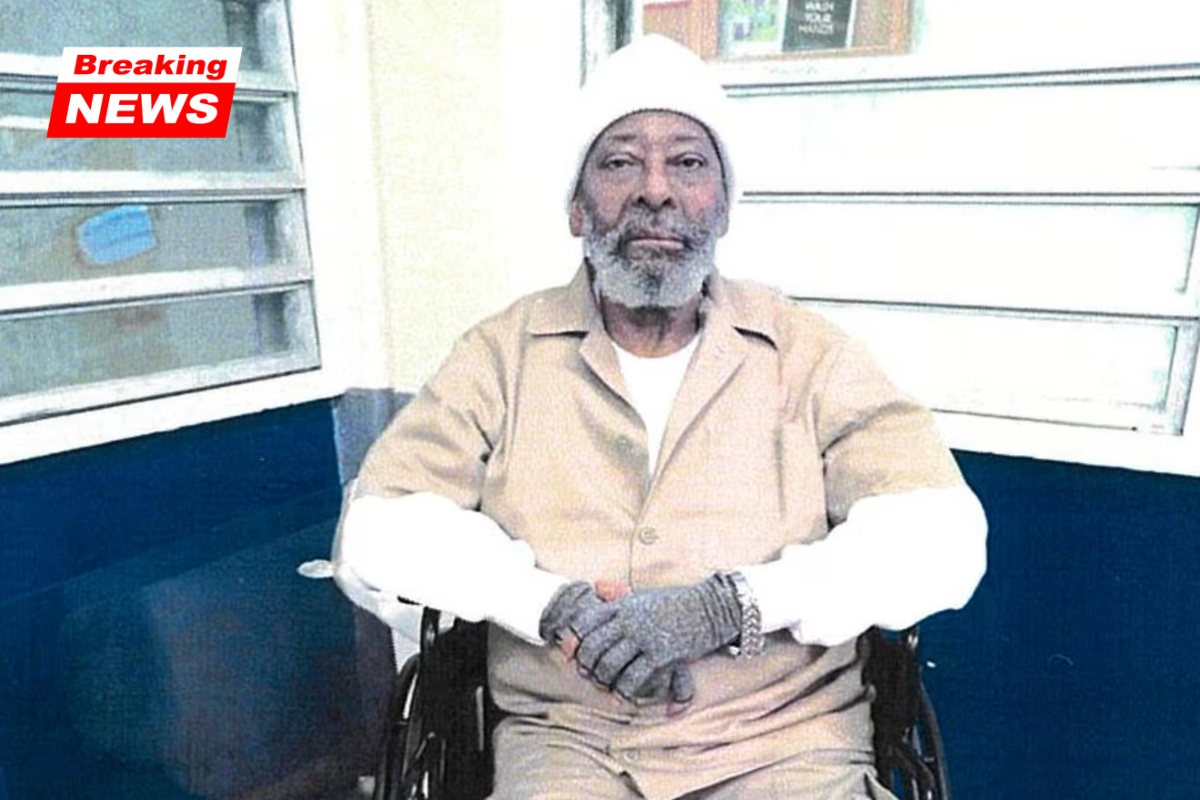
Burton is now 75 years old and suffers from multiple health problems.
His clemency petition noted several medical conditions, including:
- Rheumatoid arthritis that limits his mobility
- A recent stroke
- A mental health diagnosis classified as serious mental illness
Because of these health issues, he now uses a wheelchair.
Family members argued that Burton had changed during his decades in prison and deserved mercy.
A Rare Use of Clemency in Alabama
Clemency is extremely rare in Alabama.
According to the Death Penalty Information Center, fewer than half of one percent of people sentenced to death in the state have been granted clemency.
Governor Ivey herself has presided over 25 executions during her time in office and has rarely intervened in death penalty cases.
In explaining her decision, she said that while she supports the death penalty for the most serious crimes, it must always be applied fairly.
Burton Reacts to the Decision
After learning that his death sentence had been commuted, Burton expressed gratitude to the governor.
Through his lawyer, he said a simple “thank you” was the only thing he could offer.
His attorney described the moment Burton heard the news as emotional.
According to the lawyer, Burton cried and said he was grateful that his life would end naturally rather than through execution by the state.
Looking Toward the Future
Burton has spent more than 30 years on death row.
During that time, he has taken responsibility for participating in the robbery and has apologized to the victim’s family.
He has also expressed a desire to use his story to warn young people about the consequences of crime.
If given the opportunity, Burton said he hopes to help guide younger generations away from making the same mistakes he did.
Governor Kay Ivey’s decision to commute Charles Burton’s death sentence marks a rare moment of clemency in Alabama’s justice system. Burton, who spent more than three decades on death row, was convicted for his role in a robbery that ended in murder, even though he did not fire the fatal shot.
The fact that the gunman later received a lesser sentence raised serious concerns about fairness and proportional punishment. With support from jurors, family members, and even the victim’s daughter, the governor ultimately decided that executing Burton would be unjust.
The decision not only saves Burton’s life but also highlights the ongoing debate about the application of the death penalty in cases involving accomplices.