
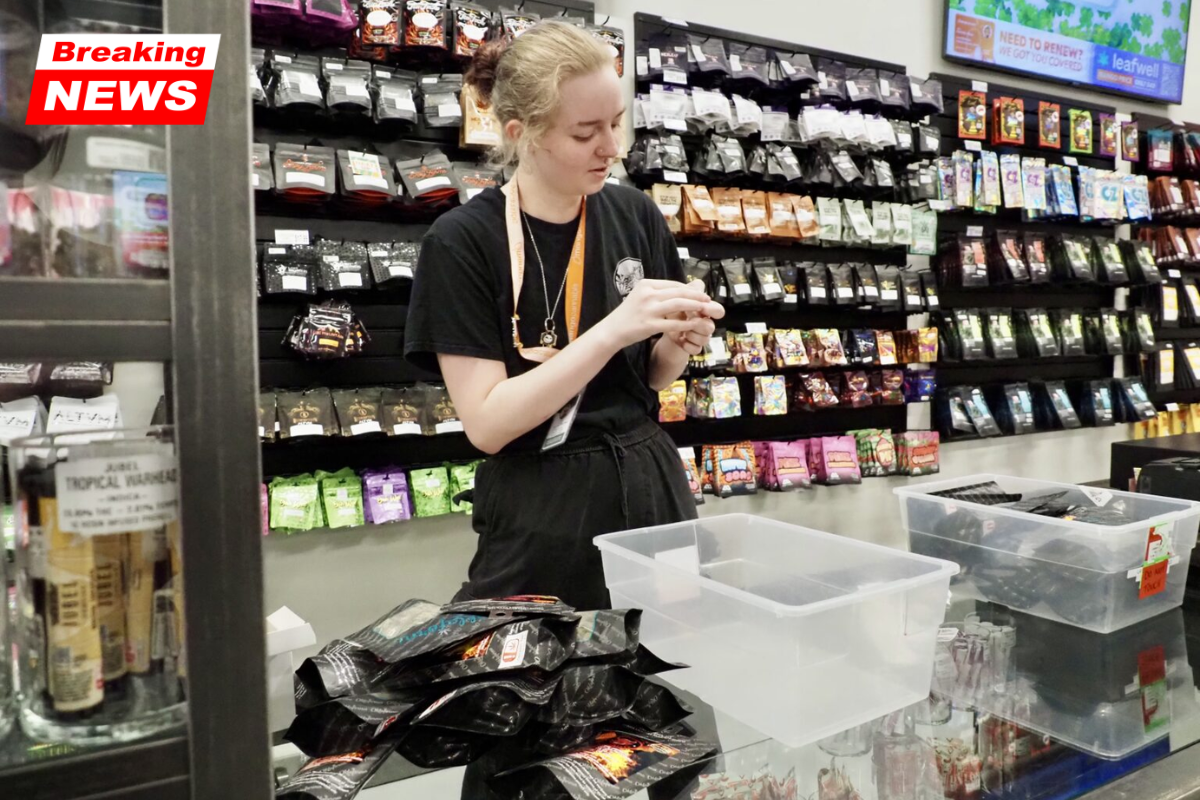
In 2018, Oklahoma voters approved medical marijuana through a statewide ballot measure. Since then, the industry has grown rapidly, creating thousands of businesses and jobs across the state. One example is Mango Cannabis, a company that expanded from a small investment into a large business with multiple locations.
However, the future of Oklahoma’s medical marijuana industry has recently come into question after Governor Kevin Stitt suggested shutting it down completely. The idea has sparked strong reactions from business owners, lawmakers, and patients who depend on medical cannabis.
Growth of Medical Marijuana Businesses in Oklahoma
After voters approved medical marijuana in 2018, entrepreneurs quickly entered the industry. Mike Khemmoro and his business partner invested their life savings to start Mango Cannabis.
Today, Mango Cannabis operates 10 dispensary locations in cities such as:
- Bixby
- Catoosa
- Edmond
- Enid
- Lawton
- Norman
- Oklahoma City
- Tulsa
The company now employs more than 300 people. It is one of over 4,300 licensed marijuana businesses operating in Oklahoma.
According to Khemmoro, shutting down the industry would seriously harm businesses like his.
If the state eliminates medical marijuana, most of Mango Cannabis’ locations would close, which he described as a “death blow” to the company.
Governor Kevin Stitt Calls for Industry Shutdown
During his State of the State address, Governor Kevin Stitt proposed ending Oklahoma’s medical marijuana program. He asked lawmakers to send a ballot measure to voters that would make medical marijuana illegal again.
Stitt described the marijuana industry as one of the biggest threats to public safety in the state.
His office claims that legalization has led to problems such as:
- Illegal marijuana growing operations
- Cartel activity
- Human trafficking in some areas
However, data about these claims remains unclear. The Oklahoma State Bureau of Investigation changed how it tracks marijuana-related crimes in 2021, making it difficult to compare crime levels before and after legalization.
In 2025, authorities reported just over 7,000 incidents involving marijuana seizures.
Concerns About Shutting Down Legal Businesses
Industry advocates say closing the medical marijuana program would create major legal and economic problems.
Jed Green, director of Oklahomans for Responsible Cannabis Action, said many people have spent years building the industry while lawmakers created new regulations.
He believes eliminating the program would undo years of work by businesses and lawmakers.
More importantly, medical marijuana helps thousands of patients in Oklahoma.
Patients use cannabis to manage conditions such as:
- Cancer treatment side effects
- Epilepsy
- Chronic pain
- Opioid addiction recovery
State records show that more than 315,000 people in Oklahoma currently hold medical marijuana patient licenses.
Legal Risks for the State
Oklahoma Attorney General Gentner Drummond also raised concerns about shutting down the industry.
He said the move could legally count as a “taking” of businesses. This happens when government actions make it impossible for companies to continue operating and earning money.
If that occurs, the state may have to compensate business owners for their financial losses.
Drummond said Oklahoma might have avoided this problem if stronger regulations had been in place when medical marijuana first became legal.
Currently, the state has nearly 1,500 licensed marijuana grow facilities.
Some Business Owners Already Leaving the Industry
Not all business owners believe the industry is stable.
Bruce Williams from Blanchard said his family invested over $1 million into medical marijuana businesses, including:
- Three dispensaries
- Three grow operations
- Two testing labs
However, he gave up all his licenses in February.
Williams said constant regulatory changes and financial pressure made it difficult to continue.
He described the situation as a “lose, lose, lose” scenario for many businesses.
Now he plans to convert his former marijuana farm into a self-sustaining agricultural operation.
Despite leaving the industry, Williams still believes the medical marijuana program could benefit Oklahoma if managed properly.
Economic Impact of Medical Marijuana
Medical marijuana has generated major revenue for Oklahoma.
According to the Oklahoma Medical Marijuana Authority (OMMA):
- Over $670 million in retail marijuana sales were reported in 2025
- Wholesale sales exceeded $1.1 billion
The industry also produces tax revenue that supports several programs.
Medical marijuana taxes fund:
- Substance abuse treatment programs
- Public education
- State and local government services
In the 2025 budget year alone:
- More than $60 million came from state and local sales taxes
- An additional $47 million came from excise taxes
Patient licensing fees have also generated hundreds of millions of dollars for the state.
Lawmakers Show Limited Support for Shutdown
Many state lawmakers do not support eliminating the program.
Senate President Pro Tem Lonnie Paxton said he does not expect a proposal to repeal medical marijuana to gain enough support in the legislature.
He emphasized that voters approved the program in 2018 and that lawmakers should respect that decision.
Instead of ending the industry, Paxton believes the state should focus on enforcing existing regulations.
House Speaker Kyle Hilbert expressed a similar view. He noted that voters approved medical marijuana but rejected recreational marijuana proposals.
Lawmakers should ensure the program remains focused on medical use rather than recreational consumption.






