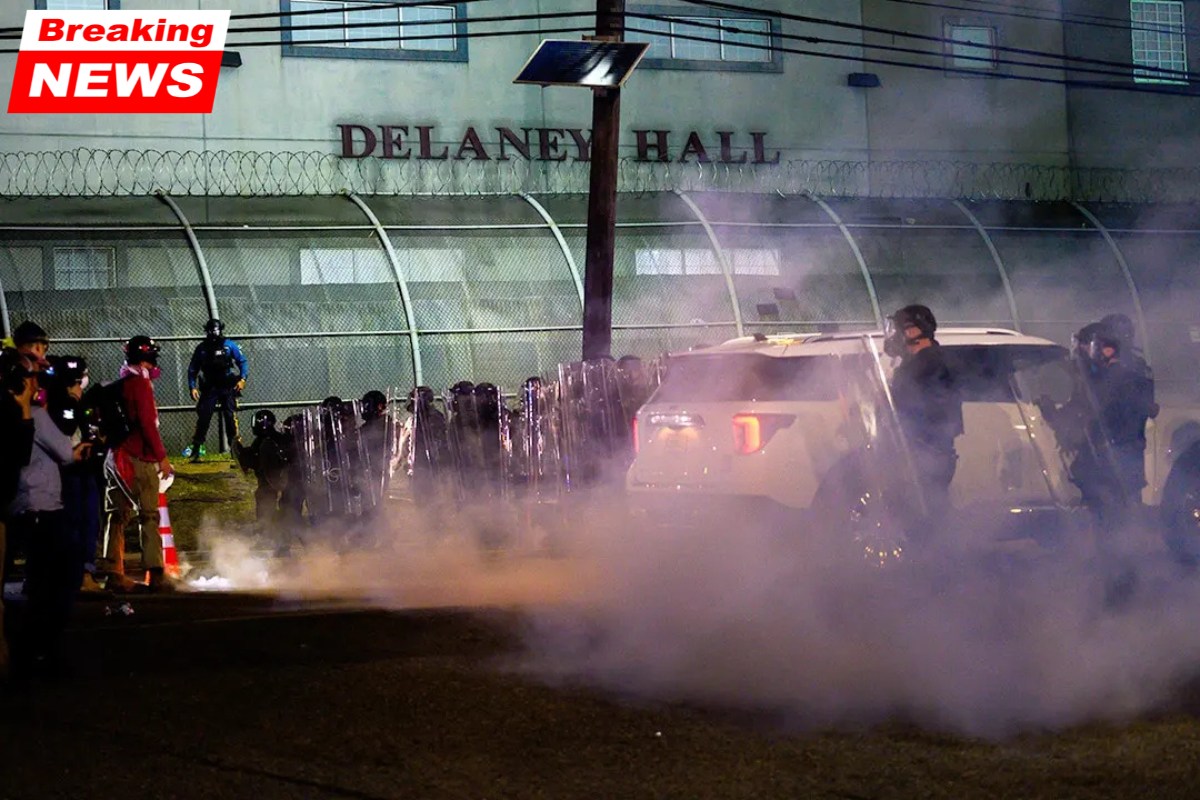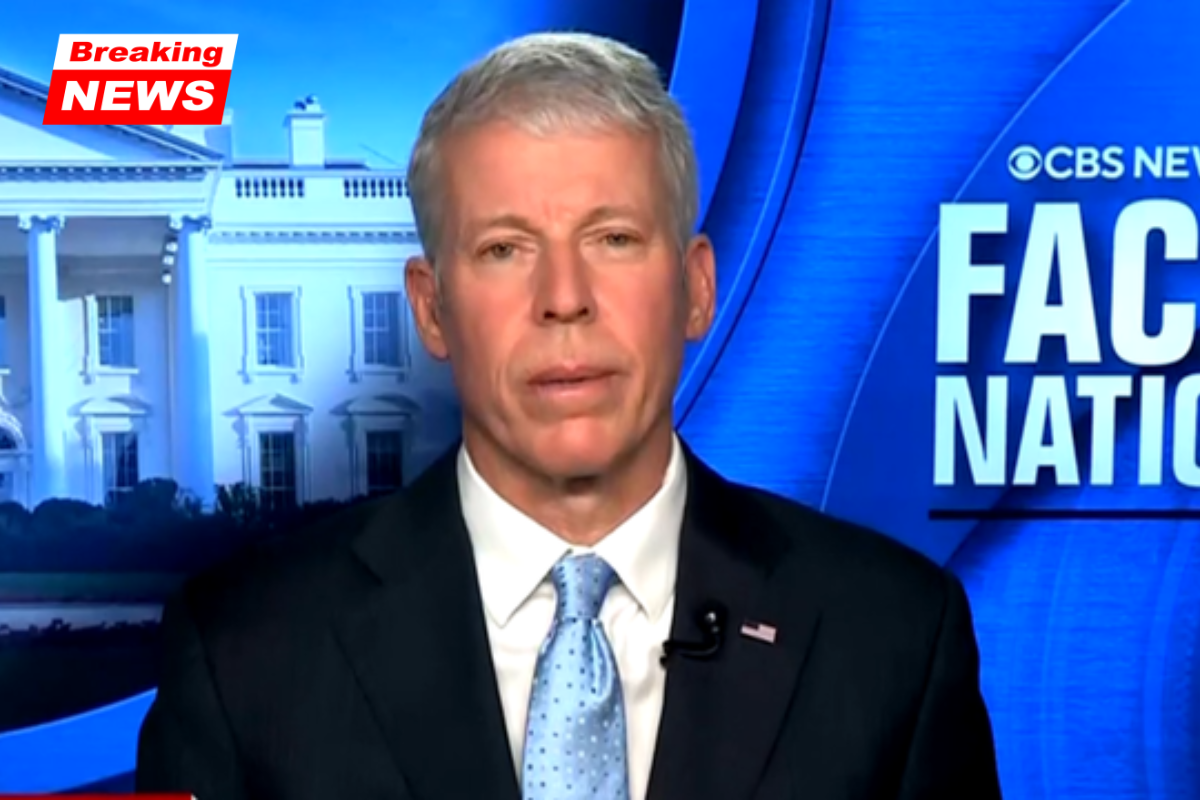
Energy Secretary Chris Wright said the recent spike in energy prices caused by the escalating war with Iran is expected to be temporary, as the global oil supply remains strong despite disruptions in the Middle East.
Energy Secretary Says Price Surge Will Be Temporary
U.S. Energy Secretary Chris Wright said Sunday that rising fuel and energy prices linked to the ongoing conflict with Iran will likely not last long.
Speaking on the CBS program Face the Nation with Margaret Brennan, Wright said the current increase in energy prices represents only a short-term disruption.
“We have a temporary period of elevated energy prices, but it will not be long,” Wright said.
He emphasized that the situation is expected to stabilize quickly even as the war enters its second week.
Gas Prices Rise as Conflict Escalates
The war in the Middle East has already had an impact on fuel costs for consumers.
According to data from AAA, gas prices in the United States have risen by about 14% over the past week. The national average reached $3.45 per gallon on Sunday after dropping below $3 per gallon in December.
Despite the increase, Wright said he does not expect prices to climb much higher.
“Gas prices shouldn’t go much higher than they are here, because the world is very well supplied with oil,” he said.
Global Oil Supply Remains Strong
Wright stressed that there is no actual shortage of oil, particularly in the Western Hemisphere.
He noted that the United States is currently a net exporter of oil and a major exporter of natural gas. According to Wright, the main issue affecting prices is the disruption of normal crude oil shipments to refineries in Europe and Asia.
“There’s no energy shortage at all in the Western Hemisphere,” Wright said.
He added that global energy reserves remain high and that much of the current market volatility is driven by fear that the war could last longer than expected.
Strait of Hormuz Disruptions Impact Oil Shipments
The conflict has significantly disrupted oil shipments passing through the Strait of Hormuz, a critical waterway for global energy supplies.
Normally, around 20% of the world’s oil shipments travel through the strait. However, the war has reduced the flow of oil and liquefied natural gas through the route.
Wright said the situation could improve relatively soon, though increased protection from U.S. military forces may be required to secure shipping routes.
“I think in the relatively near term, you’re going to see their capacity so low that we’ll see more normal ship traffic return to the Strait of Hormuz,” he said.
Administration Says War Could Stabilize Energy Markets
Wright argued that the military operation against Iran could ultimately lead to more stable energy markets and lower prices.
He said weakening Iran’s ability to threaten regional infrastructure and shipping routes could reduce long-term risks to global energy supplies.
According to Wright, the bigger danger to energy prices would have been allowing tensions with Iran to continue unchecked.
“This is actually part of the effort to grow the global energy supply,” he said.
Strategic Petroleum Reserve Still an Option
Although the Trump administration has resisted calls to release oil from the Strategic Petroleum Reserve, Wright said the option remains available if necessary.
“We’re more than happy to use that if it’s needed,” he said.
However, he suggested that global markets currently have other sources of supply that could help stabilize prices.
Russian Oil Seen as Short-Term Supply Solution
Wright also pointed to untapped Russian oil as a potential short-term solution for refineries struggling with supply disruptions.
He said more than 100 million barrels of Russian oil could help ease pressure on global markets.
Last week, the U.S. Treasury Department allowed India to continue purchasing crude oil and petroleum products from Russia until April 4. Officials described the waiver as a temporary measure designed to reduce pressure on global oil markets.
Wright said the move was a pragmatic step rather than an effort to support Russia’s energy sector.
“We’re not helping Russia by just accelerating the sale of their oil to stop the rise of energy prices,” Wright said.
Officials Expect Short-Term Market Volatility
Despite rising fuel prices and shipping disruptions, Wright said the current situation is expected to be temporary.
He emphasized that the administration believes the conflict will not drag on for months and that markets should stabilize once tensions ease.
“This is weeks — this is not months,” Wright said.
He added that the long-term goal remains reducing regional instability and expanding global energy production.