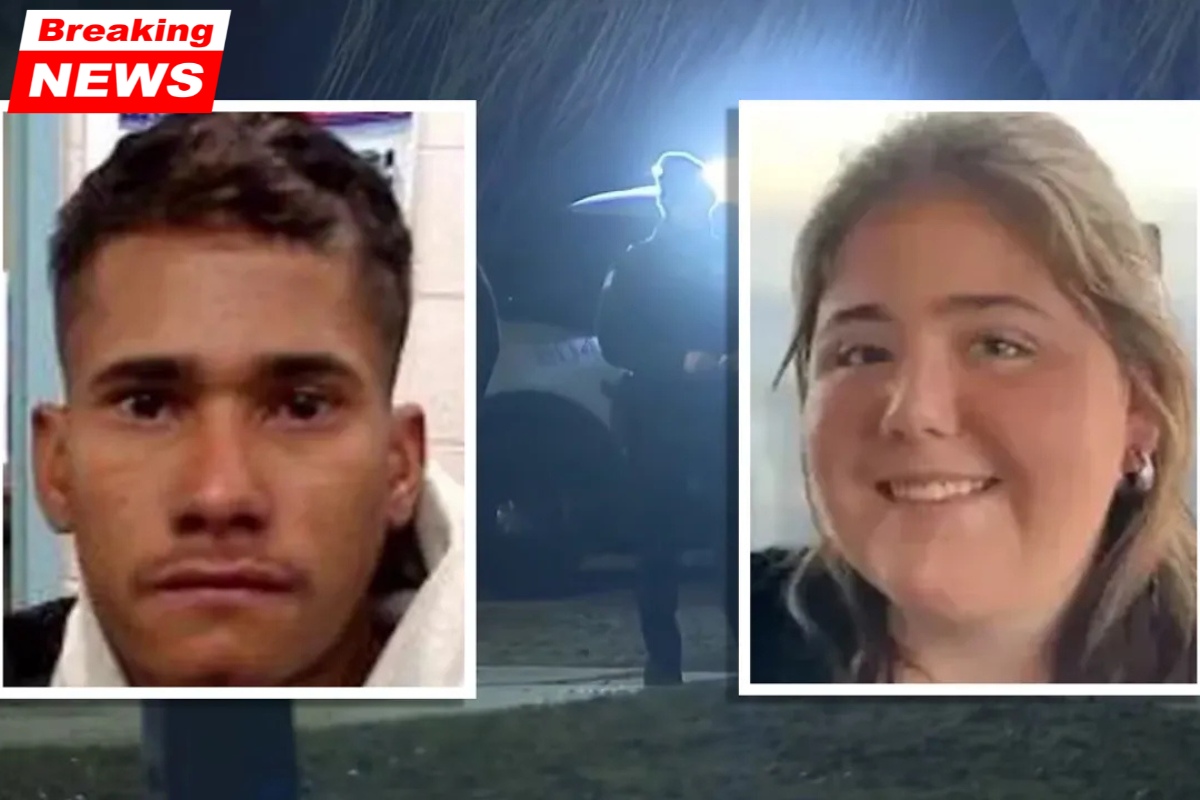
The Venezuelan illegal immigrant accused of killing Loyola University student Sheridan Gorman was caught with a weapon concealed in his pants while in custody at the Cook County Jail, authorities said. Jose Medina-Medina, 26, was found with a 6-inch shank during a pat-down on Thursday, according to the Cook County Sheriff’s Office and reported by NBC Chicago.
Staff at the Illinois lock-up had received reports suggesting that Medina possessed the weapon before the routine search just after 8 a.m. Jail officials described the shank as a “sharpened piece of metal with a handle fashioned out of medical tape.” Medina was subsequently charged with possession of contraband in a penal institution, the Cook County State’s Attorney’s Office announced on Friday. Authorities have not revealed what Medina intended to do with the weapon before it was confiscated.
Background on Sheridan Gorman’s Murder
Gorman, an 18-year-old freshman at the private Jesuit university, was fatally shot during a random attack while searching for the northern lights with friends near campus on the early morning of March 19. Medina allegedly approached the group while wearing a mask and fired a single shot, striking Gorman in the back.
Following the attack, Medina was arrested and charged with first-degree murder, attempted first-degree murder, three counts of aggravated assault/discharge of a firearm, and aggravated unlawful possession of a weapon.
He was booked into Cook County Jail on March 23 and has been held without bond since. Medina has pleaded not guilty to all charges. Illinois abolished the death penalty in 2011, meaning Medina faces a maximum sentence of life in prison without parole if convicted.
Defense Claims and Mental Health
Medina’s defense attorney argued that he suffers from cognitive impairments resulting from a previous gunshot wound to the head sustained during a robbery in Colombia, where he lived with his mother. The injury reportedly removed part of his brain and required him to relearn basic functions, including walking and talking.
“Today he has the brain development of a child,” defense lawyer Julie Koehler told a judge during Medina’s arraignment, highlighting the long-term effects of his injury.
Family Response and Policy Concerns
Sheridan Gorman’s parents have criticized U.S. immigration policies that allowed their daughter’s alleged killer to illegally enter the country in 2019 and move freely before the murder. Jessica Gorman, Sheridan’s mother, told CBS Mornings:
“I don’t care what side of the aisle politically people are on, or if you’re right in the middle like us. This can’t happen. We’ve got to make changes.”
Her father, Thomas Gorman, added:
“There’s definitely policies that contributed to this happening and we can’t save Sheridan but we can’t just not do anything.”
The family’s statements underscore the broader debate surrounding immigration enforcement, public safety, and the legal system’s ability to prevent violent crimes by undocumented individuals.
Summary Table of Key Details
| Category | Details |
|---|---|
| Suspect | Jose Medina-Medina, 26, Venezuelan illegal immigrant |
| Location | Cook County Jail, Chicago, Illinois |
| Incident | Found with 6-inch shank during pat-down |
| Charges | Possession of contraband in a penal institution; first-degree murder; attempted first-degree murder; three counts aggravated assault/discharge of firearm; aggravated unlawful possession of a weapon |
| Victim | Sheridan Gorman, 18, Loyola University freshman |
| Date of Murder | March 19 |
| Background | Medina previously shot in the head in Colombia; cognitive impairments claimed by defense |
| Custody Status | Held without bond since March 23 |
| Potential Sentence | Life in prison without parole |
| Family Response | Criticism of immigration policies; call for policy changes |
Jose Medina-Medina, accused of killing Sheridan Gorman, was discovered with a makeshift weapon in Cook County Jail, highlighting concerns about the safety of incarcerated suspects. Medina faces multiple charges, including first-degree murder and aggravated assault.
The case has drawn attention to broader issues surrounding immigration policies, criminal justice, and mental health considerations, with Gorman’s parents advocating for reforms to prevent similar tragedies.