A new national poll shows that many Americans are unhappy with how President Donald Trump is handling the ongoing conflict involving the United States, Israel, and Iran. The survey also reveals that a majority of people in the U.S. do not support the current military action against Iran.
As fighting continues during the first week of the operation, the issue has become highly debated across political parties, with strong differences in opinion between Republicans, Democrats, and independent voters.
The findings come from the latest PBS News, NPR, and Marist poll, which looked at public opinion about the conflict, the military strikes, and how Americans view the threat from Iran.
Majority of Americans oppose military action against Iran
According to the new poll, 56% of Americans say they oppose U.S. military action against Iran. Meanwhile, 44% support the strikes.
The survey was conducted shortly after a deadly Iranian drone attack targeted a command center in Kuwait. The attack killed six U.S. soldiers and increased tensions in the region.
Despite the escalation, support for military action has stayed fairly stable compared to earlier surveys taken in January, before the latest attacks began. This suggests that public opinion about using military force has not dramatically changed during the early days of the conflict.
Trump’s approval rating on Iran conflict
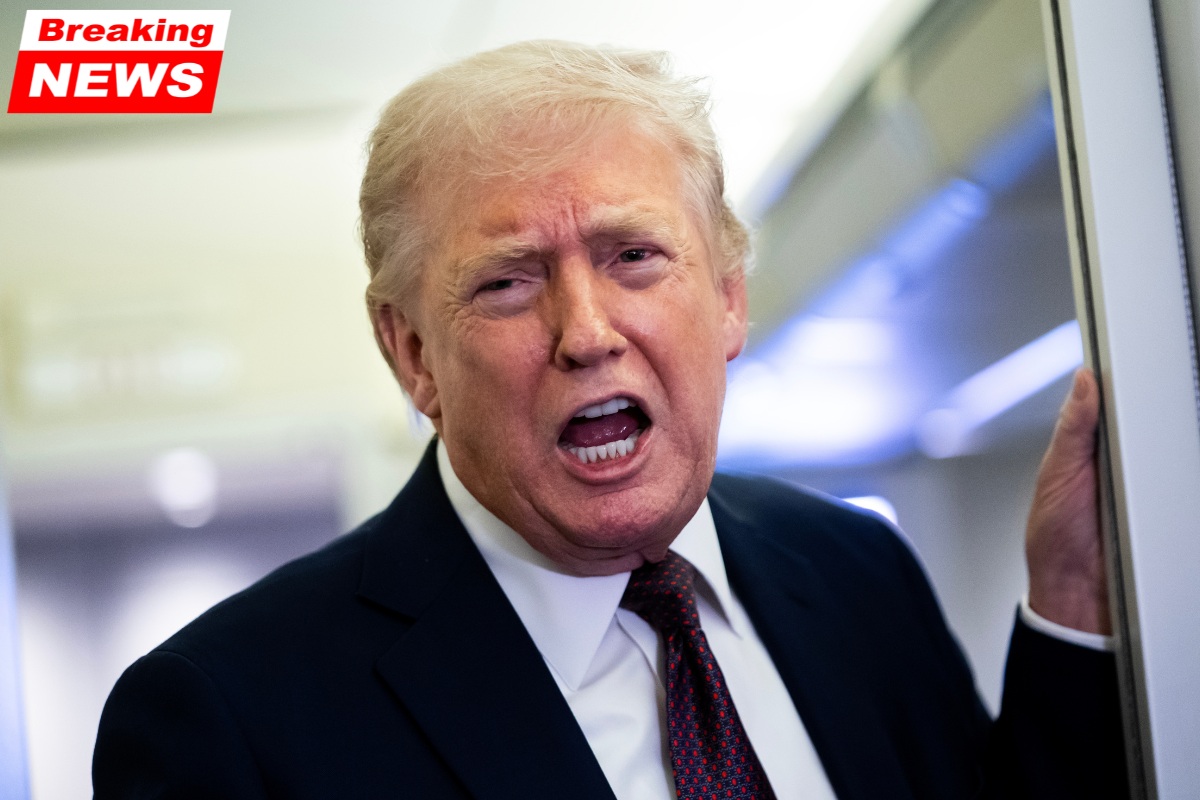
The poll also examined how Americans feel about President Donald Trump’s handling of the situation. The results show that 54% of Americans disapprove of his approach to the conflict with Iran.
Only 36% said they approve of how Trump is managing the crisis, while about 10% of respondents said they were unsure.
Trump’s approval rating on Iran-related issues has also dropped slightly compared to January 2020. At that time, tensions between the U.S. and Iran were high after a U.S. drone strike killed Iranian military commander Qasem Soleimani.
The new numbers suggest that many Americans remain concerned about how the conflict is being handled.
Strong political divide among voters
Public opinion about the conflict is sharply divided along political party lines.
Among Republicans, support for both Trump’s strategy and the military strikes is very high. About 79% of Republican voters approve of the president’s handling of the situation, while 84% support the military action against Iran.
Democrats, however, strongly disagree with the decision. Around 86% of Democratic voters oppose both Trump’s approach and the military strikes.
Independent voters also lean toward opposition. Roughly six out of ten independents say they disapprove of the president’s handling of the conflict and do not support the military operation.
These numbers show that the issue has become highly political, with opinions often shaped by party affiliation.
How Americans view the threat from Iran
While many Americans oppose military action, opinions about the threat from Iran are more mixed.
The poll found that 44% of Americans believe Iran poses a major threat to U.S. security. Another 40% consider Iran a minor threat, while 15% say it is not a threat at all.
Interestingly, the percentage of people who see Iran as a major threat has slightly decreased. Last July, about 48% of Americans considered Iran a major danger to U.S. security.
Experts say this decline may be linked to the belief that Iran’s military capabilities have been weakened after recent attacks on its nuclear and military facilities.
Civilian casualties and global concern
The conflict has also caused heavy casualties. U.S. and Israeli forces have reportedly targeted several Iranian military and government locations. During the operation, Iran’s supreme leader Ayatollah Ali Khamenei was killed.
However, the fighting has also led to significant civilian deaths. Reports suggest that more than 1,000 civilians have died during the conflict.
Among the most tragic incidents was an airstrike that hit a girls’ school, killing around 175 students and staff members. According to preliminary findings from a U.S. military investigation cited by Reuters, the strike may have been caused by an American air attack.
These events have increased international concern about the human cost of the conflict.
Debate over the reasons for war
Another major debate in the United States is about the reasons behind the military action.
President Trump has provided several explanations for the strikes. These include preventing Iran from developing nuclear weapons, stopping possible attacks on American forces, and creating regime change in Iran.
During a recent interview, Trump also suggested that U.S. actions may have pushed Israel to act sooner than planned.
Some policy experts support the decision. Retired U.S. Army Colonel Joel Rayburn, who worked on Iran policy during Trump’s earlier administration, said the operation is progressing faster than expected and is reducing the threat from Iran.
He compared the situation to defending against an attacker, arguing that even if Iran’s attacks miss their targets, the threat is still real.
Critics question the strategy
Not everyone agrees with the administration’s reasoning.
Alan Eyre, a former State Department official who helped negotiate the 2015 Iran nuclear deal during the Obama administration, has criticized the justification for the war.
He said the explanations for the conflict have been unclear and inconsistent. Eyre argued that the government has not clearly explained why the attacks were necessary or what the final goal of the military operation will be.
He also expressed concern about the limited role played by Congress in approving the military action. War powers resolutions aimed at limiting the conflict were rejected in both the House and Senate, mostly along party lines.
According to Eyre, this situation raises serious questions about how decisions related to war are being handled within the U.S. political system.
What could happen next
The future of the conflict remains uncertain. The White House has said the military operation could last between four and six weeks.
However, an internal Pentagon document reported by Politico suggests the fighting might continue for several months.
Supporters of the operation believe it could lead to long-term stability in the Middle East if Iran’s leadership and military programs are significantly weakened.
Critics, on the other hand, worry that the lack of a clear strategy could lead to a prolonged conflict with unpredictable consequences.
Public opinion may change depending on how the situation develops. If the conflict ends quickly with limited casualties, support for the operation could increase. But if the war drags on or leads to more civilian deaths, domestic political pressure on the administration may grow.
For now, the latest poll shows that many Americans remain skeptical about the military action and uncertain about the long-term outcome of the conflict.