
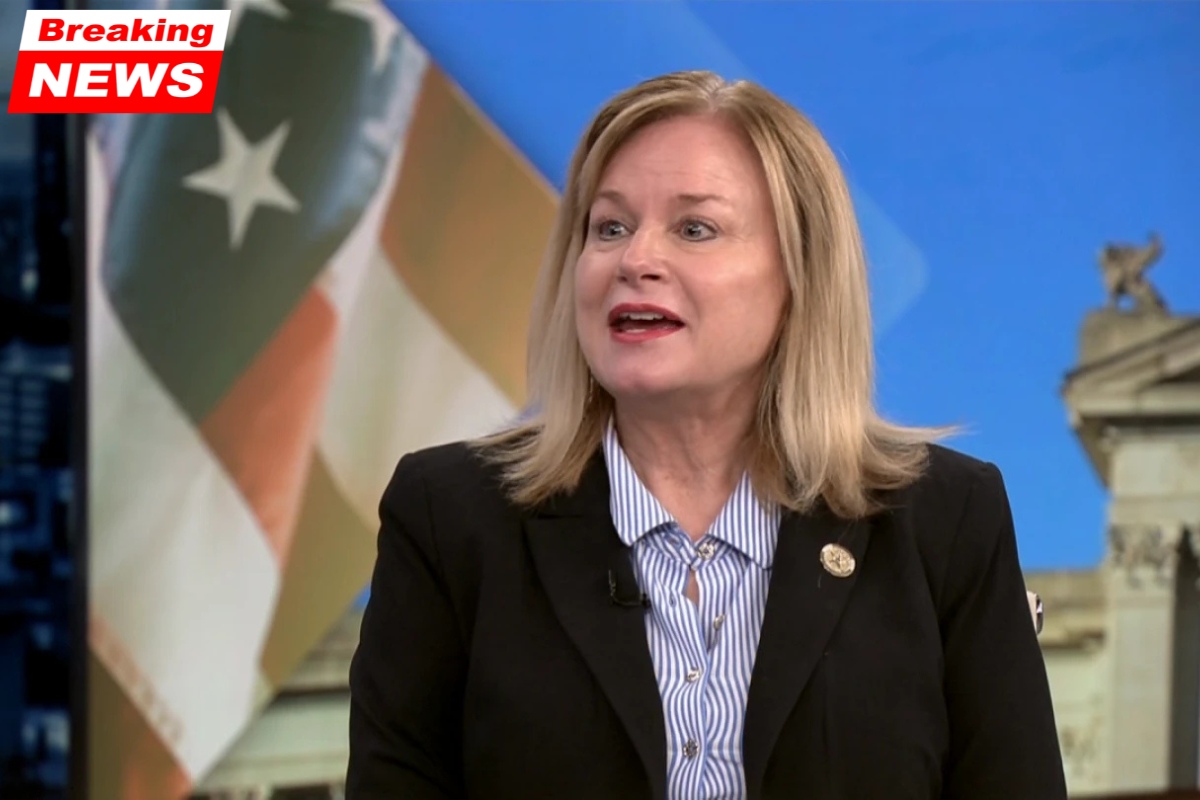
Oklahoma Labor Commissioner Leslie Osborn, a Republican who is term-limited and leaving office this year, has publicly endorsed State Question 832 (SQ 832) ahead of the June 16 vote. She argues the measure would raise the state’s minimum wage, help workers earn a living wage, reduce reliance on government assistance programs, and boost consumer spending.
What State Question 832 Proposes
SQ 832 would gradually increase Oklahoma’s minimum wage from $7.25 per hour to $15 per hour by 2029:
- $12 per hour in 2027
- $13.50 per hour in 2028
- $15 per hour in 2029
Beginning in 2030, the wage would automatically adjust each year based on the U.S. Department of Labor’s Consumer Price Index for Urban Wage Earners and Clerical Workers. This ensures that wages keep pace with inflation.
The proposal also removes exemptions in the current Oklahoma Minimum Wage Act (OMWA), which previously excluded part-time employees, students under 18, farm and agricultural workers, domestic service workers, newspaper carriers, and feedstore employees.
Federal and state employees, volunteers, very small employers (ten or fewer employees with gross revenues under $100,000), certain executive or sales roles, and reserve deputy sheriffs remain exempt. Counties, municipalities, and school districts would be included, potentially creating fiscal implications for the state.
Osborn’s Rationale for Supporting SQ 832
Osborn cited her eight years of experience as Labor Commissioner, noting that many minimum wage workers are adults supporting families, not just teenagers with first jobs:
“So many people have the misnomer that this is just teenagers with their first job, but it’s really not that way. We see quite a few people that are affected.”
She emphasized the current $7.25 minimum wage has not increased in 17 years, creating a gap between wages and rising living costs for groceries, gas, rent, and other essentials:
“You absolutely cannot pay the gas to get to a job, have an apartment, and live extremely frugally. You’re going to have to rely on government programs.”
Osborn highlighted the human impact of low wages:
“When you look at $7.25, when you see the amount of people with children, over 200,000 kids across the state will be affected…These are people that are going to bed hungry. They are having to use government assistance that they don’t want to, often working multiple jobs over 40 hours a week.”
Economic and Business Perspective
Osborn argued that raising wages benefits local businesses, as employees will spend more on goods and services:
“The demographic making these lower wages is not going to send it to their Wall Street account. They’re going to spend it…going to restaurants, small businesses, and Main Street. It’s a full circle.”
She also noted that neighboring red states, such as Arkansas, Missouri, and Nebraska, have already implemented minimum wage increases without negative effects on small businesses:
“We heard the same things: this will shut down small businesses, people will be affected. It didn’t. Instead, those businesses are thriving because people have more spending power to put into the economy.”
Partisan Considerations
Osborn emphasized that minimum wage should not be a partisan issue:
“Public schools should never have been a partisan issue. Good education, mental health care access, and a living wage should never be partisan. It’s a humanity issue.”
She noted that other Republicans privately support SQ 832 but have hesitated to publicly endorse it due to political polarization:
“We are living in a time when people are scared to talk out… I promise you I have talked to multiple Republicans, elected Republicans, that are very supportive of this, but they just have been hesitant to make a stand.”
Osborn also framed the measure as aligning with Republican principles of independence and self-sufficiency:
“As a Republican, we should want people, and I know that so many of these people that make minimum wage want, to stand on their own two feet…This is actually a Republican type issue if you want to look at it in a partisan way. People wanting to stand on their own two feet and make a living wage. We’re not talking about uber wealth, we’re talking about dignity.”
Ballot Text for Voters
Voters will see the following language on their ballots:
“This measure amends the Oklahoma Minimum Wage Act (“OMWA”) under the Oklahoma Statutes to increase the state minimum wage. Employers must pay employees at least $9 per hour beginning in 2025, increasing $1.50 annually for a final rate of $15 per hour in 2029. Beginning in 2030 and continuing indefinitely, the minimum wage would automatically increase annually based on the increase in the cost of living, if any, as measured by the U.S. Department of Labor’s Consumer Price Index for Urban Wage Earners and Clerical Workers…This measure eliminates several exemptions in the current OMWA…Federal and state employees will not be covered under the OMWA…counties, municipalities, and school districts are included, which may have a fiscal impact on the State.”
Summary Table of Key Facts
| Aspect | Details |
|---|---|
| Labor Commissioner | Leslie Osborn (R), term-limited |
| Measure | State Question 832 |
| Election Date | June 16, 2026 |
| Proposed Minimum Wage | $12/hour (2027), $13.50/hour (2028), $15/hour (2029) |
| Inflation Adjustment | CPI-based from 2030 |
| Coverage Expansion | Part-time, students, farm/agricultural workers, domestic service, newspaper carriers, feedstore employees |
| Exemptions | Federal/state employees, volunteers, very small employers, certain executives, reserve deputy sheriffs |
| Fiscal Impact | Possible revenue increase or service reduction for counties, municipalities, and school districts |
| Osborn’s Key Arguments | Living wage, reduced reliance on assistance, boosts local economy, dignity for workers, Republican-aligned principles |
| Neighboring Red States | Arkansas, Missouri, Nebraska successfully increased wages without harming small businesses |
Oklahoma Labor Commissioner Leslie Osborn has publicly endorsed SQ 832, highlighting its potential to provide a living wage, strengthen families, and stimulate the state economy.
The measure aims to raise the minimum wage to $15 per hour by 2029, tie future increases to inflation, and expand coverage to previously excluded workers.
Osborn emphasized that the policy transcends party lines, promoting both economic independence and dignity for Oklahoma workers while supporting local businesses through increased consumer spending.






