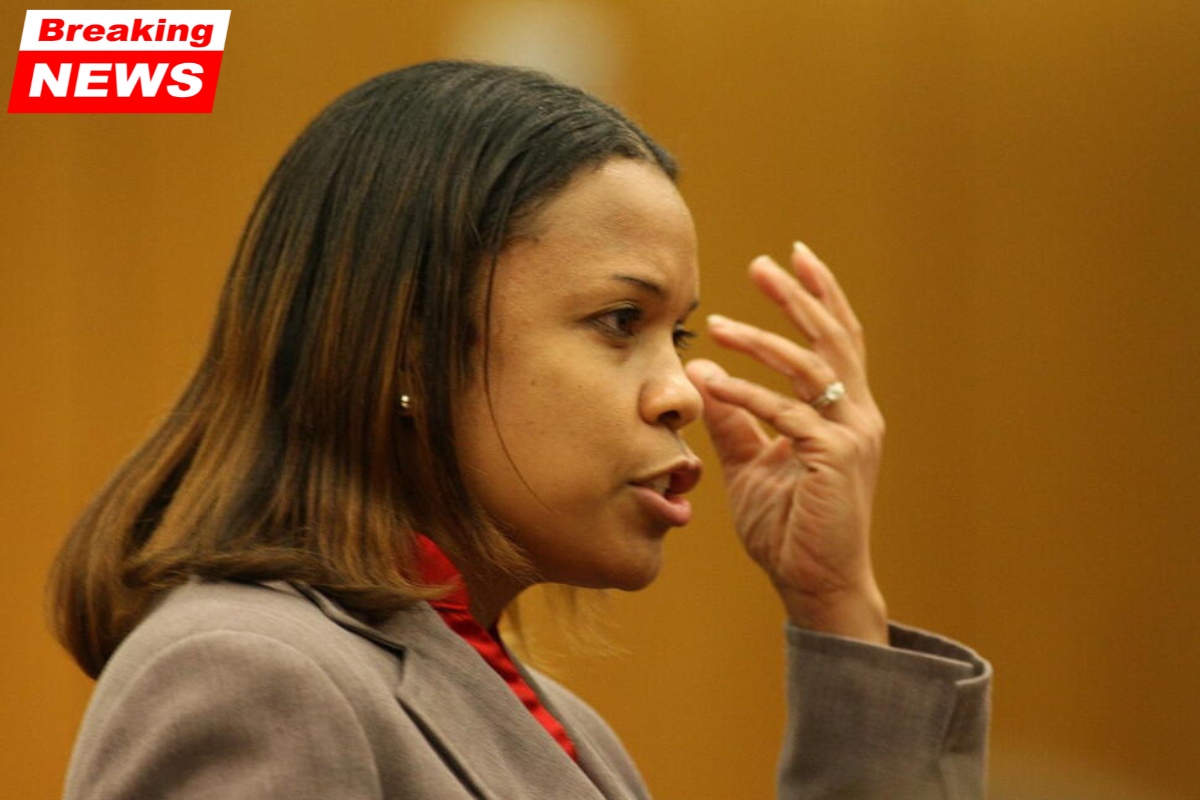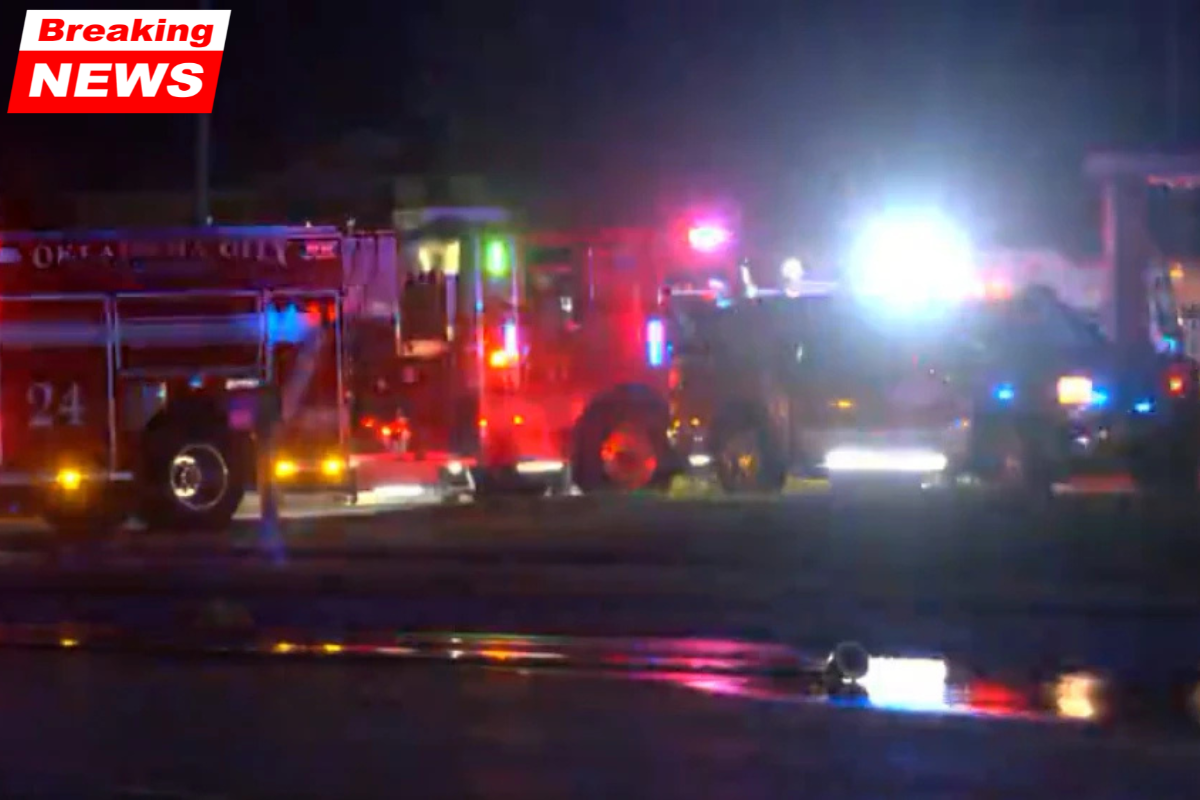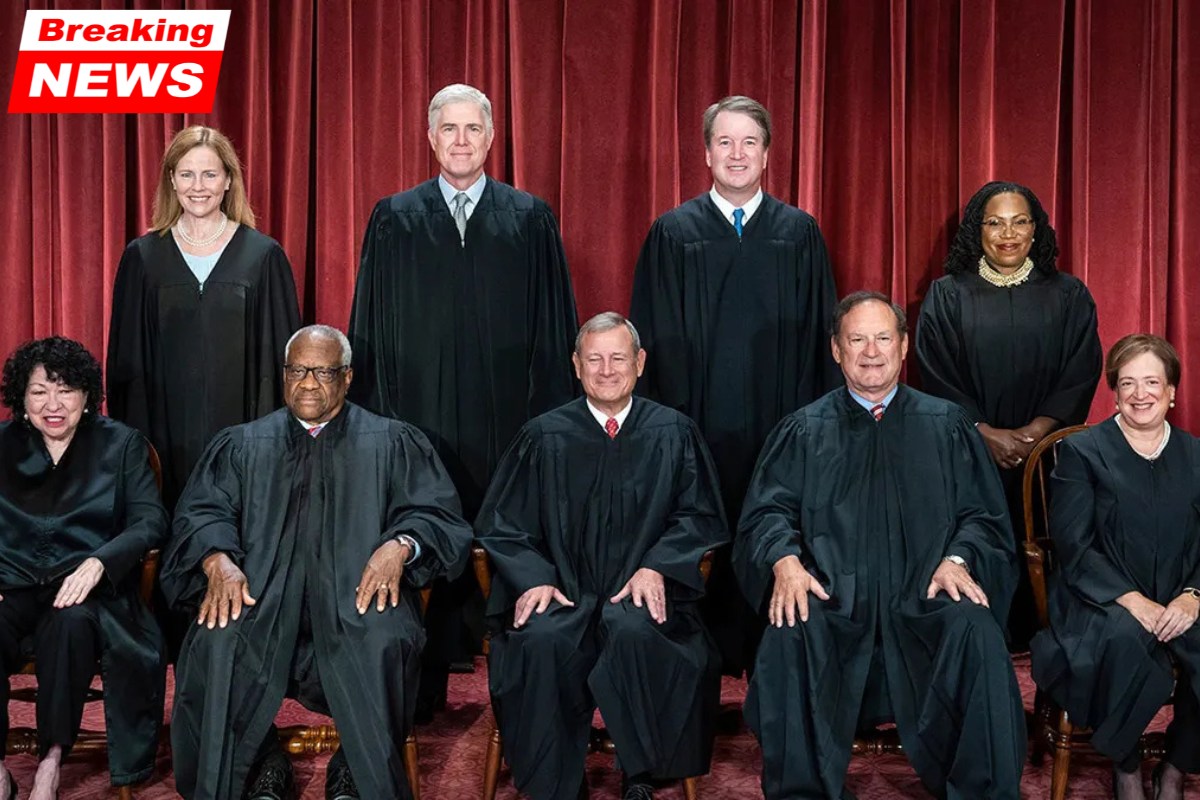
Police responded to a “swatting call” at the residence of Supreme Court Justice Amy Coney Barrett in Virginia on Wednesday evening, marking the latest security scare involving a conservative public figure.
The incident occurred in Fairfax County, where officers were dispatched after receiving a call through the department’s non-emergency line.
Upon arrival, police coordinated with Barrett’s security detail, who quickly confirmed that the report was fictitious. No additional law enforcement resources were required, and the situation was contained without incident.
Details of the Swatting Call
The call came in at approximately 9:02 p.m., prompting officers to respond immediately. Swatting calls are designed to trick law enforcement into responding to a false report of a serious crime—such as a murder, hostage situation, bomb threat, or active shooter—at the residence of the intended target.
A partial audio recording of police communications later surfaced on X, indicating that the initial report involved sounds of gunshots and a suspicious noise. Officers noted that the property was under 24-hour security coverage due to the resident being classified as a high-priority individual.
Justice Barrett’s Response and Activities
Despite the incident, Justice Barrett was on the bench Thursday morning, participating in court proceedings and reading aloud summaries of two opinions she authored. She did not mention the swatting call during her remarks.
Political and Public Reactions
Republican Senator Mike Lee described the incident as a serious threat:
“Swatting is an attempt to get an innocent person killed—in this case, a sitting Supreme Court Justice. The proper response will be putting the offender in prison for many, many years.”
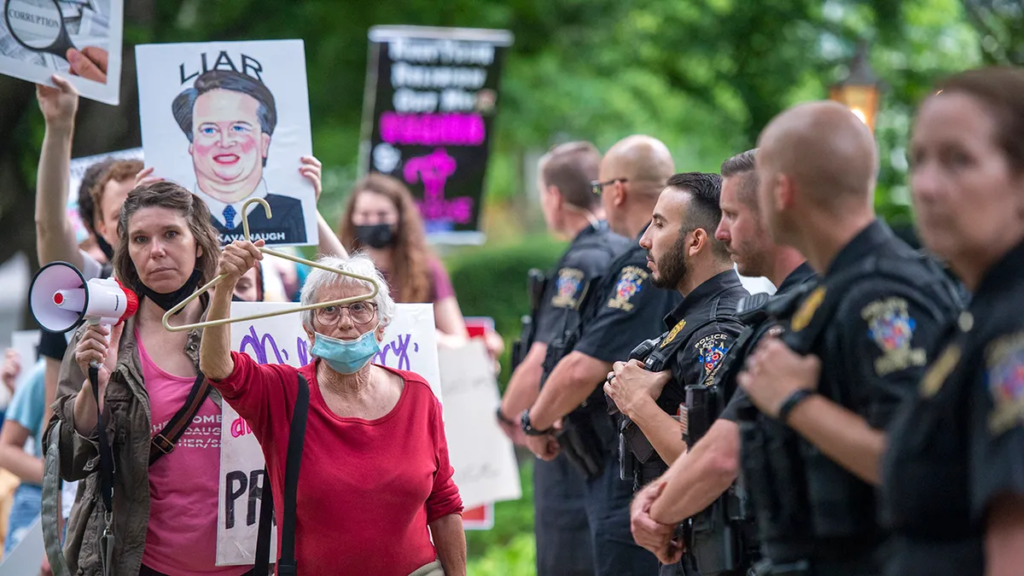
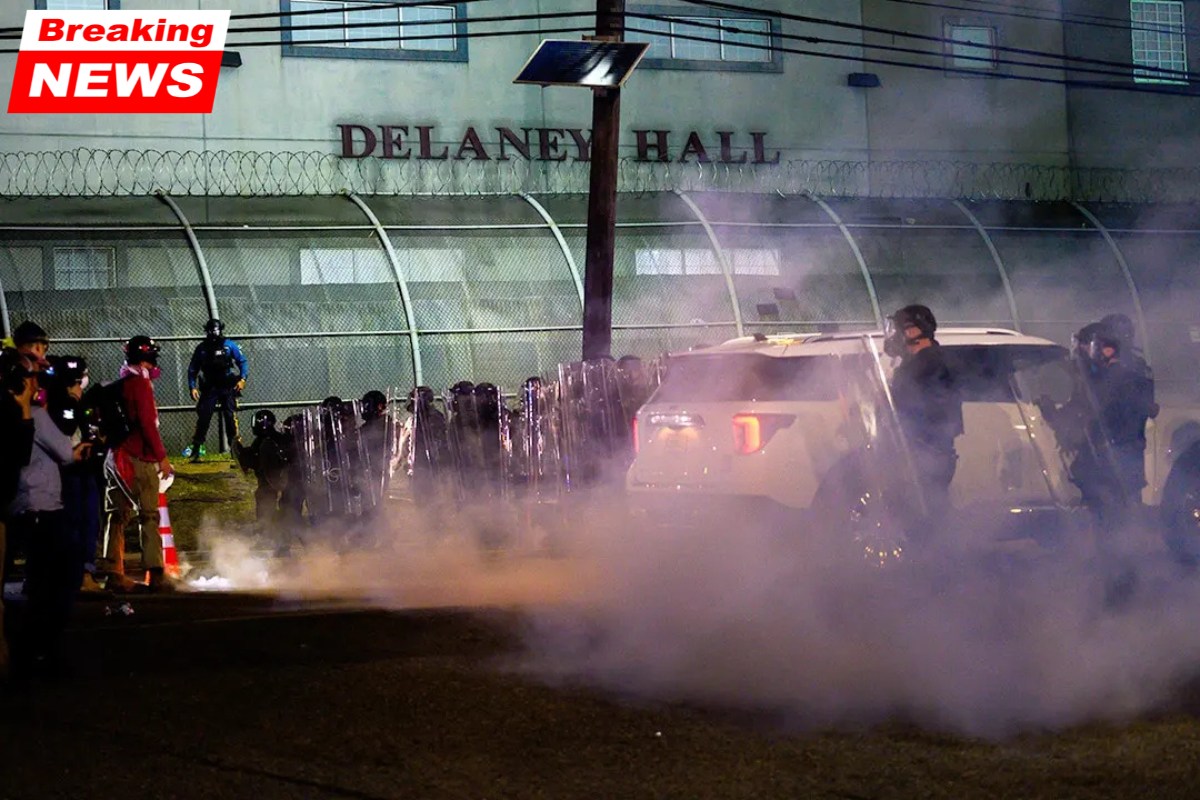
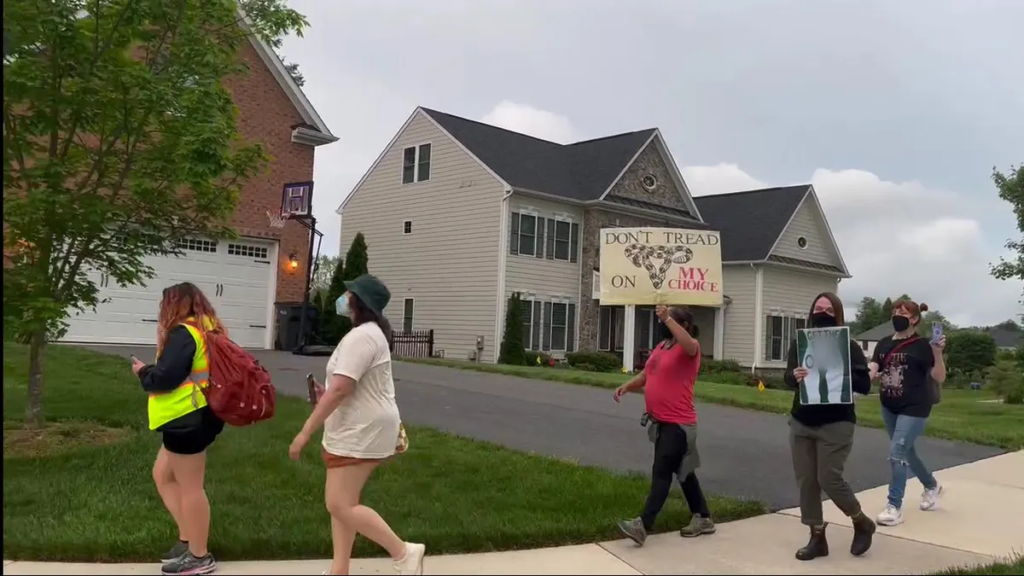
The episode highlights ongoing threats against Supreme Court justices, particularly following the leaked Dobbs draft opinion in 2022 that indicated the court’s intention to overturn Roe v. Wade. Protests and demonstrations have targeted the homes of conservative justices, including Barrett and Brett Kavanaugh.
In June 2022, Nicholas John Roske was charged with attempted murder after threatening Justice Kavanaugh with a gun, knife, and pepper spray outside his home. Roske was later sentenced to eight years in prison.
Wider Context of Attacks on Conservative Figures
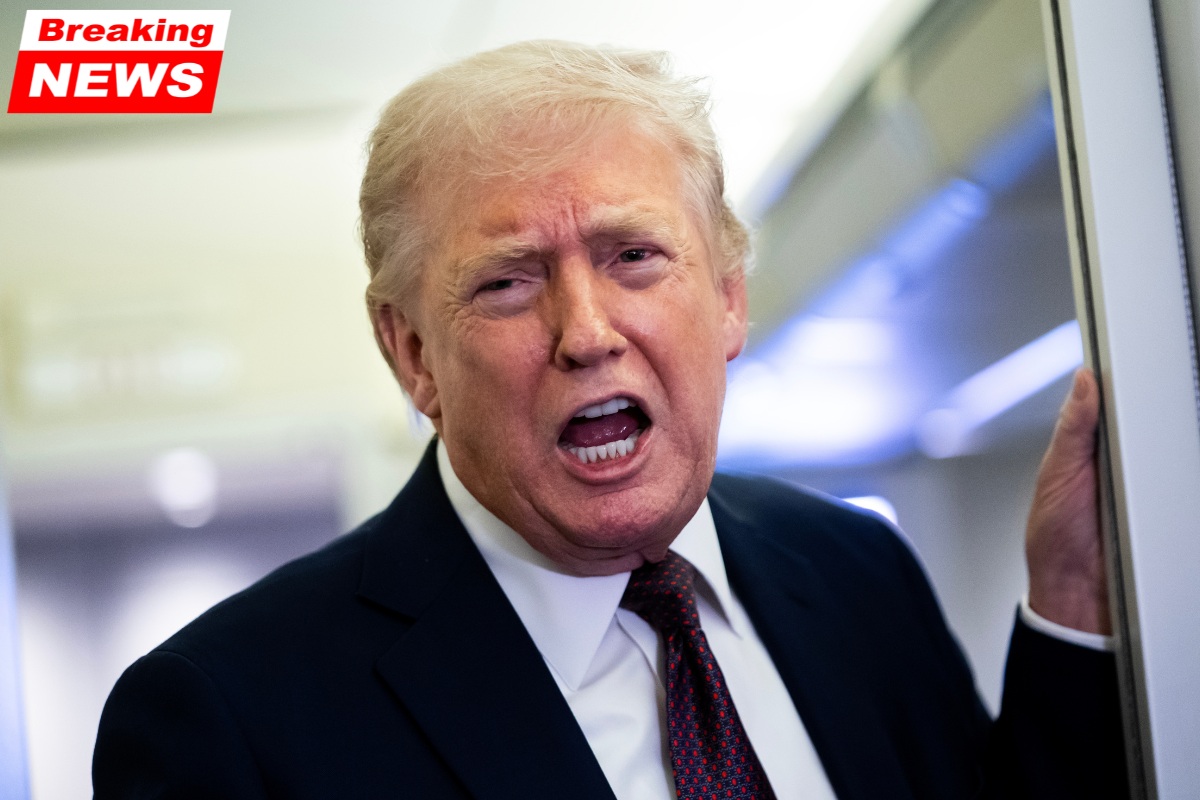
Attacks on conservative leaders have been rising in recent years, with notable incidents including attempts on former President Donald Trump’s life. In 2024, two assassination attempts occurred: one in Butler, Pennsylvania, where a bullet grazed Trump’s ear after a gunman climbed onto a roof during a rally on July 13.
Additionally, earlier this month, a California Army veteran known for displaying “Make America Great Again” memorabilia outside his residence—dubbed the “Trump House”—was attacked and beaten to death.
These incidents underscore heightened security risks for public figures and the increasingly dangerous trend of politically motivated attacks.
Summary Table: Swatting Incident and Related Security Threats
| Feature | Details | Status |
|---|---|---|
| Incident | Swatting call at Justice Barrett’s residence | Resolved, report fictitious |
| Date & Time | Wednesday evening, approximately 9:02 p.m. | Complete |
| Location | Fairfax County, Virginia | Confirmed |
| Police Response | Coordinated with Supreme Court security detail, no additional resources | Completed |
| Justice Barrett | On bench the following morning, no public comment | Ongoing duties |
| Similar Threats | Protests post-Dobbs leak, attempted murder of Justice Kavanaugh, attacks on conservative figures | Ongoing |
| Political Reaction | Condemnation by Senator Mike Lee, calls for strict penalties | Active discussion |
| High-Profile Attacks | Attempts on Donald Trump in 2024, fatal attack on veteran at “Trump House” | Resolved or investigated |
The swatting incident at Justice Amy Coney Barrett’s home is part of a broader pattern of threats against conservative public figures in the U.S. While the immediate threat was neutralized, the event highlights the continuing dangers faced by high-profile officials, the rise of politically motivated violence, and the importance of stringent security measures for at-risk individuals.