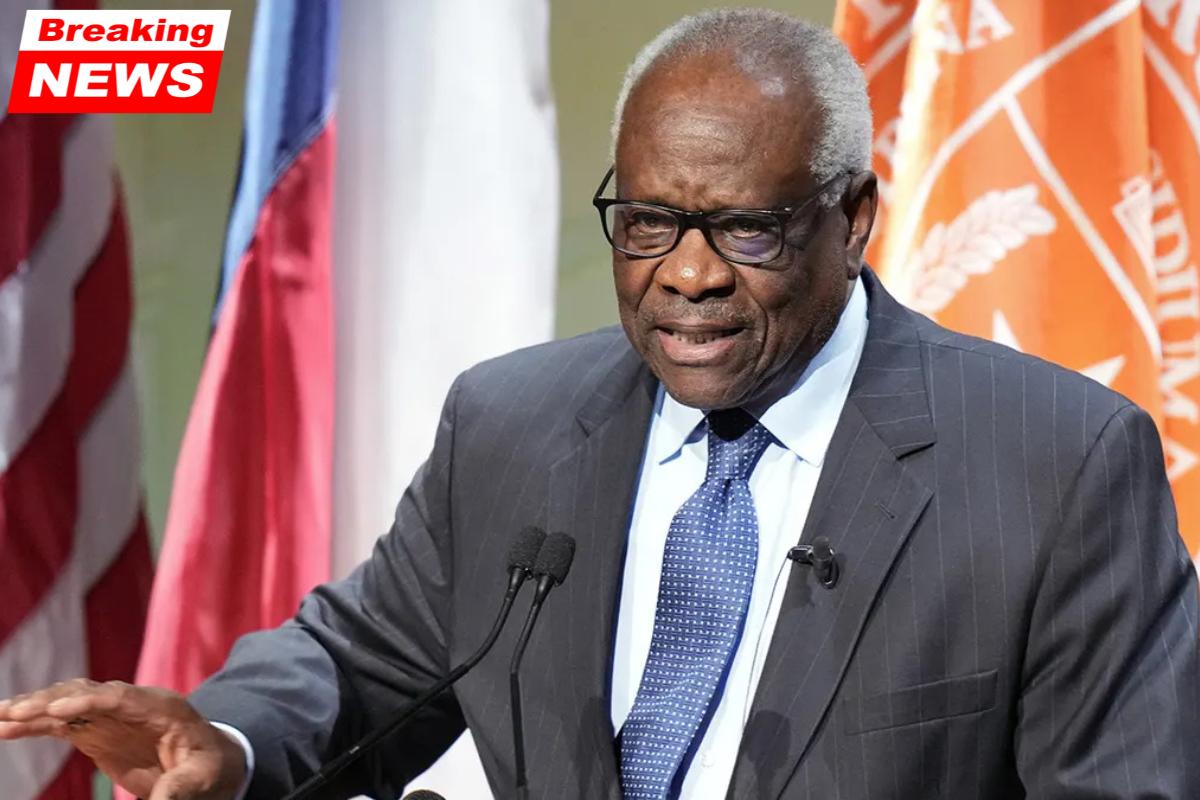
The U.S. Supreme Court has refused to hear a lawsuit filed by Florida against California and Washington, but the decision has sparked strong criticism from two conservative justices. Justice Clarence Thomas, joined by Samuel Alito, said the Court had a constitutional duty to hear the case and should not have turned it away.
The dispute centres on commercial driver’s licenses (CDLs) and federal immigration and trucking safety standards.
What Was Florida’s Lawsuit About?
Florida directly sued California and Washington under the Supreme Court’s original jurisdiction. This special authority allows the Court to hear disputes between states without the case first going through lower courts.
Florida argued that California and Washington wrongly issued CDLs to undocumented immigrants. According to Florida, federal law requires:
- English language proficiency
- Lawful immigration status
- Passing a proper commercial driving test
Florida claimed that failing to follow these standards creates safety risks on highways across the country.
Justice Thomas’ Strong Dissent
Justice Clarence Thomas wrote that when one state sues another, the Supreme Court is the only court allowed to hear the case. He argued that if the Court refuses to take such a case, the complaining state has “no judicial forum” to seek relief.
In his view, this is not like an ordinary appeal where the Court can choose whether to step in. Because the Constitution gives the Supreme Court exclusive authority over disputes between states, Thomas said the Court has a duty to exercise that power.
He accused the Court of adopting a discretionary approach that goes against constitutional and congressional intent.
The Florida Highway Crash
Thomas referred to a deadly crash in Florida involving truck driver Harjinder Singh. He wrote that Singh allegedly could not read English road signs and had received CDLs from both California and Washington.
Thomas argued that an 80,000-pound tractor-trailer should not be operated by someone who cannot understand road signs in English. He said federal regulations clearly prohibit states from issuing CDLs unless drivers meet language and immigration requirements.
Florida believes that such licensing decisions by other states can directly affect road safety within its own borders.
Why the Case Matters
This case touches on several important issues:
| Issue | Explanation |
|---|---|
| Federal immigration law | Whether states are following federal requirements |
| Trucking safety standards | Ensuring drivers are qualified and properly trained |
| State vs. state disputes | How conflicts between states are resolved |
| Supreme Court authority | Whether the Court must hear such cases |
Thomas argued that if Florida, California and Washington were separate countries, such a dispute could cause serious diplomatic tensions. He said that by joining the United States, states agreed to have these disagreements settled by the Supreme Court.
Transportation Department Involvement
The issue of CDLs has also drawn attention from the U.S. Department of Transportation.
Last summer, after several deadly crashes involving non-citizen truck drivers, the department announced stricter rules for non-citizens seeking CDLs. Transportation Secretary Sean Duffy said the government is focused on ensuring that commercial drivers are properly vetted and qualified.
He also warned that federal funding could be affected if states fail to comply with federal standards.
Bigger Constitutional Debate
At the heart of this issue is a constitutional question: Must the Supreme Court hear every lawsuit filed by one state against another?
Justice Thomas believes the answer is yes. He argues that the Constitution’s wording makes it mandatory. However, the majority of the Court declined to hear the case, though it did not provide a detailed public explanation.
What Happens Next?
Since the Supreme Court declined to hear the case, Florida currently has no other federal court where it can bring this specific dispute. That is exactly the concern Thomas highlighted in his dissent.
The broader debate over immigration enforcement, trucking regulations, and federal authority is likely to continue. Meanwhile, the discussion has also brought attention to highway safety and how states implement federal commercial driving standards.
This situation shows how legal disputes between states can go beyond local politics and raise major constitutional questions. It also highlights how decisions made in one state can have effects across the country, especially in industries like trucking that operate nationwide.
Whether or not the Supreme Court revisits this issue in the future, the debate over immigration compliance and road safety standards is far from over.