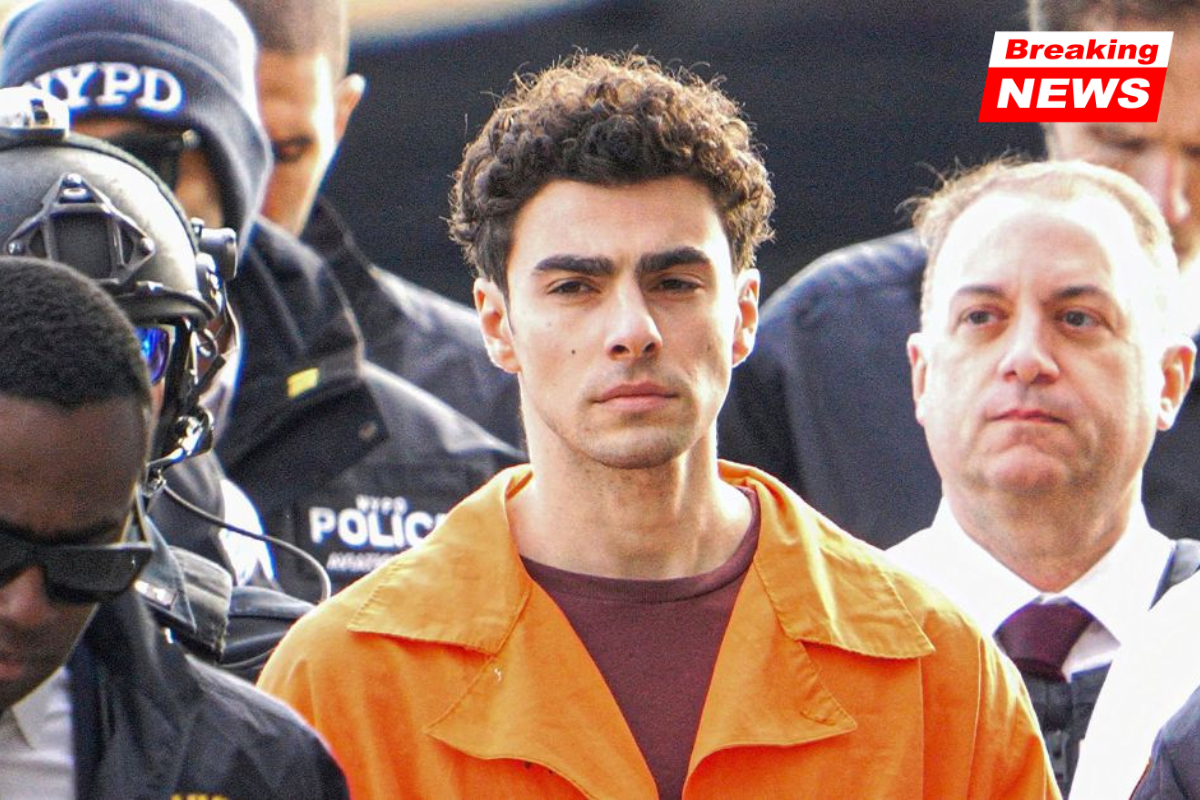
A New York judge has delivered an important ruling in the high-profile Luigi Mangione case, allowing key evidence from his backpack to be used during his upcoming state trial.
The decision is being seen as a major advantage for prosecutors because some of the most critical evidence — including the alleged murder weapon and Mangione’s personal writings — will remain part of the case despite objections from the defense team.
Judge Allows Key Evidence in Luigi Mangione Case
Defense lawyers had argued that police should not be allowed to use items taken from Mangione’s backpack because officers allegedly searched it without a warrant during his arrest.
However, the court ruled that several items were legally collected as part of standard police inventory and evidence protection procedures.
Because of that decision, prosecutors will still be able to present important physical evidence during trial.
What Evidence Will Be Used at Trial?
According to the ruling, the following items were considered admissible:
| Evidence | Why It Matters |
|---|---|
| Alleged 3D-printed 9mm handgun | Prosecutors claim it was the murder weapon |
| Personal notebook | May help establish motive and intent |
| Other backpack contents | Collected during lawful police procedures |
The ruling was viewed as a significant setback for the defense because removing the alleged weapon could have weakened the prosecution’s case considerably.
Why the Ruling Matters
In criminal trials, prosecutors must prove guilt beyond a reasonable doubt. Physical evidence often plays a major role in convincing jurors.
Without the alleged murder weapon, the prosecution may have faced more difficulty linking Mangione directly to the crime. Now, with the evidence remaining in court, prosecutors have a stronger foundation heading into trial.
Still, legal experts say the prosecution’s job is far from over.
Could Jury Nullification Become an Issue?
One major topic being discussed is the possibility of jury nullification.
Jury nullification happens when jurors believe a defendant technically broke the law but still decide to return a “not guilty” verdict because they disagree with the law or feel the punishment would be unfair.
In such situations:
- Jurors ignore or reject the legal outcome
- The defendant cannot usually be retried due to double jeopardy protections
- The verdict becomes final even if evidence strongly suggests guilt
The idea has gained attention because Luigi Mangione has reportedly received public support from some people frustrated with the U.S. healthcare insurance system.
Public Frustration and Trial Concerns
The case has sparked wider conversations online about healthcare insurance companies and public anger toward decision-makers in the industry.
Some observers believe those emotions could influence potential jurors, even if the court focuses strictly on legal facts and evidence.
While jury nullification remains uncommon, legal analysts say prosecutors may still worry about whether every juror will fully separate personal beliefs from the evidence presented in court.
Jury Selection Will Be Critical
Both prosecutors and defense attorneys will carefully question potential jurors during the voir dire process.
The goal of jury selection is to identify people who can remain fair and unbiased throughout the trial.
However, predicting how 12 jurors will ultimately decide a case is never guaranteed, especially in highly emotional or politically charged situations.
Even if prosecutors present strong evidence, jurors must unanimously agree on guilt beyond a reasonable doubt for a conviction to happen.
What Happens Next?
The case is expected to continue drawing major public attention as court proceedings move forward.
With key evidence now allowed at trial, prosecutors appear to have gained momentum. Still, the defense may continue challenging evidence, witness testimony, and legal procedures as the trial develops.
The outcome may ultimately depend not only on physical evidence but also on how jurors interpret the broader emotions and public debates surrounding the case.
As discussions around healthcare frustrations continue online, the Luigi Mangione case is becoming more than just a criminal trial — it is also turning into a reflection of growing public anger and division over larger social issues in America.