Indiana officials have revealed that nearly 300 undocumented migrants holding commercial driver’s licenses (CDLs) were stopped and prosecuted over the last three months. State authorities say this enforcement aims to uphold traffic safety while addressing legal concerns surrounding non-citizen drivers operating commercial vehicles.
Nearly 300 Undocumented CDL Holders Stopped in Indiana
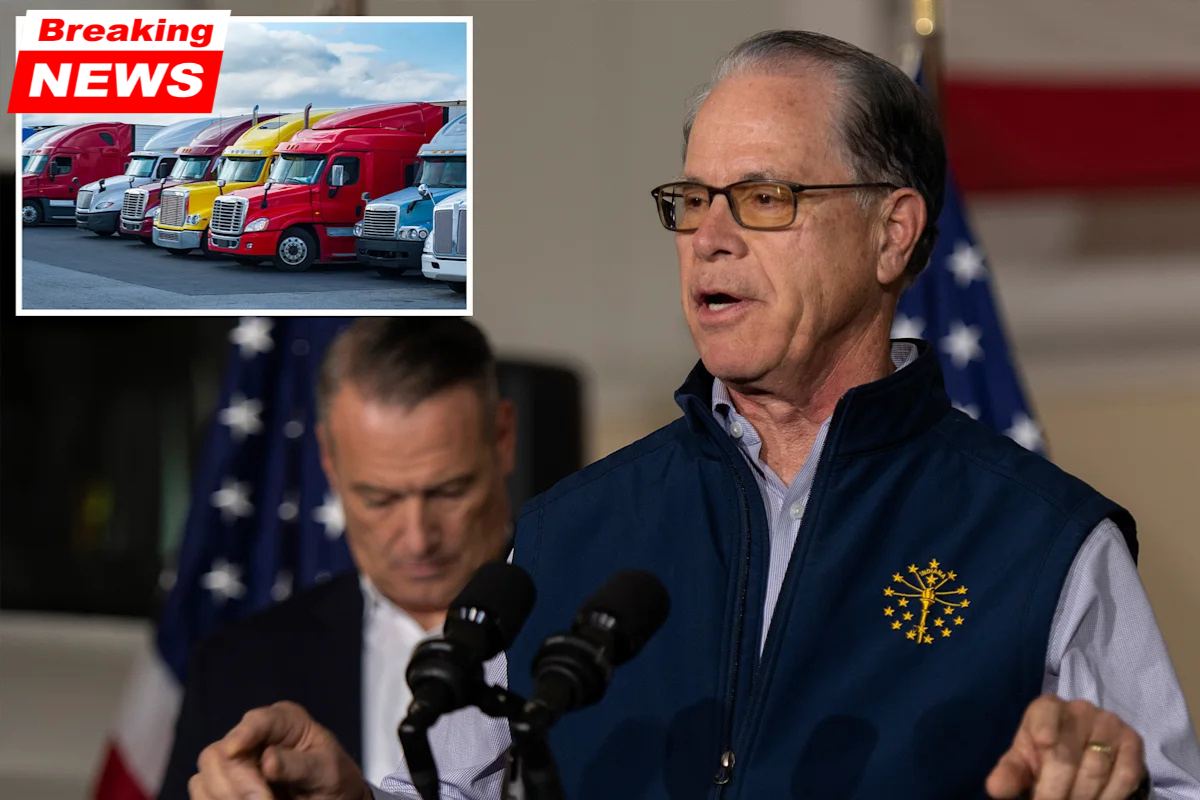
Tony Ferraro, a top aide to Governor Mike Braun and a member of the Northwestern Indiana Regional Planning Commission, told the board on Thursday that at least 283 undocumented drivers were discovered operating trucks at state weigh stations over a 90-day period.
“That’s over three a day that we pulled out of trucks,” Ferraro said, according to the Chicago Tribune. He emphasised that the drivers’ actions were illegal and that the state prosecuted them and took over the enforcement action.
Drivers Held Licenses from Other States
Many of the drivers stopped in Indiana held commercial licenses issued by other states, such as California and New York. These states did not require citizenship for obtaining CDLs at the time, meaning non-citizens could legally receive licenses and operate commercial vehicles.
Ferraro did not specify which laws the drivers broke, but stressed that they were not authorised to work in the US.
Federal Rules and Legal Complexity
Federal regulations mandate that CDL holders must be legally authorised to work in the United States. However, legal experts note that drivers with valid licenses from states that did not require citizenship at the time may still legally operate commercial vehicles. This creates a legal grey area and may open the state to potential challenges.
In February, New York state announced it would stop issuing commercial driver’s licenses to non-citizens, following a Trump administration order tightening restrictions on work authorisation for CDL applicants.
Indiana Does Not Issue Licenses to Undocumented Immigrants
Unlike some other states, Indiana does not issue any type of driver’s license to undocumented immigrants. State officials say the recent enforcement reflects a commitment to traffic safety and compliance with federal work requirements.
Governor Braun’s Focus on Road Safety
Governor Braun has repeatedly stressed that traffic safety is a top priority, and this includes cracking down on undocumented drivers operating commercial vehicles.
Ferraro added that speed enforcement on Indiana’s expressways and US Interstate 30 has been significantly increased. He described the patrols as “more visible than any other time I’ve seen in my 14 years living in the region.”
The increased police presence serves a dual purpose: ensuring drivers are not speeding and giving troopers opportunities to inspect drivers for criminal activity and immigration violations.
Unclear Legal and Enforcement Outcomes
It is currently unclear whether the undocumented drivers stopped have been prosecuted under state or federal law, or if they have been turned over to Immigration and Customs Enforcement (ICE) for further action.
National Context and Policy Shifts
The enforcement in Indiana comes amid a broader national debate about CDL licensing and immigration. Federal rules require work authorisation for CDL holders, but states vary in their licensing requirements. California and New York previously allowed non-citizens to obtain CDLs, which has complicated enforcement in states like Indiana that strictly require legal work eligibility.
Tony Ferraro pointed out that many of the drivers were legally licensed in their home states but not authorised to work in Indiana, highlighting the tension between interstate licensing rules and state enforcement priorities.
Governor Braun’s Administration Stance
Governor Braun’s office has emphasised that this enforcement reflects a long-term commitment to both public safety and legal compliance. Ferraro said, “The bottom line is it was illegal. It was against the law. We prosecuted and took over the enforcement action.”