The United States and Iran were reported to be approaching a deal on Sunday that could potentially end hostilities and reopen the strategically critical Strait of Hormuz. The proposed agreement has sparked debate among U.S. political leaders, with some Republicans and conservative commentators expressing concerns over whether the deal would serve U.S. interests effectively.
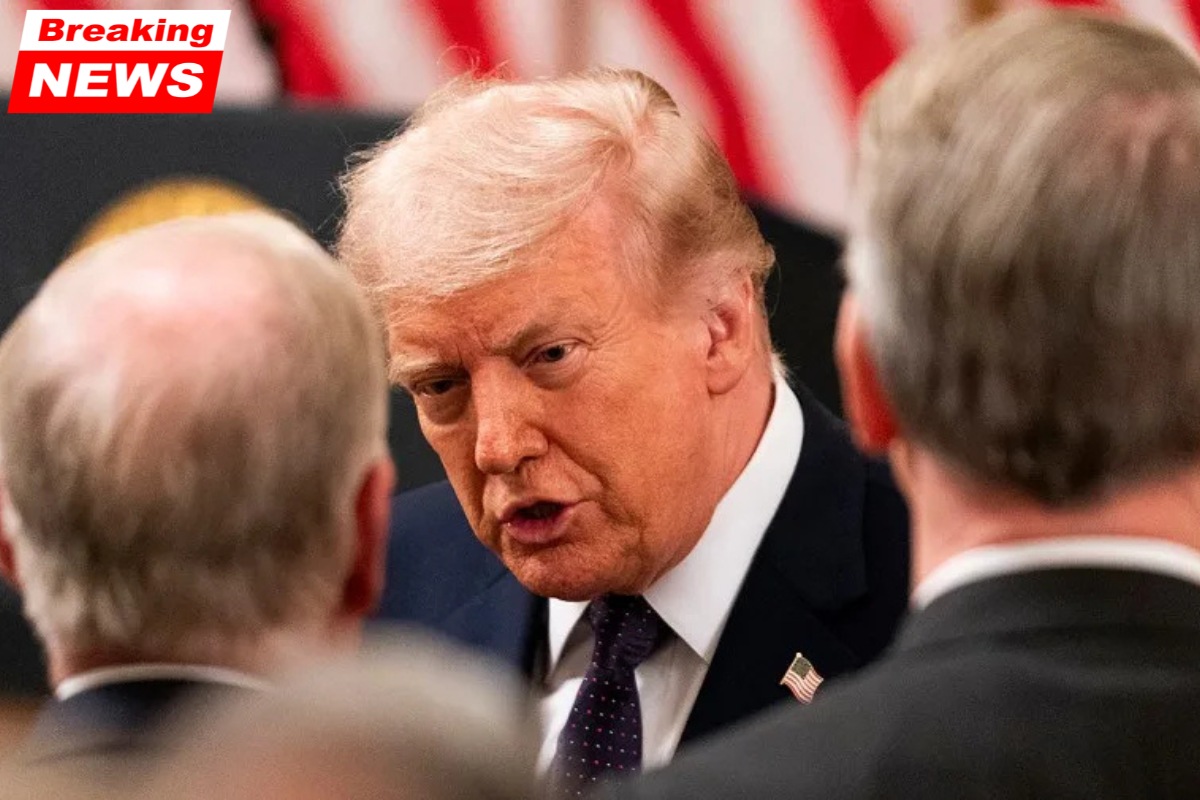
Senator Thom Tillis (R-N.C.) raised doubts about the emerging agreement during Sunday morning talk shows, questioning whether it would truly benefit the United States. In contrast, Speaker of the House Mike Johnson (R-La.) defended the deal, suggesting that diplomatic engagement could be the key to stabilizing the region and reducing tensions with Iran.
The Strait of Hormuz is a crucial maritime route through which a significant portion of the world’s oil supply passes. Any disruption in this area could have global economic repercussions, making negotiations over its reopening highly consequential. Analysts note that a successful agreement could improve regional stability while bolstering U.S. influence in the Middle East (Reuters, 2026).
Political Spotlight: Texas Senate GOP Primary
While foreign policy debates dominated headlines, domestic politics also remained a key focus. The Texas Senate GOP primary, scheduled for Tuesday, pits incumbent Senator John Cornyn against state Attorney General Ken Paxton. Cornyn has expressed confidence in his chances, stating that he believes he will overcome the odds and secure a primary win.
This high-profile primary has drawn attention due to its potential impact on national Republican politics. A Cornyn victory could reinforce traditional GOP leadership, while a Paxton win might signal a shift toward more conservative, populist policies. Observers note that the outcome could influence broader strategies for upcoming midterm elections (The Hill, 2026).
White House Security Incident
Amid the political and diplomatic developments, a violent incident occurred near the White House over the weekend. On Saturday evening, a man was killed by the U.S. Secret Service after opening fire near the vicinity of 17th Street and Pennsylvania Avenue NW. According to Anthony Guglielmi, the Secret Service chief of communications, the individual “pulled a weapon from his bag and began firing” shortly after 6 p.m. EDT.
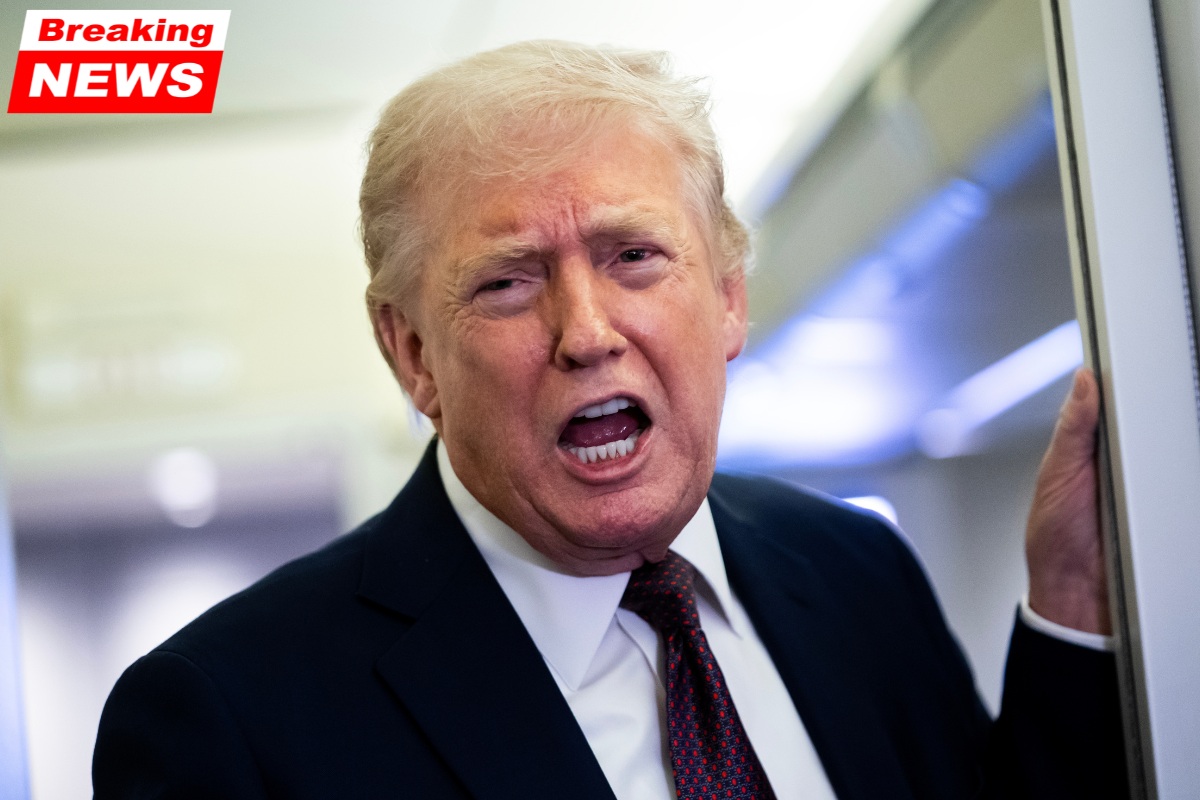
President Trump publicly expressed his gratitude to the Secret Service on Sunday morning, praising their swift action in neutralizing the threat. The incident has heightened national attention on White House security protocols and the ongoing threats faced by public officials (CNN, 2026).
Summary Table: Key Events and Figures
| Event/Topic | Key Details | Notable Figures | Implications |
|---|---|---|---|
| U.S.-Iran Deal | Negotiations to reopen Strait of Hormuz and reduce hostilities | Sen. Thom Tillis (R-N.C.), Speaker Mike Johnson (R-La.) | Potential global oil market stability; political debate in U.S. |
| Texas GOP Primary | Tuesday primary between Cornyn and Paxton | Sen. John Cornyn, AG Ken Paxton | Could influence GOP leadership and national politics |
| White House Shooting | Man killed by Secret Service after opening fire | Secret Service, President Trump | Raises awareness of security threats to public officials |
The past weekend highlighted a mix of international diplomacy, domestic political contests, and national security concerns.
The potential U.S.-Iran agreement represents a critical step in stabilizing the Middle East and safeguarding global trade routes, while the Texas Senate primary will likely shape Republican strategies in the coming months.
At the same time, the White House shooting serves as a reminder of the constant security challenges faced by U.S. leaders.
As these stories continue to develop, they will remain central to both domestic and international headlines, shaping policy debates and public discourse in the weeks ahead.