
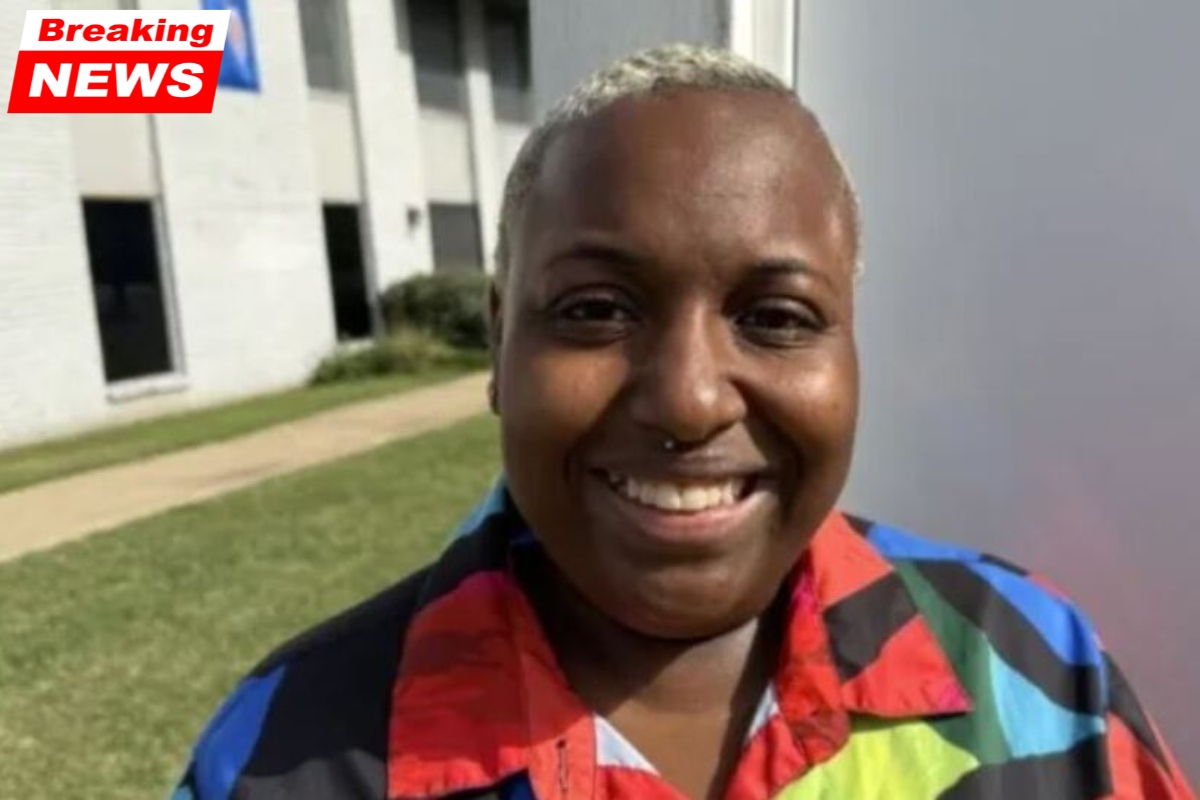
CORRI WILLIAMS, a resident of Oklahoma City, knows firsthand how a criminal conviction can continue to affect life long after probation ends. Although she completed probation for a burglary conviction five years ago, Williams said securing steady employment and housing remained difficult.
Even with a master’s degree in criminal justice administration and strong credentials, prospective employers often withdrew job offers after running background checks. “Even though you’re not getting in any trouble, because the charge is still there, they think you’re a liability,” Williams said.
Williams is hopeful that the Oklahoma Pardon and Parole Board will recommend her for a pardon later this year, opening the door to a new state law aimed at making expungement more accessible for hundreds of thousands of Oklahomans.
Senate Bill 2030 Expands Automatic Expungement
Senate Bill 2030, recently signed into law by Governor Kevin Stitt, directs the Oklahoma State Bureau of Investigation (OSBI) to launch a free online portal for expungement requests by November 1, 2026. By November 1, 2027, the agency is expected to have an automatic expungement system in place, with all eligible records cleared by the end of 2029.
The law covers clean slate eligible records, including arrests without conviction, pardoned offenses, misdemeanors, and nonviolent felonies, provided the individual has not been charged with a new crime and at least five years have passed since completing their sentence. The arresting agency and the district attorney retain the right to object under the automated system.
Advocates say SB 2030 builds on the Clean Slate Act of 2022, which faced technical delays and was initially expected to launch in 2026. The new system will streamline expungement, allowing thousands of Oklahomans to regain employment, housing, and volunteer opportunities.
Personal Impact of Expungement Reforms
Courtenie Jackson, an employment coordinator for the Oklahoma County Diversion Hub, described the challenges faced by individuals with criminal records. With two nonviolent felony convictions from the mid-2010s, Jackson said she has been rejected from countless jobs, housing, and volunteer positions. She plans to use the OSBI portal once it launches.
Advocates estimate that more than 300,000 Oklahomans will benefit once the automatic expungement system is fully operational. “After 10 noes, you’re thinking there’s no chance you’re going to get a job,” Jackson said. “It’ll put people who are educated and overqualified back into positions that need to be filled.”
Williams is encouraging her clients with eligible records to familiarize themselves with the legislation and prepare to submit applications through the online portal.
Additional Criminal Justice Reforms in 2026
Oklahoma lawmakers also addressed other criminal justice issues in 2026, including earned credit calculations, medical parole, and failure-to-pay arrest reforms.
Earned Credit Calculation
Senate Bill 1213 modifies the Department of Corrections’ formula for calculating good time credits. State prisoners with a class 3 or 4 designation will begin earning credit at an accelerated rate upon receiving their judgment and sentence rather than upon being processed into custody. The change takes effect November 1, 2026, and could impact approximately 1,000 prisoners currently affected by processing delays, particularly in rural counties.
Emily Barnes, founder of Hooked on Justice, said the change incentivizes good behavior by allowing well-behaved prisoners faster access to programs, jobs, and early release. However, class X violations, such as possession of a weapon, will nullify accumulated credit.
Medical Parole Authority
Senate Bill 1255, effective November 1, 2026, changes the approval process for medical parole. The bill shifts decision-making authority from the Department of Corrections director to the agency’s chief medical officer, addressing declining medical parole rates since 2021. The Pardon and Parole Board had previously sought an attorney general’s opinion regarding its authority to bypass the Department of Corrections, but the opinion ruled such action unlawful.
Failure-to-Pay Arrests
House Bill 3321 addresses Oklahoma’s court fines and fees collection system, particularly the use of private debt collectors and failure-to-pay arrest warrants. The bill establishes a committee to submit annual reports detailing:
- Individuals booked solely for failure-to-pay warrants and their duration in jail
- Number of third-party vendors used per county for debt collection
- Amount collected through court compliance programs
- Amount collected per individual after executing failure-to-pay warrants
The first report is due December 31, 2026, with subsequent reports due annually on November 15 starting in 2027.
Oklahoma’s recent legislative actions, including SB 2030 and other criminal justice reforms, represent a significant step toward improving opportunities for individuals with criminal records.
By expanding automatic expungement, reforming good time credits, and modifying medical parole procedures, the state aims to remove barriers to employment, education, and community reintegration while promoting accountability and public safety.
Advocates predict that these reforms will benefit hundreds of thousands of Oklahomans and support workforce participation, particularly for those with nonviolent convictions.






