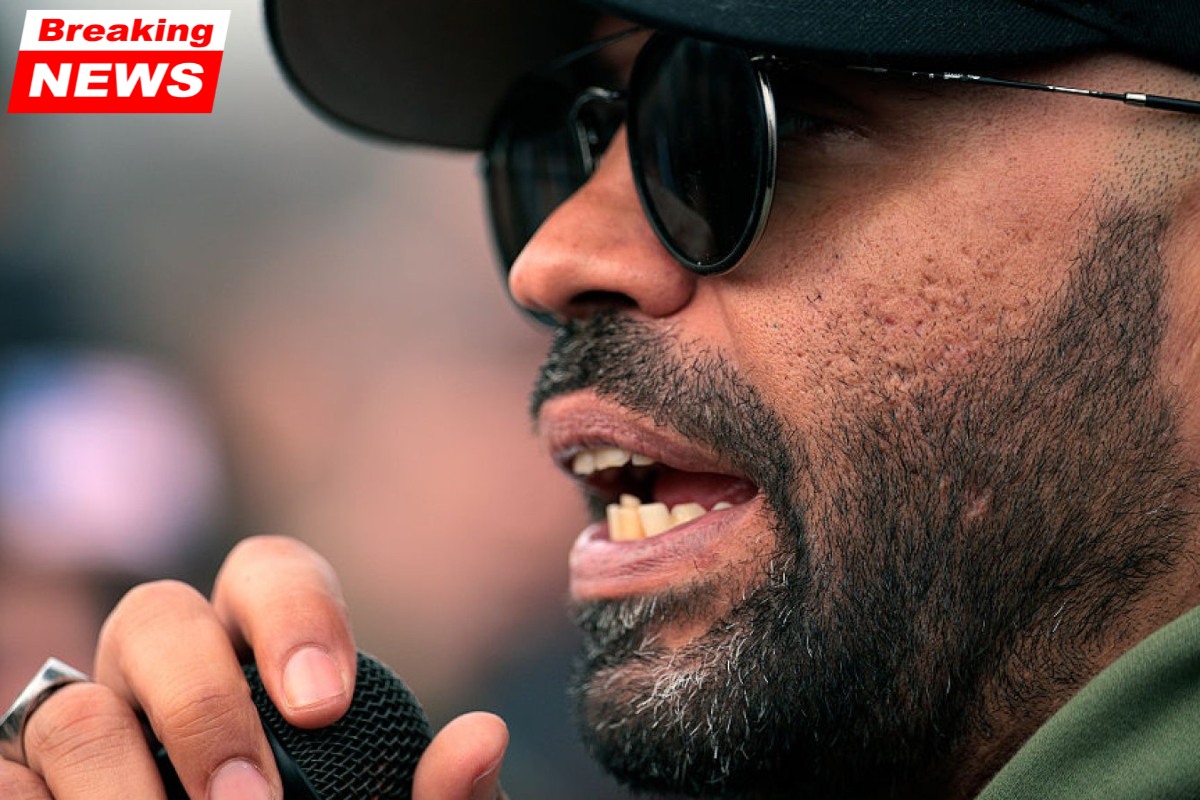
Former Proud Boys chairman Enrique Tarrio announced that he intends to seek millions of dollars from President Donald Trump’s newly created $1.776 billion “Anti-Weaponization Fund,” arguing that defendants from the January 6 Capitol attack were politically targeted by the Justice Department.
“I’m not greedy,” Tarrio told Reuters. “But my life was all messed up because of this.” Tarrio, who was sentenced to 22 years in prison for seditious conspiracy related to January 6 before receiving a pardon from Trump, said he expects to request between $2 million and $5 million from the fund.
Tarrio also stated that individuals who assaulted police officers should receive their share. “The Justice Department overprosecuted for political gain,” he said. “So everyone deserves to get money.”
Fund Background and Purpose
The Justice Department announced the fund this week as part of a settlement in President Donald J. Trump v. Internal Revenue Service, a lawsuit regarding the leak of Trump’s tax returns.
According to the DOJ, the fund is designed to provide “a systematic process to hear and redress claims of others who suffered weaponization and lawfare.”
Acting Attorney General Todd Blanche emphasized that “the machinery of government should never be weaponized against any American” and noted that eligibility for the fund would not be limited by political affiliation.
Blanche further clarified that even individuals convicted of assaulting police officers on January 6 would not automatically be excluded from potential compensation.
Oversight and Administration
The fund will be managed by a five-member commission appointed by the attorney general and financed through the federal Judgment Fund, traditionally used to settle legal claims against the government.
Claims filed under the program could result in monetary compensation or formal apologies, depending on the circumstances.
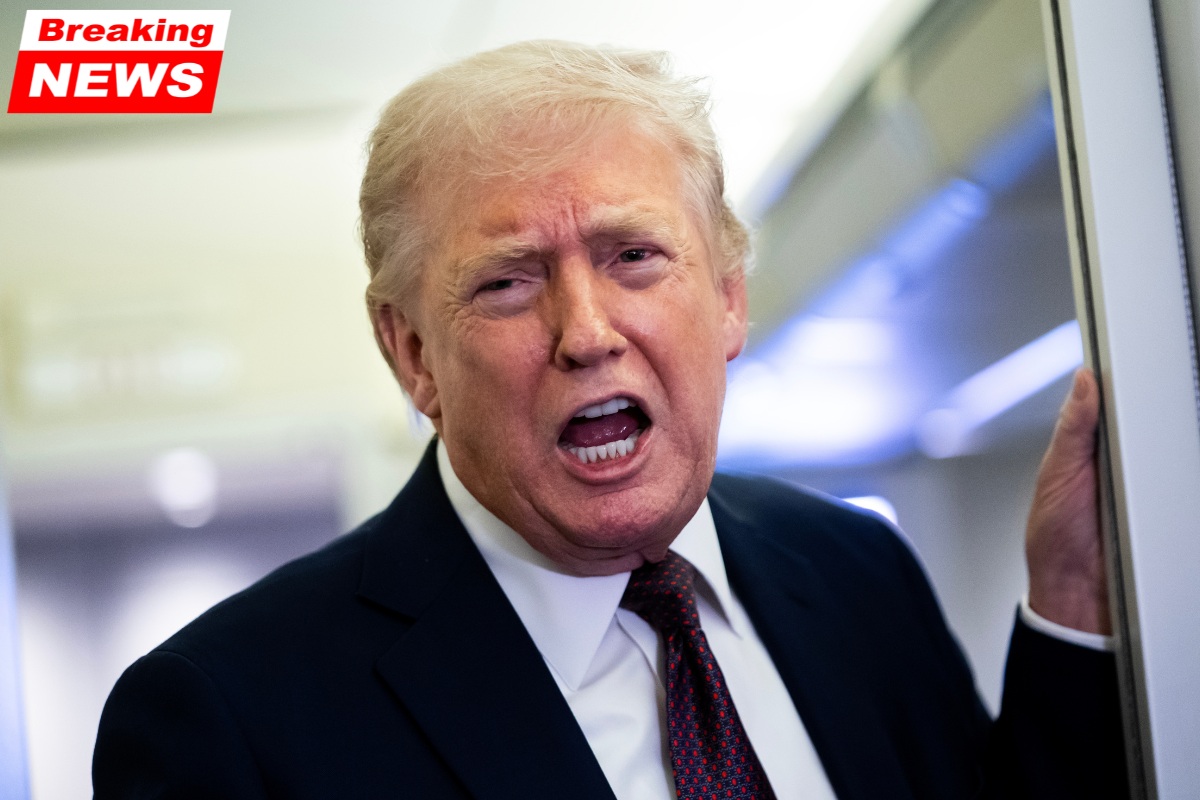
Trump defended the fund, stating that January 6 defendants were “horribly treated” and that many had gone bankrupt or had their “lives destroyed.”
He also suggested that the nearly $1.8 billion allocation may not be enough. “You’re talking about peanuts,” Trump told reporters regarding potential payouts.
Criticism and Legal Challenges
The initiative has faced criticism from Democrats, legal experts, and Capitol police officers injured during the January 6 attack.
Two officers filed a lawsuit on Wednesday seeking to block the fund, describing it as a “taxpayer-funded slush fund” benefiting Trump supporters involved in the riot.
Several legal scholars questioned the administration’s comparison of the program to the Obama-era Keepseagle settlement, which addressed discrimination claims by Native American farmers.
USC law professor Adam Zimmerman remarked, “I don’t even think we have a word for how unprecedented this is.”
Other Potential Applicants
Beyond January 6 defendants, some Trump allies have indicated interest in applying for the fund. Former FBI Director James Comey, who has faced investigations under Trump’s second administration, told CNN, “I’m guessing I’ll be in line.”
Enrique Tarrio’s intent to claim millions from the Trump administration’s Anti-Weaponization Fund highlights the controversy surrounding the nearly $1.8 billion program.
While intended to compensate individuals who were allegedly politically targeted, critics argue it could reward those involved in illegal activities, including the January 6 Capitol attack.
Legal challenges and ongoing debates about ethics, precedent, and taxpayer funding suggest the fund will remain a highly contested issue.