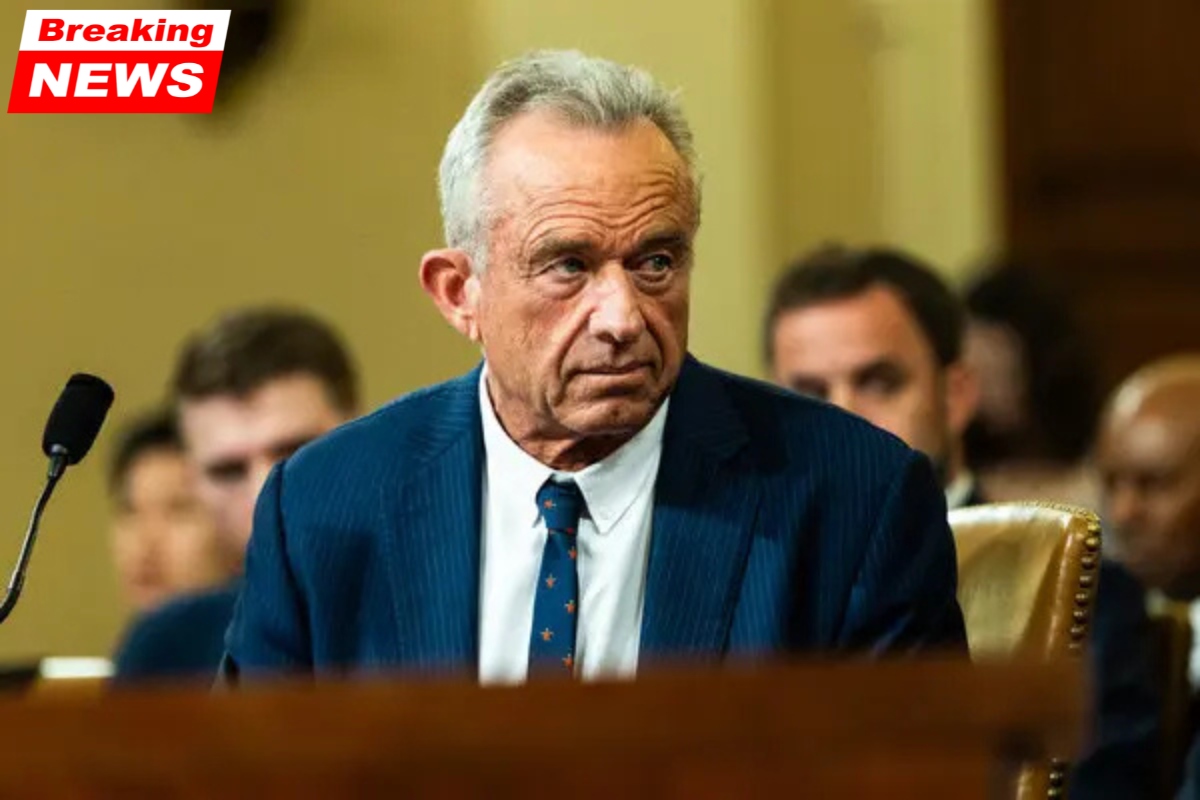
Health and Human Services Secretary Robert F. Kennedy Jr. has removed leaders of the U.S. Preventive Services Task Force (USPSTF), the federal advisory panel responsible for recommending preventive health services to Americans.
Letters notifying at least two head members of their appointments ending effective immediately were sent recently, according to an HHS official.
Role of the USPSTF
The USPSTF advises on which preventive health services should be covered by insurance under the Affordable Care Act at no cost to patients. These recommendations influence coverage for:
- Cancer screenings
- Testing for sexually transmitted infections
- Mental health screenings
- Important medications
The task force typically meets three times a year to update guidance and review emerging health evidence.
Background Leading to Firings
Nearly a year before the firings, USPSTF members were notified via email that an in-person meeting scheduled for July 10, 2025, was postponed. The postponement raised concerns among medical organizations about the task force’s independence and ability to operate effectively.
In response, dozens of medical groups, including the American Medical Association and American Academy of Pediatrics, sent a letter to the Senate Committee on Health, Education, Labor, and Pensions. They urged Congress to preserve task force procedures and protect its integrity from political interference.
Concerns About Task Force Operations
While the USPSTF is expected to meet three times annually, the panel has not met since March 2025. HHS spokesperson Andrew Nixon previously stated that the first meeting of the year was postponed and would be rescheduled in the coming months.
The firings have raised questions about potential political interference and the task force’s capacity to continue issuing independent, evidence-based health recommendations.
The removal of USPSTF leaders by HHS Secretary Robert F. Kennedy Jr. marks a significant development in federal health policy.
The USPSTF plays a critical role in determining preventive health coverage for Americans, and these changes have sparked concern among medical professionals and lawmakers about the panel’s independence and the continuity of its advisory work.