Federal investigators are examining a massive and suspicious trade in the oil markets that occurred just before a major announcement regarding the U.S.–Iran conflict. On March 23, at 6:50 a.m., data shows that more than $800 million was placed as a bet on oil prices falling.
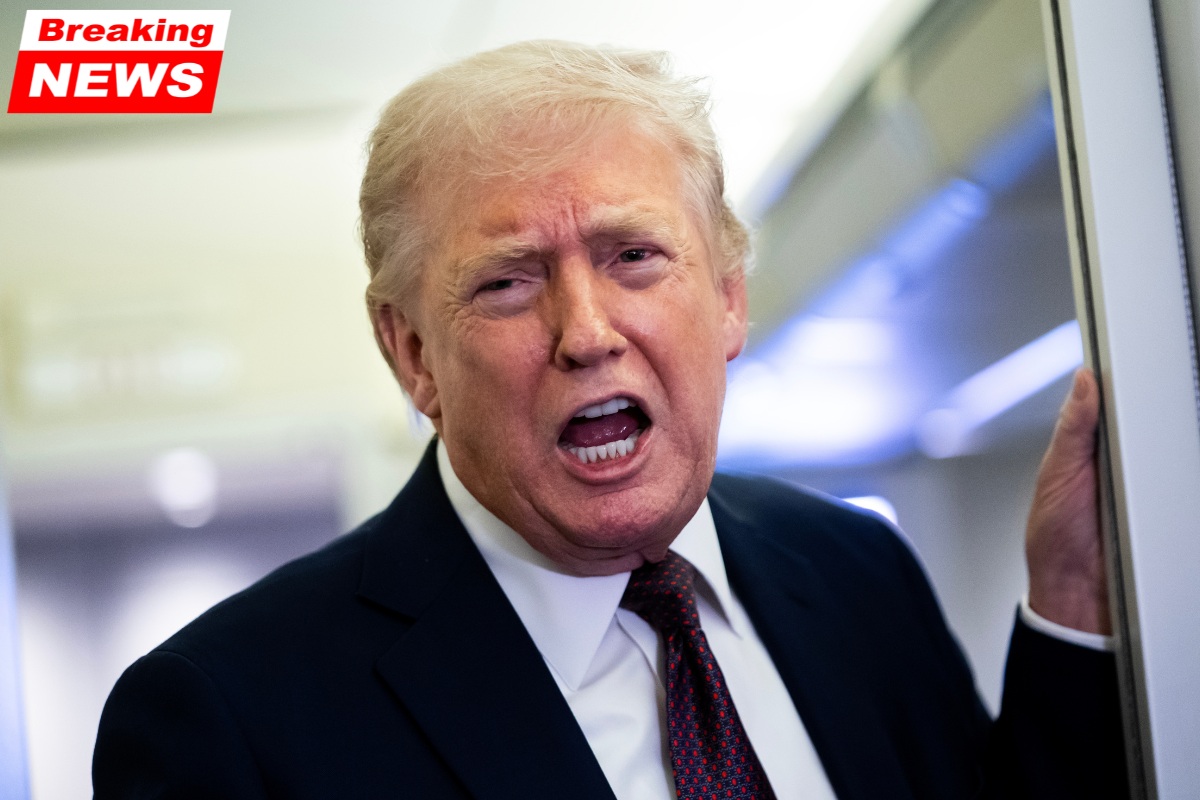
Only 15 minutes later, President Donald Trump posted on social media that the White House and Iran had “very good and productive conversations” about ending hostilities. Immediately afterward, oil prices dropped by over 10 percent, potentially generating tens of millions of dollars in profits for the traders involved.
Former commodities trader David Kovel noted that the timing is highly suspicious, as the trade occurred during a slow market period, making the unusually large bet stand out. Identifying the individual or group responsible is central to determining whether this constitutes illegal insider trading.
Insider Trading and Military Prediction Markets
This incident is part of a wider trend in which individuals use prediction markets and commodities exchanges to bet on military conflicts. Bets have been placed on the timing of attacks, the fate of world leaders, and other sensitive events, with over a billion dollars wagered this year alone.
While military betting is prohibited on platforms like Polymarket, digital workarounds allow participants to bypass restrictions.
In one notable case, a U.S. Army master sergeant, Gannon Ken Van Dyke, was charged with using classified intelligence to place bets on a raid that captured Venezuelan President Nicolás Maduro. Van Dyke allegedly made $34,000 in wagers and netted over $400,000 before attempting to delete his account. He has pleaded not guilty.
Analytics Reveal Large-Scale Coordinated Trading
Analytics firm Bubblemaps identified nine connected accounts on Polymarket that collectively earned $2.4 million by betting on U.S. military operations with a 98 percent win rate. According to the firm, military planners, intelligence analysts, and even their spouses could have had access to non-public information, making such a high level of success virtually impossible without inside knowledge.
The situation demonstrates the risk that individuals with access to classified or sensitive information can leverage it for financial gain in markets that are difficult to police.
Threats Against Media and Public Scrutiny
The pressure to profit from these bets has even affected the media. Military correspondent Emanuel Fabian reportedly received threats after publishing a story about an Iranian missile strike. Threats included personal details and warned of financial losses if further reporting continued, showing how high the stakes are when millions of dollars are involved in these markets.
Regulatory Oversight and Challenges
The Commodity Futures Trading Commission (CFTC) is responsible for monitoring these markets. Enforcement actions have decreased significantly since 2024, despite ongoing high-stakes trading linked to military and geopolitical events.
Current CFTC chairman Michael Selig has promised to hold bad actors accountable. Additionally, the White House issued a memo reminding staff that using non-public information for betting is a criminal offense. Nonetheless, experts warn that if these irregular trades are easily observable, foreign adversaries could exploit similar information, potentially putting lives at risk.
Table: Suspicious Oil Market and Military Bets Overview
| Element | Details |
|---|---|
| Date of Key Trade | March 23, 2026 |
| Time of Trade | 6:50 a.m. |
| Trade Value | Over $800 million |
| Market Movement | Oil prices dropped more than 10% following Trump’s Iran post |
| Key Individuals | Unknown trader(s), Trump, David Kovel (market analyst), Gannon Ken Van Dyke |
| Platform | Oil futures market, Polymarket |
| Prediction Market Winnings | Nine connected accounts earned $2.4 million with a 98% win rate |
| Regulatory Oversight | Commodity Futures Trading Commission (CFTC) |
| Key Concerns | Insider trading, use of non-public military/diplomatic information, threats to media |
| Notable Incidents | Venezuelan raid betting, Iranian missile reporting threats |
Potential Implications
The suspicious oil trade and high-stakes military prediction market activity highlight the challenges regulators face in policing markets that intersect with sensitive geopolitical information. Insider trading based on military or diplomatic knowledge could undermine market integrity and pose national security risks.
The incident also underscores the need for tighter controls on who has access to non-public information and increased enforcement of rules prohibiting trading based on classified intelligence.
Federal investigations into the March 23 oil trade reveal a worrying intersection of finance, military intelligence, and geopolitics. With traders potentially exploiting non-public information to earn massive profits, regulators, military authorities, and media outlets are grappling with enforcement and oversight challenges.
The outcome of these investigations will be closely watched, as they could set important precedents for how insider trading, prediction markets, and military-related financial activities are monitored in the future.