
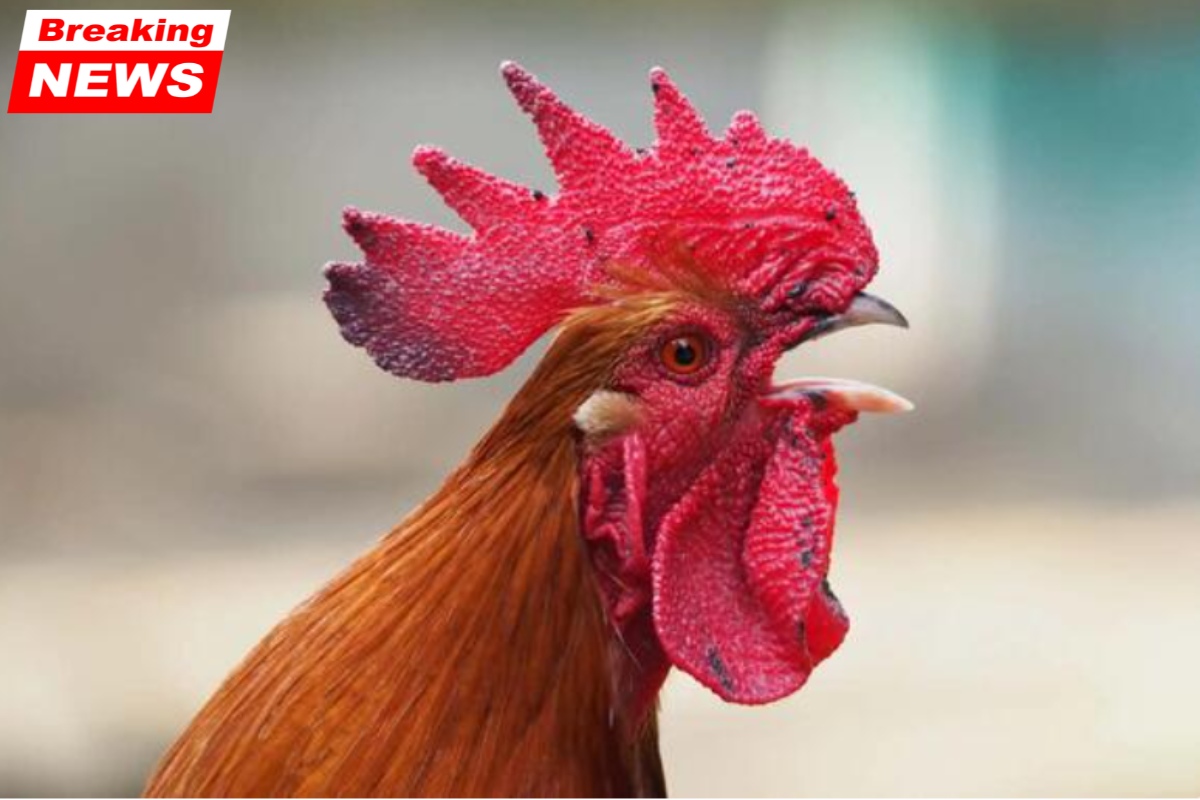
Keeping a rooster in Oklahoma is not simply a matter of having enough land; it requires understanding the layered legal framework that governs poultry ownership. Rooster rules are not set at the state level alone.
They are determined by city ordinances, county zoning regulations, and sometimes homeowners association (HOA) or deed restrictions.
Whether you are a backyard poultry keeper, a small-scale farmer, or a rural landowner, knowing which rules apply to your property is essential to avoid fines, disputes, or forced removal orders.
Legal Status of Roosters in Oklahoma
Oklahoma does not have a statewide law specifically addressing rooster crowing or ownership. While chickens are generally legal, each city and county sets its own regulations regarding the number of birds, coop placement, and whether roosters are permitted.
Statewide, Oklahoma Statutes §21-1362 prohibits disturbing the peace by willful or malicious noise, which could theoretically apply to a rooster if its crowing rises to the level of a disturbance.
Roosters are generally prohibited in urban and suburban residential areas due to noise concerns. While hens produce quiet clucking, roosters crow loudly throughout the day, prompting most municipalities to ban them outright.
It is important to note that Oklahoma’s rooster laws form a patchwork system, meaning that what is legal in one zip code may be prohibited just a few miles away.
Cockfighting is a separate offense. Oklahoma law makes owning, keeping, or training birds for cockfighting a felony, punishable by up to 10 years in prison and $25,000 in fines.
Owning a rooster for lawful purposes is distinct from this prohibition, but it is critical to remain aware of the legal boundary.
Zoning and Property Requirements
Your property’s zoning classification largely determines whether you can legally keep a rooster. Rural Agricultural (RA) or AG zones generally allow unrestricted poultry ownership, including roosters.
Residential zones, such as R-1 and R-2, often restrict numbers, require permits, or ban roosters outright. Even in rural areas, statewide nuisance and animal cruelty laws still apply, meaning proper care and sanitation are necessary.
Key rules across several major Oklahoma cities include:
| City | Roosters Allowed? | Hen Limit | Coop Setback | Permit Required? |
|---|---|---|---|---|
| Oklahoma City | No | 6 hens or quail | 30 ft from dwelling | No (under 6 birds) |
| Tulsa | No | 6 adult hens | Varies by zone | Yes |
| Norman | No | 6 hens | 25 ft from property lines; 50 ft from dwellings | Yes |
| Edmond | No | 6 hens | 30 ft from dwelling | Yes ($25 fee) |
| Lawton | No | Up to 12 small animals | 20 ft from property line | Yes ($25 annual) |
| Midwest City | No | Up to 12 hens | 40 ft from other buildings | Yes |
| Broken Arrow | No (residential zones) | No specific cap | 40 ft from residences | Varies |
| Stillwater | No | 6 hens or ducks | Side/rear yard | Yes (City Ord. 3367) |
| Rural/Unincorporated | Generally yes | No limit | No standard requirement | No |
Most Oklahoma cities explicitly prohibit roosters in residential zones, including young cockerels that have not yet started crowing. Oklahoma is also a fence-in state, meaning domestic animals must be restrained and cannot roam freely onto streets or neighboring properties.
Noise Ordinances and Time Restrictions
Even if your zoning classification technically allows a rooster, noise ordinances can still restrict ownership. Municipal codes often set decibel limits or define habitual noise violations, which may include repeated rooster crowing.
For example, Oklahoma City defines sound level standards in Chapter 34, while Tulsa prohibits repetitive animal noise lasting more than ten minutes. Many cities also enforce “quiet hours” during nighttime and early morning, when rooster crowing is most disruptive.
Permit and Registration Requirements
Oklahoma does not issue a statewide backyard chicken permit. Many cities require local permits, inspections, or building approvals for coops, but urban rooster ownership is banned. Permit rules vary:
- Edmond requires a $25 permit with class approval; roosters are prohibited.
- Lawton charges a $25 annual permit; up to 12 small animals allowed; roosters banned.
- Enid and Bixby require annual permits, coop setbacks, and restrict roosters.
- Rural or unincorporated areas often do not require permits, but local county rules may still apply.
Right-to-Farm Protections
Oklahoma’s Right-to-Farm (RTF) law (Title 50, §1.1) provides certain protections against nuisance lawsuits for agricultural operations, primarily in agriculturally zoned areas.
Backyard rooster owners in residential areas have limited protections. RTF applies best to operations that are pre-established, in compliance with state biosecurity standards, and located in agricultural zones.
The Oklahoma Department of Agriculture, Food and Forestry (ODAFF) oversees poultry health, disease reporting, and biosecurity compliance, which can bolster legal protections for rural owners.
HOA and Deed Restrictions
HOAs and private deed restrictions operate independently from municipal and county ordinances and can be more restrictive. Even if your city allows backyard chickens, your HOA may prohibit them. Enforcement can include fines, formal notices, and legal action.
Always review CC&Rs before acquiring poultry and request written approval from your HOA if applicable. Deed restrictions also apply in non-HOA areas, binding current and future property owners.
Penalties for Violations
Violations escalate gradually, beginning with a complaint, followed by investigation, notice, and a warning period.
Continued noncompliance can result in fines, mandatory removal, and in some cases, civil or criminal penalties.
Even with neighbor consent, prohibited roosters remain subject to enforcement. Prompt communication with authorities usually results in better compliance outcomes.
Table: Practical Enforcement Summary
| Step | Action |
|---|---|
| Complaint Filed | Neighbor contacts animal control or code enforcement |
| Investigation/Notice | Officer verifies violation; written notice issued |
| Warning Period | Owner given time to resolve the issue |
| Citation/Fine | Noise or nuisance violations enforced |
| Repeat Violation | Escalating fines and mandatory removal |
| Forced Removal | Animal impounded; potential civil/criminal penalties |
Oklahoma’s rooster regulations operate on a local-by-design system. The state sets general boundaries, including disturbing-the-peace laws and cockfighting prohibitions, but cities, counties, and HOAs define the enforceable rules.
Roosters are generally banned in urban and suburban areas, permitted in rural and agricultural zones, and always subject to nuisance and noise regulations.
Before acquiring a rooster, verify your property’s zoning, municipal ordinances, and any HOA or deed restrictions. Most legal issues arise from municipal regulations, and proactive compliance is essential for avoiding penalties.






