
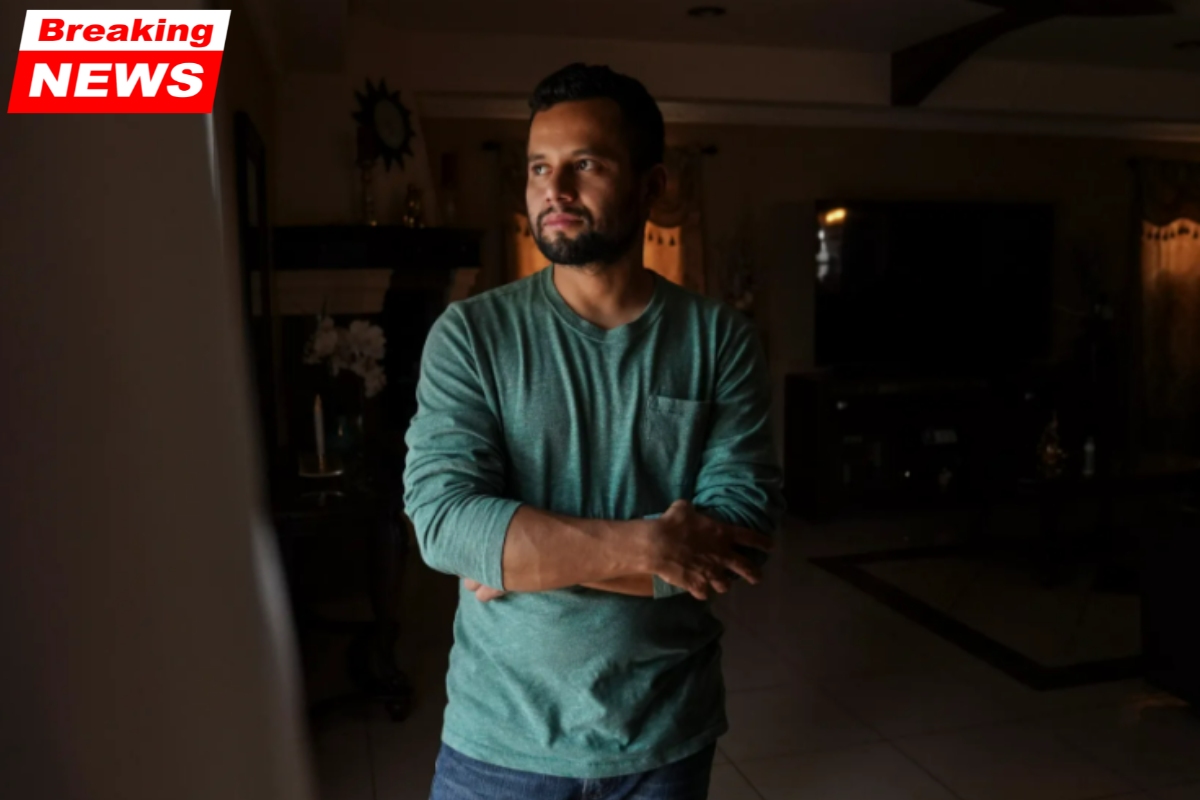
A Texas man protected under the Deferred Action for Childhood Arrivals (DACA) program was deported to Honduras and later returned to the United States after attorneys argued his removal violated federal protections.
The case of José Contreras Díaz has drawn national attention as immigration advocates raise concerns over how DACA recipients are being treated under the Trump administration’s intensified immigration enforcement policies.
Contreras, who was brought to the United States from Honduras as a child, says the experience left him emotionally devastated and fearful that he could again be detained or deported at any moment.
| Key Detail | Information |
|---|---|
| Name | José Contreras Díaz |
| Birth Country | Honduras |
| Immigration Status | DACA recipient |
| Years Under DACA | 12 years |
| Main Issue | Deportation despite DACA protections |
| Returned to U.S. | Yes |
| Current Status | Released but under ICE supervision |
How the Deportation Began
According to reports from The Texas Tribune, Contreras received a letter instructing him to report to immigration officials to discuss his legal status.
Contreras said he complied because, during his 12 years under DACA protection, he had never experienced serious immigration problems before.
However, after arriving for the appointment, immigration agents reportedly detained him and informed him that he had an old deportation order connected to his mother.
The order allegedly dated back decades and involved a missed immigration court appearance.
Despite his DACA status, Contreras was deported to Honduras within days.
Why His Case Is Unusual
What makes Contreras’ case particularly significant is that U.S. Immigration and Customs Enforcement (ICE) later brought him back to Texas after legal challenges were filed on his behalf.
Attorneys argued that deporting a DACA recipient under those circumstances violated existing protections associated with the program.
Three months after his removal, ICE flew Contreras back to Texas.
However, upon returning to the United States, he was again detained by immigration authorities and spent eight more days in detention before finally being released on May 7.
His attorneys and immigration advocates say the case highlights growing uncertainty surrounding DACA protections.
José Contreras Describes Emotional Trauma
Contreras said the deportation and separation from his family caused severe emotional distress.
While stranded in Honduras, he learned that his son, Mateo, had been born in Texas during his absence.
He described finally returning home and holding his newborn son as the moment that helped him survive the ordeal emotionally.
Contreras also spoke openly about the emotional pain he experienced while in Honduras.
According to him, much of his first month there was spent crying and struggling mentally with the uncertainty of his future.
Even after returning to Texas, he says he continues living with constant anxiety that immigration agents could detain him again.
What Is DACA?
Deferred Action for Childhood Arrivals, commonly known as DACA, was created during the Obama administration in 2012.
The program provides temporary protection from deportation for certain undocumented immigrants who were brought to the United States as children before 2007.
Recipients, often referred to as “Dreamers,” can receive work authorization and protection from removal if they meet eligibility requirements.
Current estimates suggest roughly 500,000 people across the United States remain protected under DACA.
However, the program does not provide permanent legal status or a direct pathway to citizenship.
Growing Concerns Over DACA Enforcement
Immigration advocates say recent developments under the Trump administration have increased concerns for DACA recipients nationwide.
According to reports, an administrative appellate court within the Justice Department recently ruled that DACA status alone may not be enough to block deportation.
The decision has created uncertainty for many recipients who believed the program offered stronger protection against removal.
Former Department of Homeland Security Secretary Kristi Noem reportedly informed lawmakers earlier this year that hundreds of DACA recipients had been arrested during immigration enforcement operations.
According to government figures:
- 261 DACA recipients were arrested between January and November 2025
- 86 recipients were deported
- 75 arrests occurred in Texas
Advocates argue these numbers show DACA recipients are increasingly vulnerable despite longstanding protections.
Immigration Debate Intensifies
Contreras’ story has become part of a larger national debate over immigration enforcement, deportation policies and the future of DACA.
Supporters of stronger immigration enforcement argue that deportation orders must still be enforced regardless of temporary protections.
Meanwhile, immigrant rights groups argue that DACA recipients, many of whom have spent most of their lives in the United States, should not face removal over decades-old legal issues tied to parents or guardians.
The case also highlights how legal uncertainty surrounding DACA continues affecting hundreds of thousands of families across the country.
Contreras’ Future Remains Uncertain
Although Contreras has returned to Texas, his legal situation remains unresolved.
According to reports, he must continue regularly reporting to ICE and remains at risk of future deportation.
He says the fear of being separated from his family again now follows him daily.
For Contreras, the experience has permanently changed how he views his future in the United States despite spending most of his life in the country.
The deportation and return of José Contreras Díaz has reignited concerns about the stability of DACA protections under current immigration policies.
While attorneys successfully challenged his removal, the case illustrates the growing uncertainty facing many Dreamers across the United States.
As legal battles over immigration policy continue, DACA recipients like Contreras remain caught between temporary protections and the constant fear of deportation.






