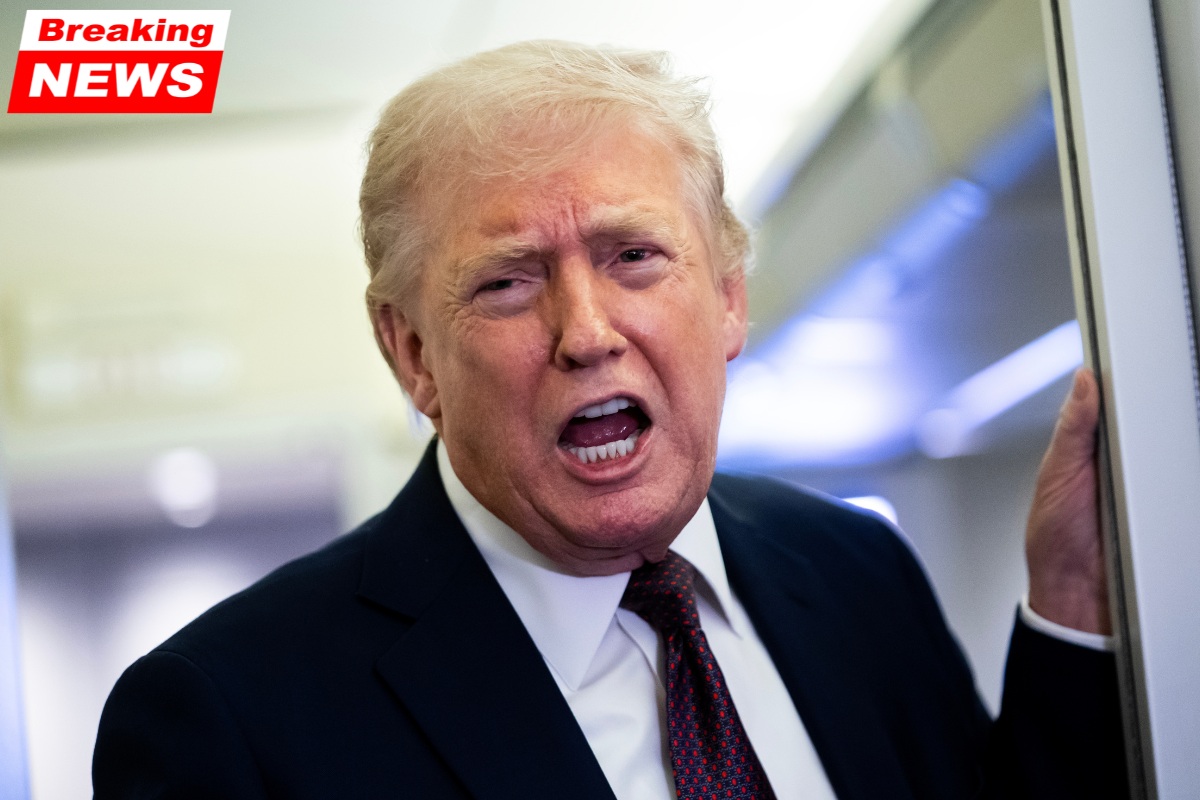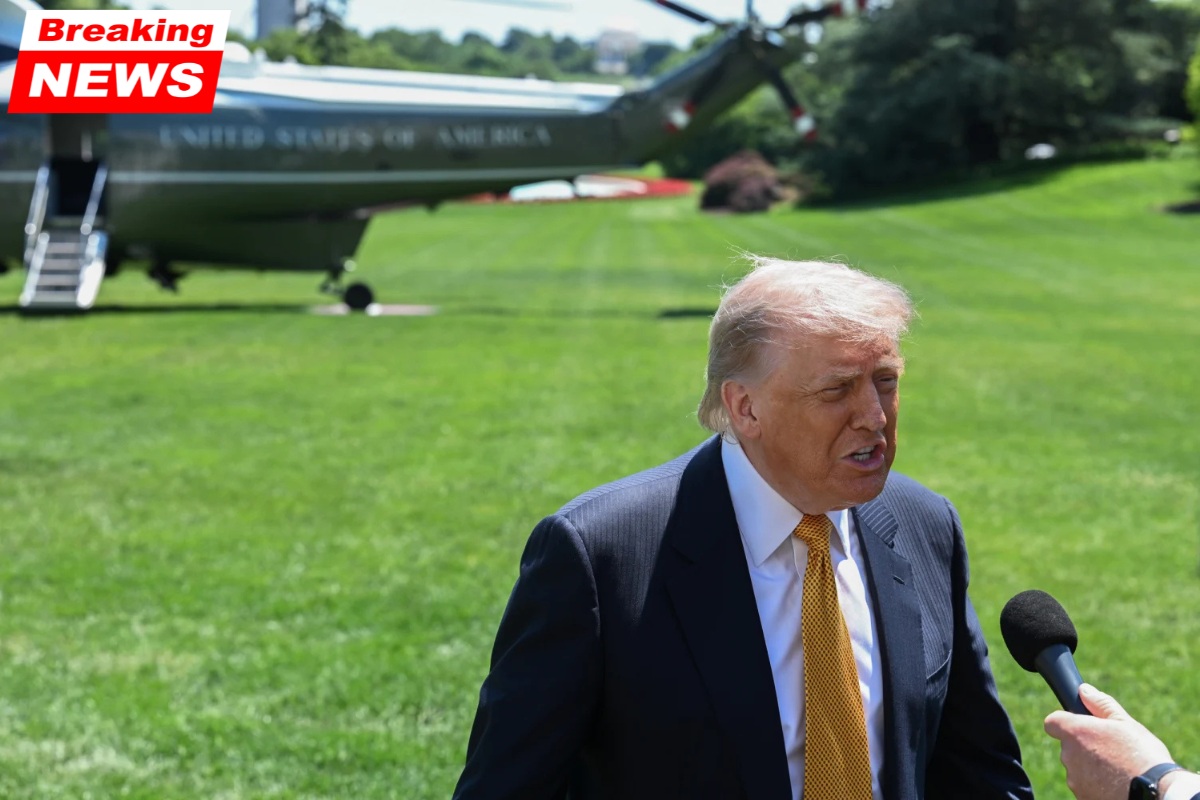
Donald Trump is facing renewed criticism after defending remarks in which he said he does not consider Americans’ financial situations when making foreign policy decisions.
During an interview with Bret Baier that aired after Trump’s summit with Chinese President Xi Jinping, the president insisted his earlier comments were a “perfect statement” and said he would make the same remarks again.
The controversy comes as Americans continue dealing with rising gasoline prices, inflation concerns and growing economic pressure linked to ongoing global tensions involving Iran and energy markets.
| Key Detail | Information |
|---|---|
| Main Figure | Donald Trump |
| Interviewer | Bret Baier |
| Network | Fox News |
| Main Controversy | Comments about Americans’ financial struggles |
| Key Economic Issue | Rising gas prices |
| Current U.S. Average Gas Price | $4.53 per gallon |
| Major Global Factor | Strait of Hormuz tensions |
What Donald Trump Said
Before departing for Beijing earlier this week, Trump was asked whether concerns about Americans’ financial situations influenced his approach toward Iran and efforts to reopen the Strait of Hormuz.
In response, Trump said he was not thinking about Americans’ financial struggles while making foreign policy decisions.
The remarks quickly sparked backlash online and among political commentators, especially as gasoline prices continue climbing nationwide.
During the later Fox News interview, Trump defended the comments and described them as completely appropriate.
According to Trump, Americans may face short-term economic pain due to international tensions, but he argued conditions would eventually improve.
Gas Prices Continue Rising Across the U.S.
The controversy comes during a period of sharply rising fuel costs across the country.
According to recent data from GasBuddy, the national average price for regular gasoline has climbed to approximately $4.53 per gallon.
That represents:
- About $0.40 higher than last month
- More than $1.30 higher than the same time last year
Energy analysts have linked the increases largely to geopolitical instability involving Iran and ongoing disruptions surrounding the Strait of Hormuz.
The Strait of Hormuz remains one of the world’s most critical oil shipping routes, handling roughly 20 percent of global oil transit.
Continued tensions in the region have raised concerns about oil supply disruptions and long-term energy price volatility.
Trump Says Economic Conditions Will Improve
Despite criticism, Trump insisted the economy remains strong overall.
During the Fox News interview, he pointed to stock market performance and employment numbers as evidence that the country is still doing well economically.
Trump argued that supporters upset over higher costs should remain patient because he believes prices will eventually decline.
He also claimed the United States currently has more people employed than at any other point in the nation’s history.
The president repeatedly emphasized that economic growth and market strength should reassure Americans despite temporary increases in fuel and consumer prices.
Inflation Data Adds Pressure
The political debate intensified after the Labor Department released new inflation figures earlier this week.
According to the Consumer Price Index (CPI), inflation rose 3.8 percent compared to the same period last year.
The report also showed:
- A 0.6 percent monthly increase in CPI
- Gasoline prices jumping 5.4 percent in a single month
- Continued increases in food and housing costs
Economists say energy prices remain one of the largest contributors to inflation pressure, especially as international conflicts continue affecting global supply chains and oil transportation.
Supporters Question Trump’s Foreign Policy Promises
During the interview, Bret Baier read statements from some Trump supporters who expressed frustration with the administration’s recent foreign policy decisions.
Several critics argued that Trump previously promised to avoid foreign wars and reduce economic burdens on American families.
Some supporters now worry that military tensions abroad are contributing to rising living costs at home.
Trump responded by arguing that strong leadership sometimes requires difficult short-term sacrifices.
He maintained that his broader economic policies remain successful despite current market instability linked to global conflicts.
Public Frustration Over Cost of Living Grows
A separate public opinion survey released this week reportedly showed that many Americans blame the president for rising fuel prices, food costs and mortgage rates.
The combination of inflation, energy costs and geopolitical uncertainty has increased pressure on the administration as economic concerns become a major political issue heading into future elections.
Political analysts note that fuel prices often have a significant impact on public approval because they directly affect household budgets and daily expenses.
Concerns over affordability continue growing as many Americans struggle with higher transportation, grocery and housing costs.
Iran Conflict and Global Energy Markets
Much of the economic pressure stems from ongoing tensions involving Iran and disruptions affecting global oil markets.
The conflict has complicated efforts to stabilize international energy supplies, especially with restrictions and uncertainty surrounding shipping routes through the Strait of Hormuz.
Analysts warn that continued instability in the region could keep oil prices elevated for months unless diplomatic agreements are reached.
Higher crude oil prices often translate directly into more expensive gasoline, shipping costs and consumer goods worldwide.
Donald Trump’s defense of his controversial remarks about Americans’ financial struggles has added fuel to an already heated debate over inflation, foreign policy and rising living costs.
While Trump argues the country is experiencing temporary economic pain tied to global tensions, critics say his comments appeared dismissive of the financial hardships many Americans currently face.
As gas prices, inflation and international conflicts continue dominating headlines, economic concerns are likely to remain a central issue in national political discussions moving forward.