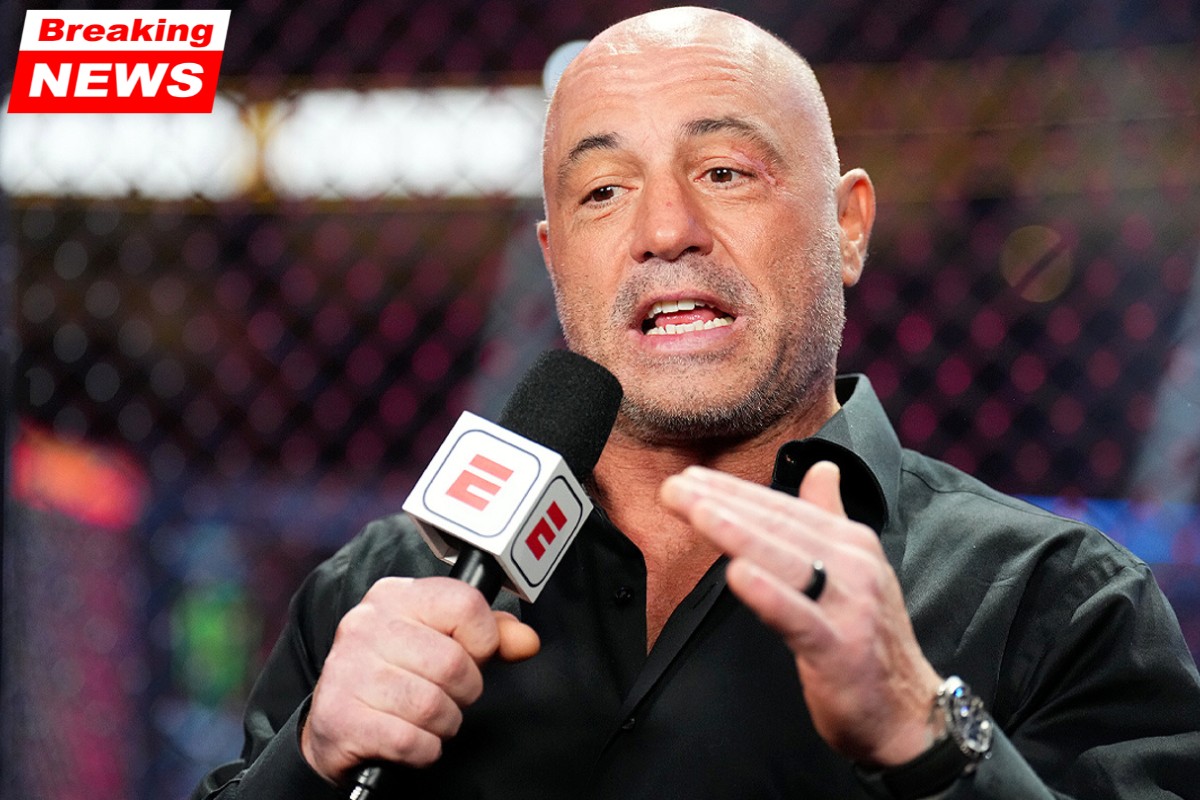
Popular podcast host Joe Rogan criticized TikTok and modern social media culture during a recent episode of “The Joe Rogan Experience,” arguing that online platforms are fueling conspiracy theories among younger Americans.
Rogan made the comments while discussing survey data showing that many Americans either believe at least one assassination attempt against Donald Trump was staged or remain uncertain about what actually happened.
The discussion quickly turned into a broader debate about misinformation, internet culture and the growing distrust many people have toward mainstream narratives and public institutions.
| Key Detail | Information |
|---|---|
| Podcast | The Joe Rogan Experience |
| Host | Joe Rogan |
| Guest | Brendan Schaub |
| Main Topic | Conspiracy theories about Trump assassination attempts |
| Platform Criticized | TikTok |
| Referenced Incident | Butler, Pennsylvania shooting |
| Survey Source | NewsGuard via Washington Post |
Joe Rogan Says TikTok Is ‘Ruining’ People’s Thinking
During the podcast conversation, Rogan strongly criticized TikTok and blamed social media algorithms for spreading misinformation and conspiracy thinking.
Reacting to survey results about public skepticism surrounding assassination attempts against Trump, Rogan said social media platforms are negatively affecting how people process information.
He argued that younger users especially are consuming large amounts of low-quality content online, which contributes to confusion and distrust.
Rogan also compared American TikTok content to what he claimed is shown on Chinese TikTok, suggesting users in China are exposed to more educational and disciplined material.
According to Rogan, social media culture is contributing to what he described as “brain rot” by constantly feeding people emotionally charged or misleading content.
Survey Shows Many Americans Question Trump Assassination Attempts
The discussion was sparked by survey findings reported by The Washington Post and NewsGuard.
According to the report, a significant number of Americans believe at least one assassination attempt against Trump may have been staged.
The survey found that younger respondents between the ages of 18 and 29 were more likely than older Americans to question the authenticity of the incidents.
Political divisions also appeared in the findings. Democratic respondents were more likely than Republicans to believe the events may have been staged.
One of the major incidents discussed during the podcast was the July 2024 shooting at a Trump rally in Butler, Pennsylvania.
Rogan Rejects Claims That Butler Shooting Was Fake
Rogan strongly pushed back against conspiracy theories surrounding the Butler rally shooting.
He argued that anyone familiar with firearms would understand how unrealistic it would be to intentionally stage a near-fatal shooting involving a moving target.
Rogan specifically referenced the death of Corey Comperatore, who died after being struck by gunfire during the attack.
According to Rogan, the fact that an innocent attendee lost his life proves the event was genuine and not orchestrated.
He also mentioned widely circulated photographs showing a bullet passing close to Trump during the incident.
Rogan said those who still believe the event was staged are ignoring clear evidence and real-world consequences.
Brendan Schaub Questions Conspiracy Logic
Comedian Brendan Schaub joined Rogan in criticizing the conspiracy theories.
Schaub questioned why anyone would willingly destroy their own life to participate in a fake assassination plot.
The pair discussed how some conspiracy theories often overlook the severe personal consequences faced by those involved in such incidents.
According to Schaub, it makes little sense for ordinary individuals with careers and families to risk everything simply to help stage a political event.
Their conversation reflected growing frustration among some public figures over the speed at which conspiracy theories spread online.
Questions About the Gunman Continue to Fuel Speculation
Despite rejecting claims that the Butler shooting was staged, Rogan acknowledged that aspects of the investigation still seem unusual to many people.
The podcasters discussed Thomas Matthew Crooks, the man accused of carrying out the attack.
Rogan noted that little public information emerged about Crooks following the shooting, which has fueled speculation online.
He questioned reports suggesting Crooks had minimal social media presence and very little personal material inside his home.
While Rogan did not claim the attack was fake, he suggested the lack of publicly available information has contributed to public suspicion and internet theories.
Social Media and Conspiracy Culture Continue to Grow
The conversation highlights broader concerns about how social media platforms influence public opinion and shape political narratives.
Experts have increasingly warned that platforms like TikTok, X and other algorithm-driven apps can amplify misinformation by prioritizing emotionally engaging content.
Conspiracy theories surrounding political violence, elections and major public events have become increasingly common in recent years.
Analysts say distrust in institutions, combined with constant online exposure to conflicting narratives, has made it easier for misinformation to spread rapidly across social media communities.
At the same time, critics argue that uncertainty and unanswered questions surrounding major events can also encourage public skepticism.
The Butler Shooting Remains a Major Political Flashpoint
The July 2024 Butler rally shooting remains one of the most politically charged events connected to Donald Trump’s presidential campaign.
The attack resulted in the death of Corey Comperatore and injuries to others attending the rally, while Trump narrowly escaped more serious harm.
Since the incident, the shooting has become the subject of widespread online debate, political arguments and conspiracy theories from multiple sides of the political spectrum.
Public discussions surrounding the case continue to reflect growing political polarization and distrust in official narratives.
Joe Rogan’s comments about TikTok and conspiracy culture highlight a larger national conversation about misinformation, social media influence and public trust.
While Rogan strongly rejected claims that the Trump assassination attempts were staged, he also acknowledged why unanswered questions can fuel speculation online.
As political tensions remain high in the United States, debates over conspiracy theories, online algorithms and media credibility are likely to continue shaping public discourse in the years ahead.