The global oil market could be heading toward a major shift as experts warn that the Organization of the Petroleum Exporting Countries (OPEC) may be losing its grip on world energy markets. The recent decision by the United Arab Emirates (UAE) to leave OPEC has sparked speculation that the long-standing oil cartel could eventually weaken or even collapse.
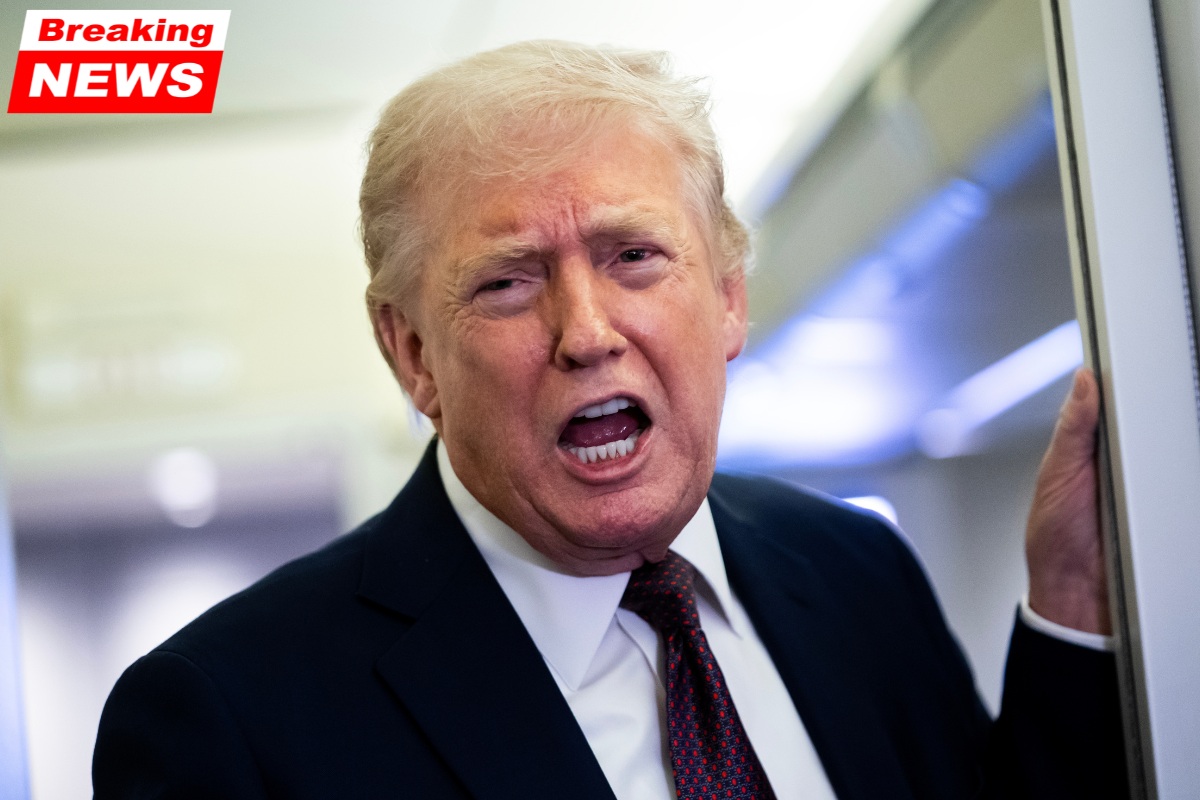
If that happens, analysts believe gasoline prices may fall significantly over time, offering relief to consumers in the United States and other countries. The development is also being viewed as a political and economic win for Donald Trump, who has repeatedly criticized OPEC for artificially keeping oil prices high.
| Key Detail | Information |
|---|---|
| Organization | OPEC |
| Major Development | UAE leaving OPEC and OPEC+ |
| Effective Date | May 1 |
| Potential Impact | Lower gasoline and oil prices |
| Key Supporter of OPEC Criticism | Donald Trump |
| Main Concern | Collapse of coordinated oil production quotas |
| Possible Result | Increased global oil supply |
Why OPEC Matters to Global Oil Prices
Organization of the Petroleum Exporting Countries has long influenced the global oil market by controlling how much oil member nations can produce. By limiting supply, OPEC has historically helped maintain higher crude oil prices.
Higher crude oil prices usually lead to higher gasoline prices for consumers. Critics argue that the cartel’s coordinated production limits unfairly raise energy costs worldwide.
For years, Donald Trump publicly pressured OPEC to increase oil production and lower fuel prices. Trump previously accused the organization of “ripping off the rest of the world” by restricting oil supply while benefiting from higher profits.
Analysts now say the UAE’s departure could weaken OPEC’s ability to maintain strict production controls.
UAE’s Exit Could Trigger a Domino Effect
The biggest recent shock to the organization came when the United Arab Emirates announced it would officially leave OPEC and OPEC+ beginning May 1.
Experts believe the UAE’s move could inspire other countries to reconsider their membership as well. The UAE will reportedly increase oil production from just over three million barrels per day to nearly five million barrels next year after leaving the cartel.
That increase in production could encourage countries like Iraq and Nigeria to seek greater independence from OPEC quotas so they can maximize oil output and revenues.
Phil Flynn, senior market analyst at The PRICE Futures Group, argued that more competition in oil markets would benefit consumers.
According to Flynn, ending coordinated supply restrictions could increase oil availability and eventually lower gasoline prices around the world.
Trump Administration’s Energy Policies Gain Attention
Many analysts view the potential weakening of OPEC as a major geopolitical victory for the Trump administration’s energy strategy.
Trump has consistently pushed for American energy dominance and criticized foreign oil cartels. Supporters argue that reduced OPEC influence could strengthen U.S. energy independence while lowering fuel prices for American drivers.
Flynn also linked recent geopolitical developments involving Iran and the Middle East to broader changes in global energy politics. He claimed that shifting alliances and regional tensions are changing the balance of power in oil markets.
Some analysts believe the UAE is increasingly aligning itself economically and strategically with the United States rather than remaining tied closely to Saudi Arabia’s leadership within OPEC.
Experts Disagree on Whether OPEC Will Collapse
Not all analysts believe OPEC is near collapse.
Saudi geopolitical analyst Salman Al-Ansari argued that OPEC remains strong because it is built on coordination and production capacity rather than symbolic political moves.
According to Al-Ansari, the UAE’s departure may simply be a way to gain leverage and demonstrate independence without seriously threatening the cartel’s future.
He pointed out that OPEC has survived internal disagreements in the past and could continue functioning effectively as long as major producers like Saudi Arabia and Russia remain aligned.
Still, economists note that cartels often struggle over time because member nations have incentives to secretly exceed production quotas in pursuit of higher profits.
Why Oil Cartels Often Struggle to Survive
Pete Earle, director of economics and economic freedom at the American Institute for Economic Research, explained that oil cartels face long-term challenges because member countries frequently want to produce more than their assigned quotas.
This creates tension within the organization and can gradually weaken collective agreements. Over time, repeated violations can reduce trust among members and destabilize the cartel.
Economists say this pattern has historically caused many cartels to collapse after periods of success.
If more countries decide to leave OPEC or increase production independently, the organization’s influence over global oil prices could weaken substantially.
Lower Gas Prices Could Come With Risks
Although lower oil prices would likely benefit consumers, experts warn that the situation could also create new economic challenges.
Lower oil prices may hurt major American energy producers, especially companies that rely on higher crude prices for profitability. However, analysts note that U.S. energy firms have historically adapted well to changing market conditions through innovation and efficiency improvements.
Another concern is price volatility. Without OPEC coordinating production levels, oil prices could fluctuate more sharply based on market conditions, geopolitical events, and supply disruptions.
Countries heavily dependent on oil revenue could also face economic instability if prices fall significantly. Experts specifically pointed to Iraq and Nigeria as nations that may struggle financially if global oil prices remain low for extended periods.
Could Consumers Finally See Cheaper Gas?
Despite uncertainty surrounding OPEC’s future, analysts generally agree that the UAE’s decision could eventually lead to lower gasoline prices.
Bernard Haykel, senior fellow at the Foundation for the Defense of Democracies, predicted that consumers may begin seeing noticeably lower prices within the next year once markets stabilize.
Flynn added that while OPEC may not disappear completely, the organization is no longer as dominant as it once was. He argued that global energy politics have shifted dramatically in recent years, reducing the cartel’s traditional influence.
However, he also warned that Saudi Arabia and Russia still remain powerful forces in global oil markets and should not be underestimated.